REVIEW · CHOCOMUSEO PUERTO VALLARTA
Puerto Vallarta: Bean to Bar Chocolate Workshop
Book on GetYourGuide →Operated by ChocoMuseo Puerto Vallarta · Bookable on GetYourGuide
Chocolate you make, from bean to bar. At ChocoMuseo Puerto Vallarta, you do a true roast-and-grind session with cacao beans and end by molding take-home chocolates plus tasting traditional drinks. I like that it’s hands-on from start to finish, and I also like that you leave with your own creations. One possible drawback: it’s not suitable for wheelchair users.
The museum-style tour is led by an English-speaking cacao and chocolate expert, and I like how guides such as Zoar and Rodrigo keep the experience lively with mixed ages. With a small group limit of 8 participants, you get more attention at your work station and time to ask questions.
For $62, you get a full 2-hour workshop that covers the cacao story, roasting and grinding, and preparing three traditional drinks—plus an apron and hat while you make chocolate. Wear comfortable shoes and clothes, since you’ll be on your feet and leaning in close during the process.
In This Review
- Key highlights to look for
- Entering ChocoMuseo Puerto Vallarta and getting oriented fast
- Cacao history, then real bean work: the roast-and-grind section
- Three traditional chocolate drinks you’ll learn to prepare
- Making and molding your own chocolates to take home
- What you’ll get included (and what you won’t)
- Who this workshop fits best in Puerto Vallarta
- Price and value: is $62 worth it?
- Practical tips so you enjoy every step
- Should you book this bean-to-bar workshop at ChocoMuseo?
- FAQ
- How long is the Puerto Vallarta bean-to-bar chocolate workshop?
- What’s included in the price?
- Is the workshop limited to a small group?
- What language is the workshop taught in?
- Can the workshop accommodate dietary restrictions?
- Is transportation included?
- Is this workshop wheelchair accessible?
Key highlights to look for
- Roast-and-grind cacao hands-on: you work directly with the beans, not just watch it happen
- Three traditional chocolate drinks: you’ll learn recipes and taste what you make
- Molded chocolates to take home: you get to build your own final sweets
- Small group energy (up to 8): easier questions, better pacing, more interaction
- English instruction: built for English-speaking visitors with interactive guidance
Entering ChocoMuseo Puerto Vallarta and getting oriented fast
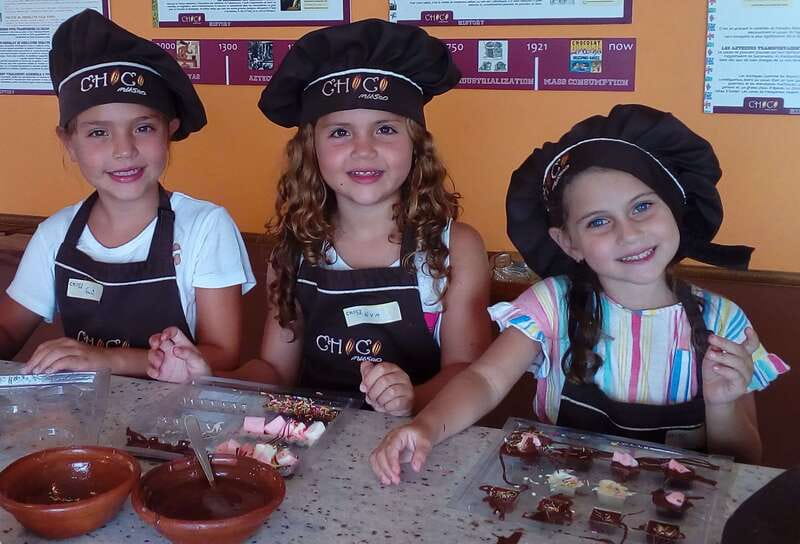
This workshop lives inside ChocoMuseo Puerto Vallarta, where the experience feels part museum visit, part kitchen lab. The start matters. You’re not thrown into chocolate-making with zero context; you get a guide-led museum tour first, so the process makes sense before your hands get involved. Think of it as getting your bearings, then rolling up your sleeves.
I like that the guides don’t treat chocolate like a vague dessert concept. They explain what cacao is, where it comes from, and why it mattered historically. One nice detail from past groups: the instruction tends to be interactive, not lecture-only. Guides like Zoar and Rodrigo are known for keeping the room engaged, even when ages run far apart.
You’ll also see the workshop is designed as a single, focused session. That helps if your time in Puerto Vallarta is tight. Two hours goes quickly when you’re tasting, learning, roasting, and then actually making something you can take away.
You can also read our reviews of more tours and experiences in Chocomuseo Puerto Vallarta.
Cacao history, then real bean work: the roast-and-grind section
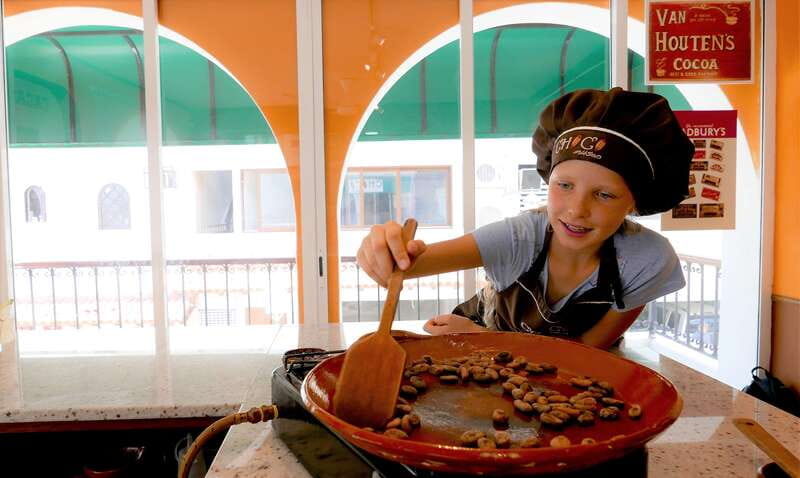
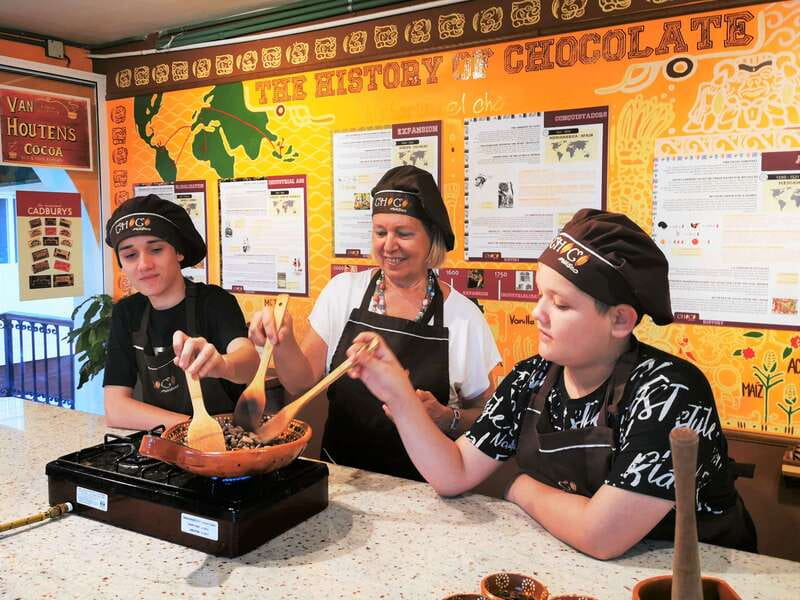
Here’s the heart of the value: the workshop gets practical. You’ll learn the history of cacao and chocolate, then move into the transformation that turns beans into ingredients for drinks and chocolate. And yes, you roast and grind the cocoa beans yourself.
That hands-on part is what makes this different from a chocolate shop tasting. It’s one thing to sip hot chocolate and nod politely. It’s another to roast the beans and understand why texture and flavor change as heat and grinding come into play. You get the cause-and-effect feeling that makes the rest of the class click.
From the drinks portion, the guides often bring in wider cultural context too. One group described it as learning about ancient civilizations while enjoying a chocolate tea. Whether you’re a history fan or not, that storytelling approach helps you understand why cacao shows up in so many regions and traditions.
A small consideration: this isn’t a sit-and-watch activity. If you dislike hands-on food experiences, you might find the standing and working at the station a little intense. Comfortable clothes help a lot.
Three traditional chocolate drinks you’ll learn to prepare
After the cacao story and the bean work, you shift into making. You’ll prepare three traditional chocolate drinks during the workshop, guided step by step. You’re not just tasting flavors; you’re learning how the drinks come together.
One drink gets a special shout-out in reviews: chocolate tea. People describe it as yummy, and you can expect a warm, satisfying cup that helps you connect the bean flavor to what you can actually drink.
Another review mentioned a drink mix with masa. It sounds delicious, but the texture may be an acquired taste for some palates. That’s a good heads-up for you: you’re in a cultural workshop, so you’ll likely try flavors and textures that aren’t identical to what you buy in standard cafes.
Dietary needs can be handled. The workshop can be vegan, vegetarian, gluten-free, and lactose-free. That doesn’t mean every single person will have the exact same ingredients, but it does mean the class is structured to accommodate common restrictions.
If you’re the type who likes to figure out the “why” behind flavor, this part is especially useful. You’ll see how changes in ingredients and prep technique affect how chocolate shows up in a drink, not just in a candy form.
Making and molding your own chocolates to take home
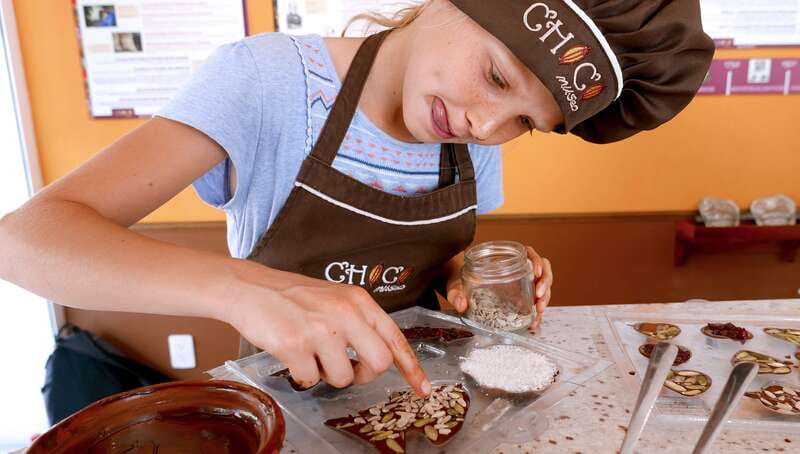
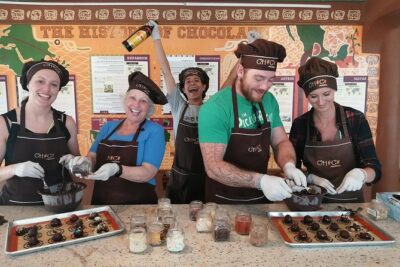
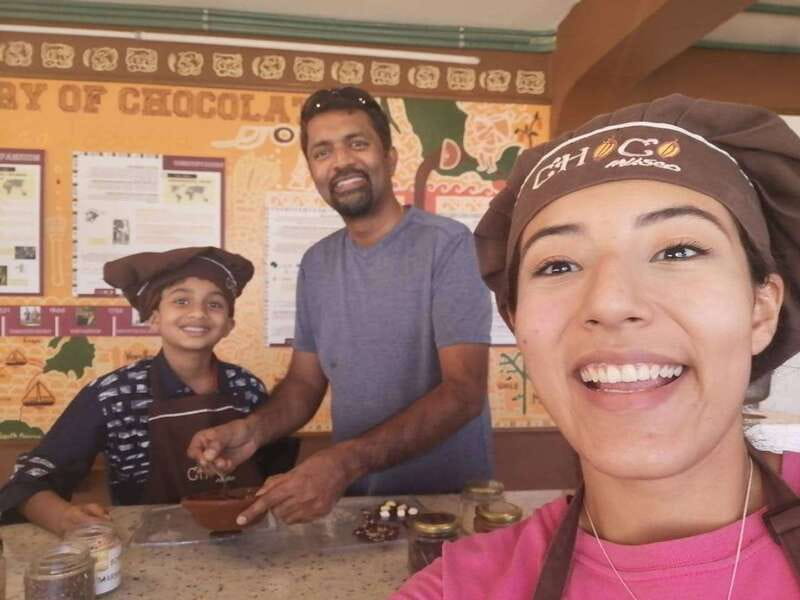
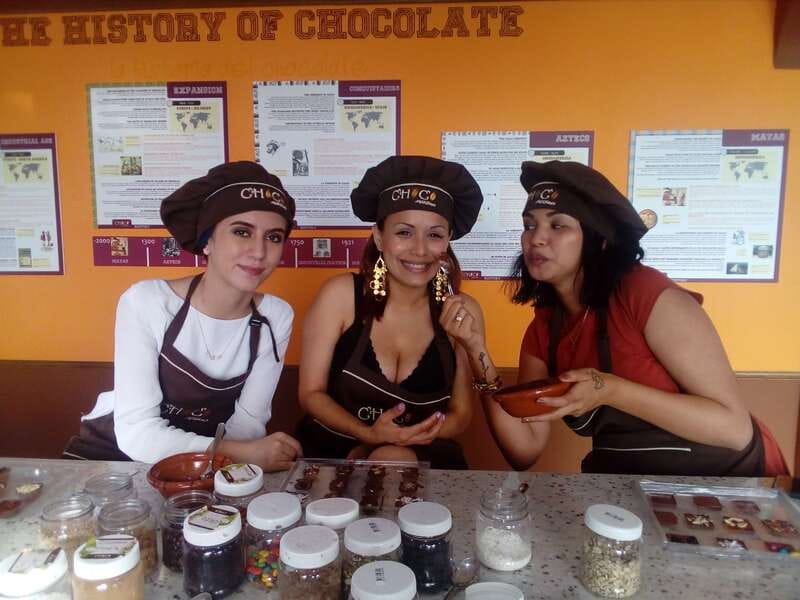
Then comes the part you’ll probably remember most: you make your own chocolate. You’ll get ingredients, materials, and toppings to create your final treats, and you’ll wear an apron and hat during the workshop.
This is where the bean-to-bar idea becomes real. You’re not buying chocolate that’s already finished somewhere else. You’re participating in the process that produces molded sweets. Multiple reviews highlight that the supply you make is generous, and that you can add your own mix-ins for personal creations.
That personalization is a big deal for value. A typical chocolate tasting gives you small samples and maybe a few bites worth of context. This workshop creates an edible souvenir, so your money turns into something you can share at home—or keep for yourself when jet lag hits.
Also, don’t skip tasting during the process. Even if you think you know what chocolate should taste like, the experience of making it changes how you notice sweetness, aroma, and the balance of flavors.
One more practical note: you’ll want to plan how you’ll transport the chocolates after. The workshop provides what you need to make them, but keeping them safe until you’re back in your lodging is still on you.
What you’ll get included (and what you won’t)
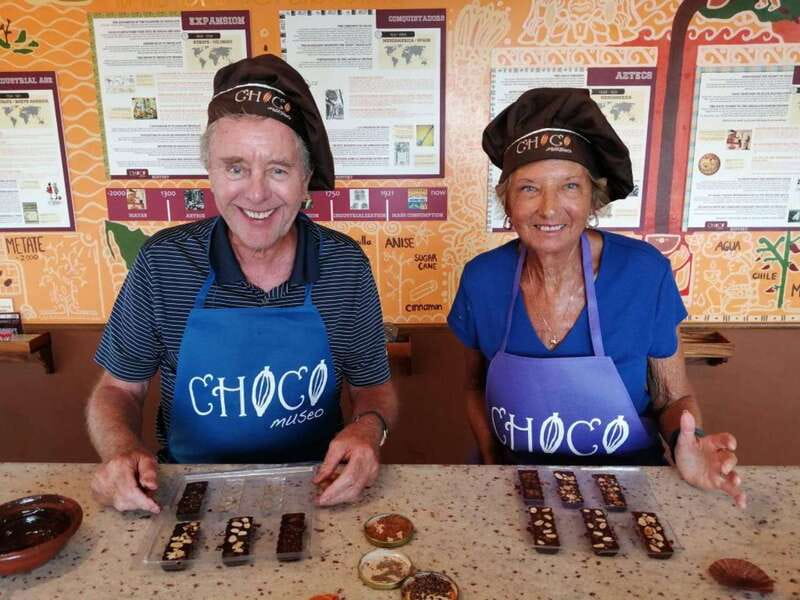
The included package is nicely “all there” for a workshop style class. You get:
- A tour guide within the museum
- A cacao and chocolate expert
- The 3 traditional drinks you prepare
- The chocolate you make
- Ingredients, material, and toppings to make your own chocolates
- An apron and hat for the duration of the workshop
What’s not included is mainly convenience. Food or drinks beyond those workshop drinks are not included, and transportation isn’t included either. So if you’re hungry before the session, plan accordingly. Arriving on an empty stomach can make the tasting portion feel chaotic, especially if you’re also waiting for the roasting and grinding stage.
The upside is that the class itself is self-contained. In two hours, you get a full story, multiple tastes, and a take-home result. That’s the part that makes the price feel less like a ticket and more like a full activity.
Who this workshop fits best in Puerto Vallarta
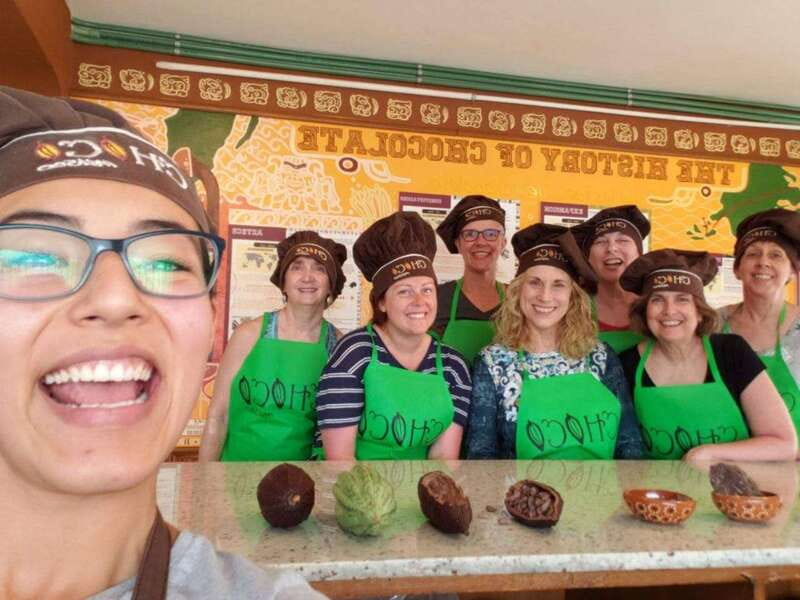
This works well for groups and for families with older kids. One review described a group of 7 ranging from ages 10 to 73, and the guide kept everyone entertained. That suggests the pacing and explanations are designed to be flexible.
It also fits well if you like interactive learning. Reviews mention guides being fun, interactive, and good at keeping attention. If you enjoy asking questions—especially about cacao’s role in culture—this class gives you a place to do that.
If you’re picky about textures, be ready for at least one drink that may feel different from what you expect. The masa-based drink was described as delicious but with an odd texture for one person’s palate. That doesn’t mean it’s unpleasant—just that it’s not trying to mimic Western hot chocolate.
And the clear mismatch: it’s not suitable for wheelchair users. If accessibility is a concern, you’ll want to choose another activity in Puerto Vallarta that matches your needs.
Price and value: is $62 worth it?
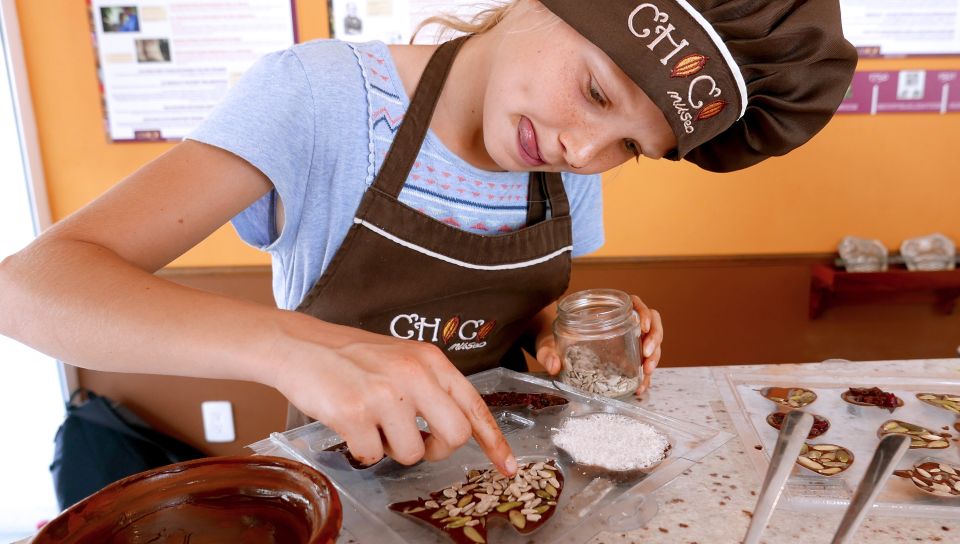
Let’s talk money in plain terms. At $62 per person for 2 hours, you’re paying for more than a tasting flight. You’re paying for:
- A guided museum tour inside the chocolate-focused space
- Roasting and grinding cocoa beans with guidance
- Making and preparing three traditional drinks
- Building and molding chocolates with ingredients and toppings
- Receiving the chocolates you make (so you’re not just consuming during the class)
That last item—actually taking chocolate home—is a big part of the value. You’re getting an experience plus a tangible result. If you’ve ever paid for tours where you leave with photos but not much else, you’ll appreciate what this gives you.
The small group size (limited to 8) also matters for value. You’re more likely to get real help while working, and you’re less likely to feel rushed during the hands-on segments. In a class like this, attention directly affects how well you learn and how good your final chocolates turn out.
Transportation and extra food/drink aren’t included, so budget for that on your own. But inside the workshop window, you’re covered with expert guidance and materials.
Practical tips so you enjoy every step
A few small moves will help you get the most out of the session.
First: arrive on time. The workshop starts at the meeting point, and the schedule is tight for a 2-hour experience.
Second: wear comfortable shoes and clothes. You’ll be working close to the station, and you don’t want to spend the class adjusting sleeves or shifting your weight.
Third: come with a mindset of learning, not just eating. If you focus on what’s happening when beans are roasted and ground, the drinks and chocolate will taste more meaningful.
Fourth: ask questions when you see the guide pause for interaction. The guides running the workshop are known for being fun and responsive, including Rodrigo and Zoar, who are described as interactive and enthusiastic.
Finally: if you have dietary needs, expect accommodations. The workshop can be vegan, vegetarian, gluten-free, and lactose-free. Still, it’s smart to communicate your needs when you book so the team can set you up correctly.
Should you book this bean-to-bar workshop at ChocoMuseo?
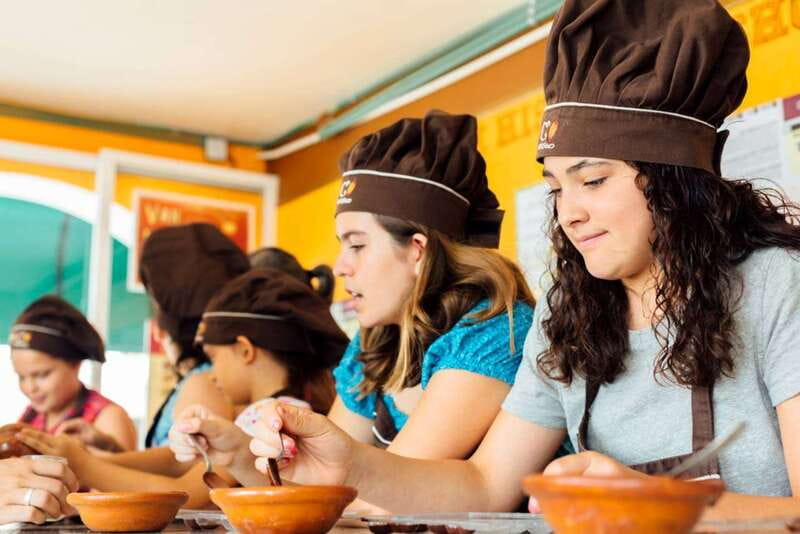
I’d book it if you want a Puerto Vallarta activity that feels hands-on, not performative. The roast-and-grind cacao work, the museum-style context, the three traditional drinks, and the ability to mold chocolates you take home add up to a full experience for the money.
Skip it only if you need wheelchair accessibility or if you strongly prefer a passive experience. This class asks you to participate.
If you’re traveling with a mixed-age group, this is also a strong pick. Reviews highlight the guides keeping energy up across ages, and the class design supports different comfort levels with learning.
Bottom line: for $62 and a two-hour window, you’re buying a guided cultural food lesson with a take-home payoff. If that sounds like your kind of souvenir, ChocoMuseo’s bean-to-bar workshop is an easy yes.
FAQ
How long is the Puerto Vallarta bean-to-bar chocolate workshop?
The workshop lasts 2 hours.
What’s included in the price?
You get a tour guide within the museum, instruction from a cacao and chocolate expert, 3 traditional chocolate drinks you prepare, the chocolate you make, and the ingredients/materials/toppings to create chocolates. You also receive an apron and hat for the duration.
Is the workshop limited to a small group?
Yes. It’s limited to 8 participants.
What language is the workshop taught in?
The instructor provides instruction in English.
Can the workshop accommodate dietary restrictions?
It can be vegan, vegetarian, gluten-free, and lactose-free.
Is transportation included?
No. Transportation is not included.
Is this workshop wheelchair accessible?
No, it is not suitable for wheelchair users.