REVIEW · PUERTO VALLARTA
Stand Up Paddle Boarding Adventure in Puerto Vallarta
Book on Viator →Operated by Vallarta SUP & Adventure · Bookable on Viator
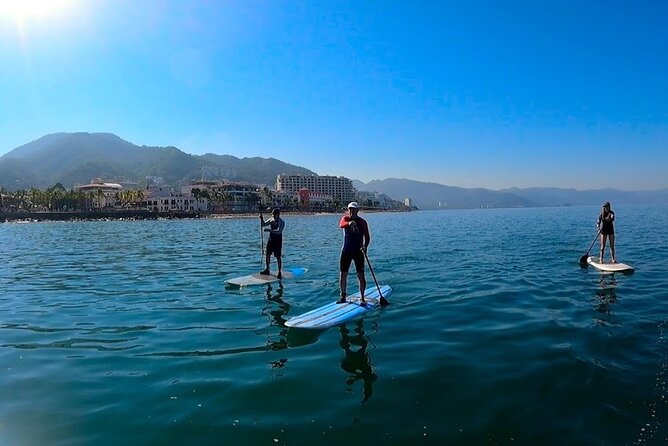
Paddle past Puerto Vallarta’s best landmarks. This 1.5-hour group SUP moves at an easy sightseeing pace, using Malecón boardwalk stops and a float past classic Puerto Vallarta scenes like Los Muertos pier, while your guide shares local info from both land and water.
I love two things most. First, it feels genuinely beginner-friendly: you get patient, clear coaching and stable long boards that help you keep your balance. Second, you’re not stuck “just paddling”—you glide while learning what you’re seeing, including famous landmarks and the bridges and piers that make Puerto Vallarta so photogenic.
One drawback to keep in mind is that water can be choppy. In one case, waves made things harder for beginners, but the guide adjusted with instruction and practice—so I’d aim for calmer conditions when you can.
Key points before you go
- Max 6 people keeps it more hands-on and easier to learn fast
- Boardwalk sightseeing from your paddle at Los Arcos, Río Cuale, and Los Muertos
- Marine life is part of the day (birds, turtles, manta rays, dolphins, when conditions allow)
- Photo support: your guide may take lots of shots and share them after
- Morning sessions can be calmer and are ideal for first-timers chasing sunrise views
- Pack light: don’t bring lots of valuables since there may not be safe storage
In This Review
- What Makes This Puerto Vallarta SUP Different From a Typical Paddle
- Getting Ready: Stable Boards, Clear Coaching, and What to Bring
- Stop 1: The Malecón Boardwalk From the Waterline
- Stop 2: Puente Río Cuale—Turning Landmarks Into a Smooth Paddle
- Stop 3: Puerto Vallarta Coast Views That Explain the City
- Stop 4: Muelle de Playa Los Muertos—Wraparound Views and a Fun Landing
- Wildlife Chances: From Birds to Turtles, Plus That Big-Hearted Hope
- Timing Advice: Sunrise, Calm Water, and When to Ask for a Weather Swap
- Guide Style That Actually Helps: English/Spanish, Photos, and Real Patience
- Group Size, Vibe, and Who This Tour Suits Best
- Logistics in One Look: Meeting Point, Duration, and What to Expect Day-Of
- Should You Book This SUP Adventure in Puerto Vallarta?
- FAQ
- How long is the Stand Up Paddle Boarding adventure?
- Where do I meet for the tour?
- Is the tour offered in English?
- What is the maximum group size?
- Is wildlife viewing part of the experience?
- What happens if the weather is poor?
What Makes This Puerto Vallarta SUP Different From a Typical Paddle
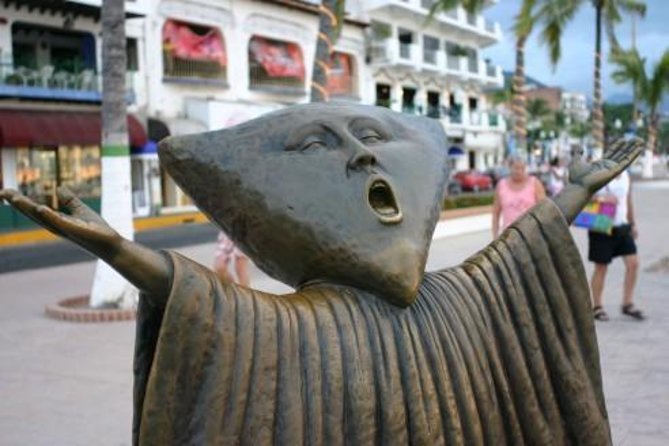
This SUP adventure is built around the idea that Puerto Vallarta is best seen “from the moving side.” Instead of treating the water as the only goal, the plan threads in real landmarks along the Malecón and then links them to the seafront you can only really appreciate once you’re on a board.
The timing matters too. At roughly 1 hour 30 minutes, you’re out long enough to feel like you did something active, but short enough that the day doesn’t spiral into a full production. You’ll also get a guided flow—so even if you’re new, you’re not wandering around trying to figure out the route.
And the vibe is very “practical sightseeing.” You’re walking parts of the boardwalk alongside your paddleboard route, which helps you learn the city in context. That’s a big deal in Puerto Vallarta, where the coast is pretty and the landmarks are spread out.
Getting Ready: Stable Boards, Clear Coaching, and What to Bring
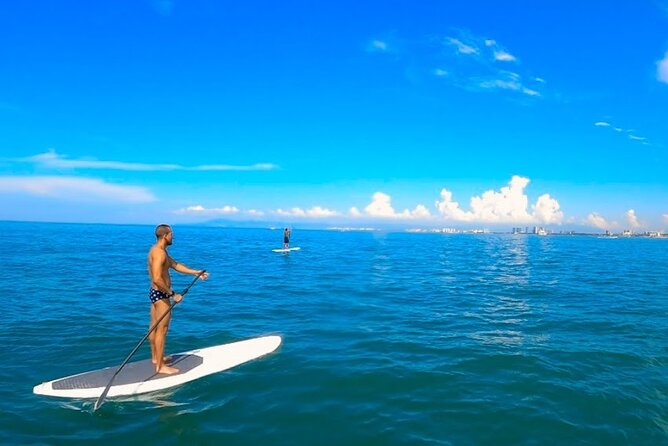
The activity is designed so most people can participate, and that shows in how it’s taught. In the best first-timer experiences, the guide doesn’t rush. They explain how to stand, how to paddle, and how to stay relaxed—especially when you’re still getting used to the balance shift.
Serch is one of the guides associated with high marks for patience. In one beginner-focused session, he took time, explained thoroughly, and helped people gradually get comfortable instead of throwing them into the deep end (literally and figuratively).
Here’s my practical take: treat this like a “learn in public” class. You’ll want to wear something you can move in and that won’t be ruined if it splashes. Also, go light with your belongings. One review specifically noted there isn’t really a safe place to store items like a phone or wallet, so the smarter move is to bring only what you can keep secure without stressing all session.
Two small details that matter:
- Longer, stable boards help beginners find balance faster.
- The guide may speak English and Spanish, so you can follow along even if your Spanish is rusty.
You can also read our reviews of more tours and experiences in Puerto Vallarta
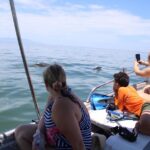
Stop 1: The Malecón Boardwalk From the Waterline
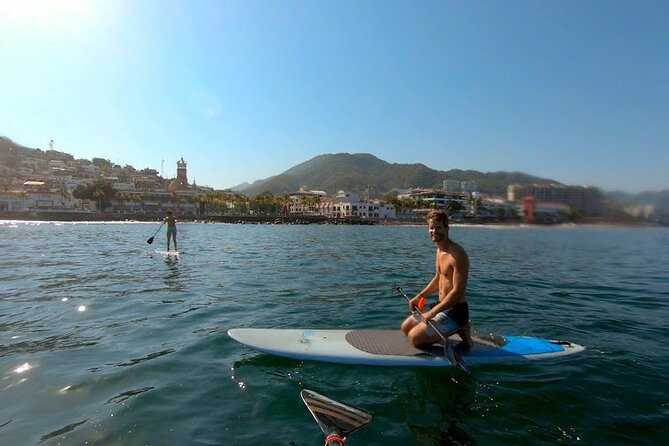
You start in the Malecón area, where the energy of Puerto Vallarta is right there on the ground. The neat twist is that you’re not just getting a view—you’re getting a moving connection between the city and the sea.
At this opening stop, you’ll likely spend time getting settled before you head along the coast. Think of it as your “setup moment.” You learn what the board feels like under your feet, how the paddle engages water, and how to keep your direction.
Why this stop is worth it: the Malecón is where a lot of visitors pass by. From your board, you see it in a new way—more layered, more connected to the coastline, and less like a simple promenade photo spot.
Possible drawback: if you’re prone to motion sensitivity, this first stretch can be the moment your body adjusts. Still, that’s also why the coaching matters at the start.
Stop 2: Puente Río Cuale—Turning Landmarks Into a Smooth Paddle
Next up is Puente Río Cuale, a bridge that instantly gives your brain something to track. Landmarks are helpful when you’re learning, because you can aim your paddle strokes toward something clear instead of just reacting to waves.
This is also where you’ll feel the difference between calm water and rough water. When conditions are friendly, paddling feels like a steady glide and you can concentrate on posture. When it’s choppier, you’ll focus more on balance and shorter, controlled strokes.
If you’re new, don’t get frustrated if your first minutes aren’t silky. One of the strongest beginner impressions described a session with choppy water—but the guide stayed patient and kept instruction slow and clear.
What you’ll likely enjoy most here is the perspective. Bridges and rivers always look different from a boat or board, and Puente Río Cuale is the kind of landmark that looks good in any season, any light.
Stop 3: Puerto Vallarta Coast Views That Explain the City
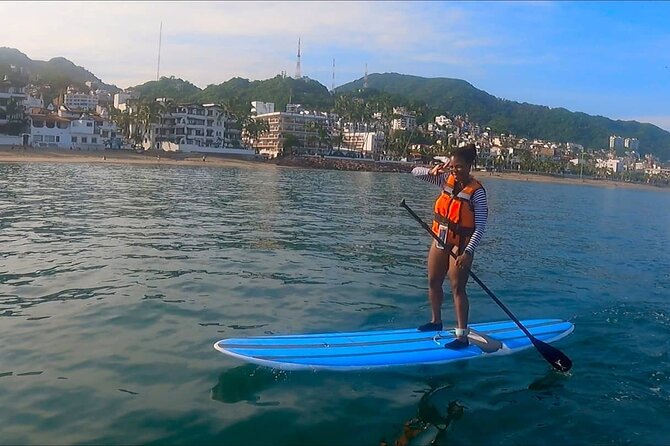
One stop is simply described as Puerto Vallarta, but what that really means on the water is a guided “reading” of the coastline. This is where the guide’s local context makes the route feel like more than a workout.
You should expect commentary on what you’re seeing and why it matters, plus tips that help you paddle more comfortably. In other words, the tour tries to keep you from feeling like you’re just being carried along.
I also like this part because it’s where the city feels most real. You see the coast in motion, not as a fixed postcard. And if you’re the type who likes to understand a place as you move through it, this guided element is a big value.
Stop 4: Muelle de Playa Los Muertos—Wraparound Views and a Fun Landing
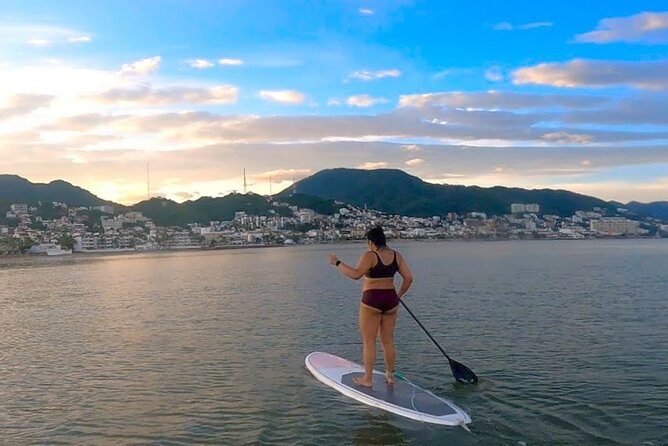
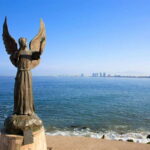
The final landmark stop is the Muelle de Playa Los Muertos. This is the kind of pier that people recognize fast, even if they don’t know the exact name. From a paddleboard, it turns into a visual anchor: you can aim for it, watch how the shoreline curves, and enjoy that “we’re really here” moment when you approach.
This last portion often feels like a reward zone. By now, most people have figured out how to stay steady. Even if you’re not cruising confidently yet, you’re usually past the initial learning hump.
The drawback to plan around is the same as the rest of the coast: water conditions. If the waves are bigger, the approach to a pier can feel more active than you expect. Still, the tour is structured for small groups and instruction, so it’s not a situation where beginners are left to fend for themselves.



Wildlife Chances: From Birds to Turtles, Plus That Big-Hearted Hope
The tour is friendly to marine life, and the plan includes a chance to observe animals in the area—like birds, turtles, manta rays, and dolphins—if luck and conditions line up.
A key truth for you: wildlife sightings are never guaranteed. But the fact that the outing is timed and paced for open-water observation is what makes this more interesting than a straight-up exercise paddle.
One of the standout review moments described seeing whales, which tells you the day can occasionally go from great to unforgettable. Even without whales, you might still spot birds overhead or other signs of marine activity. Treat the wildlife aspect like icing on the cake, not the main promise.
And if you’re hoping to maximize your odds, keep your movements calm and your attention wide. The guide’s instructions will help you avoid sudden splashes or weird board movement, and that’s when animals are more likely to stay comfortable in the area.
Timing Advice: Sunrise, Calm Water, and When to Ask for a Weather Swap
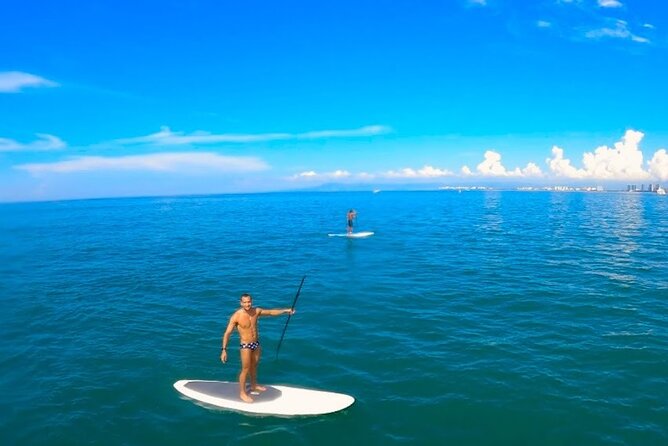
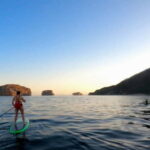
If you can go early, do it. One of the strongest impressions was about enjoying sunrise on the water, plus the added benefit of calmer conditions. Morning light also makes the Malecón and the pier areas look extra cinematic, even if you’re just listening to the guide and not even trying to take photos.
Another review noted a guide was willing to reschedule to a better weather day when waves were smaller. That’s a real plus: it suggests the operation isn’t purely rigid. If conditions would make it miserable, you may get a better slot rather than a forced struggle.
So here’s the practical rule:
- If you’re a beginner, aim for smaller waves and earlier hours when the water is more manageable.
- If you’re comfortable in open water, you can roll with a bit more chop—but still expect coaching.
Also, the activity requires good weather. If the day isn’t right, you should plan for a different date or a refund.
Guide Style That Actually Helps: English/Spanish, Photos, and Real Patience
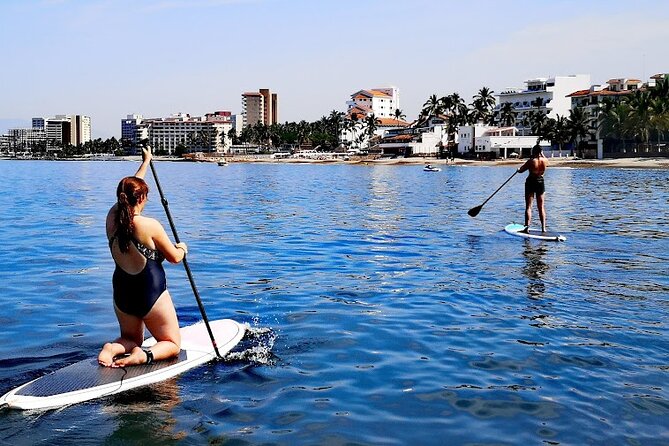
What makes this SUP experience feel worth it is the teaching style. The best moments in the feedback all circle the same theme: guidance that’s patient, friendly, and hands-on, with explanations you can actually use.
Serch comes up in a couple of accounts—one mentioned he was very patient with beginners and explained everything thoroughly. Another noted he handled the experience in English and Spanish, giving tips both in and out of the water. That matters because good paddle technique is partly physical and partly mental.
Photography is another area where this tour can score extra points. In at least one case, the guide took lots of photos and shared them the next day, which is helpful because you’re often looking at where you’re stepping, not filming your own victory stance.
My advice: don’t rely on photos as your only plan. Bring a sense of presence. But if your guide is taking images, you’ll likely end up with a set of memories that you didn’t have to manage during paddling.
Group Size, Vibe, and Who This Tour Suits Best
A maximum of 6 people is a real quality marker. Smaller groups usually mean more attention, easier adjustments, and less waiting around while others figure things out. That’s great for beginners and also nice if you’re traveling solo and don’t want to feel lost.
Language support is also practical. The tour is offered in English, and the guide experience you’ll see in the reviews suggests bilingual communication can help, too.
Who this fits well:
- First-timers who want instruction with a sightseeing route
- People who like their tours to include both exercise and landmark views
- Anyone hoping to see marine wildlife without booking a full-day boat excursion
Who might find it less ideal:
- Folks who need a completely calm, silent paddle with no body learning curve
- People who want to bring lots of valuables and devices (the advice is to keep it light)
Logistics in One Look: Meeting Point, Duration, and What to Expect Day-Of
You meet at Carro Vallarta Paraguay 1290, 5 de Diciembre, 48350 Puerto Vallarta, Jal., Mexico. The start is described as near public transportation, and the activity ends back at the same meeting point, so it’s not a complicated “transfer and hope” situation.
Plan for about 1 hour 30 minutes. That’s short enough that you can add it to a busy day, but long enough that it should still leave you feeling properly active.
You’ll also want confirmation at booking, and you’ll use a mobile ticket. Service animals are allowed, and most people can participate.
Should You Book This SUP Adventure in Puerto Vallarta?
I’d book this if you want a guided SUP that treats Puerto Vallarta like a place to learn—not just something to look at from shore. The combination of small group size, a landmark route (Malecón, Río Cuale bridge, and Los Muertos pier), and real beginner coaching makes it a smart choice for most skill levels.
Skip it only if you know you’re uncomfortable with choppier water and you can’t handle any learning curve. And if you do book, come ready to pack light and follow the guide’s instructions closely. That’s where the experience turns from stressful to fun fast.
If you want a SUP day that mixes landmarks with wildlife chances and a calm, teach-first approach, this is a solid bet.
FAQ
How long is the Stand Up Paddle Boarding adventure?
It runs for about 1 hour 30 minutes (approx.).
Where do I meet for the tour?
The meeting point is Carro Vallarta Paraguay 1290, 5 de Diciembre, 48350 Puerto Vallarta, Jal., Mexico, and the activity ends back at the same location.
Is the tour offered in English?
Yes. The experience is offered in English.
What is the maximum group size?
This activity has a maximum of 6 travelers.
Is wildlife viewing part of the experience?
Yes. The tour is designed to be friendly with marine fauna, and you may have chances to observe animals such as birds, turtles, manta rays, and dolphins (depending on conditions).
What happens if the weather is poor?
This experience requires good weather. If it’s canceled due to poor weather, you’ll be offered a different date or a full refund.