REVIEW · PUERTO VALLARTA
Tandem Skydive in Puerto Vallarta With Beach Landing
Book on Viator →Operated by FLY Skydive Puerto Vallarta · Bookable on Viator
Puerto Vallarta goes full adrenaline with a tandem jump over the ocean. This experience is interesting because you get a scenic airplane tour first, then the freefall, and finally a soft beach landing that brings the rush right back down to earth. I love how the whole thing is built around clear guidance from the moment you arrive, and I also like that the operation emphasizes USPA-certified instructors and well-maintained gear.
The main thing to watch is the weight limit and extra charges. You must be under 243 lbs, and if you’re over 85 kg there are weight surcharges, so it’s worth checking that math before you book.
In This Review
- Key Points I’d Highlight Before You Jump
- From Check-In to Harness: The Safety Moment That Sets the Tone
- The Cessna 182 Flight Over Puerto Vallarta: Views First, Noise Later
- The Jump at 10,000 Feet: Freefall About 45 Seconds
- Parachute Time and the Beach Landing: The Part You’ll Remember Most
- Instructors, Gear, and the USPA Factor
- Price and Value at $390.27: What You’re Really Paying For
- Timing, Weather, and How to Plan Your Day
- Who Should Book This Tandem Skydive (and Who Might Rethink It)
- Should You Book Tandem Skydive in Puerto Vallarta with Beach Landing?
- FAQ
- How long does the tandem skydive experience take?
- What happens during the safety training and harness fitting?
- How high do you jump, and what are the freefall and parachute times?
- Where do you land?
- What are the weight limits and surcharges?
- Are instructors certified, and is the drop zone USPA certified?
- What if the experience is canceled due to weather?
Key Points I’d Highlight Before You Jump
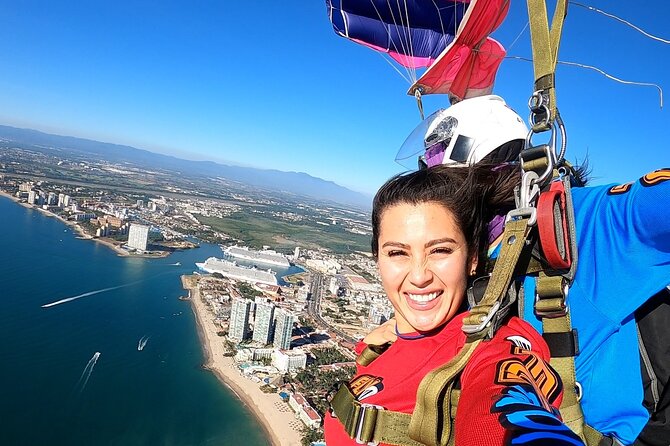
- Beach landing on Playa del Holi: you don’t just “land somewhere,” you land on a beach setting.
- Cessna 182 scenic flight: you get a 25-minute ride with ocean and mountain views before the jump.
- 10,000-foot tandem skydive: freefall is about 45 seconds, then the canopy ride runs roughly 7–8 minutes.
- USPA-certified instruction: the program lists USPA-certified instructors with thousands of jumps, including a tandem master with 7000+.
- Private experience for your group: only your group participates, so you’re not mixed into strangers.
From Check-In to Harness: The Safety Moment That Sets the Tone
You start with the part that matters most: getting ready to fly safely. You’ll attend a safety class and get fitted to a harness that connects you to your instructor and the parachute system. The program notes a safety class of about 10 minutes, and the overall build-up to the jump includes a short training session before you board, so plan for at least a half hour of pre-jump time once you arrive.
This is the stage where I pay attention to how calm the team is. With tandem skydiving, you’re not trying to remember complex steps mid-air. You’re looking for an instructor who can explain what you’ll feel and what you’ll do, and then actually makes it simple when it’s time. The most praised part of this experience is exactly that: people say the team makes them feel totally comfortable, with guidance that’s steady from briefing to flight.
Also, don’t ignore the weight rules. You’re working with real equipment limits, not “marketing math.” The cap is 243 lbs. And if you’re over 85 kg, the booking notes weight surcharges apply (including a rate listed as 70 MXN per kilo over 85 kg). If you’re in that zone, confirm your final price early so you’re not surprised later.
You can also read our reviews of more tours and experiences in Puerto Vallarta.

The Cessna 182 Flight Over Puerto Vallarta: Views First, Noise Later
Before the jump, you board a Cessna 182. Then you get a scenic airplane tour that lasts about 25 minutes, climbing toward the 10,000-foot mark. This is one of the smartest parts of the day, because it’s where your brain catches up.
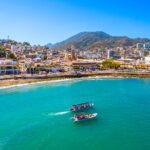
From up high, Puerto Vallarta’s coastline and the surrounding mountains look very different than they do from street level. Even if you’re nervous, you can use the flight as a mental buffer: you’ll see the ocean, you’ll get your bearings, and you’ll notice the coastline that you’ll land near later. The program also positions this flight as a “see the spectacular ocean and mountain views” moment, which matters because beach landings feel more satisfying when you know what you’re flying toward.
A practical tip: if you’re prone to motion sickness, consider how you feel on boats and curvy roads. Planes usually vary by person, but it’s still smart to come prepared. Bring what you can for comfort because you’ll be in the elements once you’re geared up.
The Jump at 10,000 Feet: Freefall About 45 Seconds
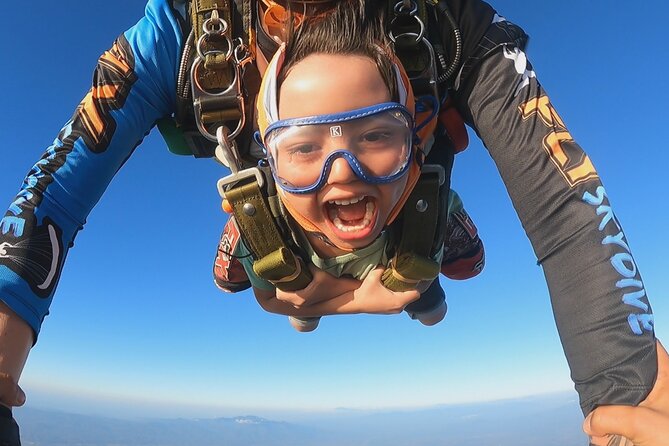
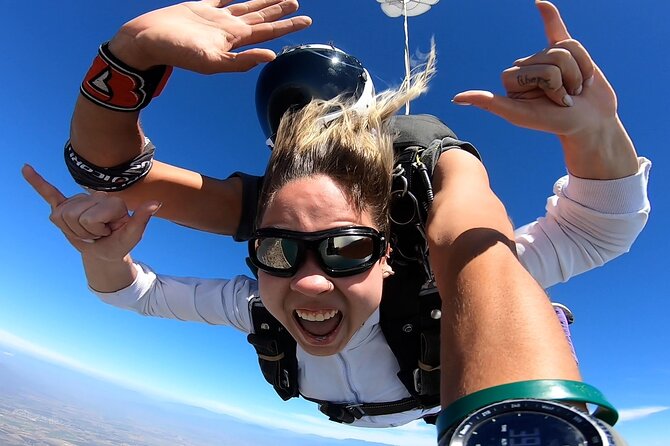
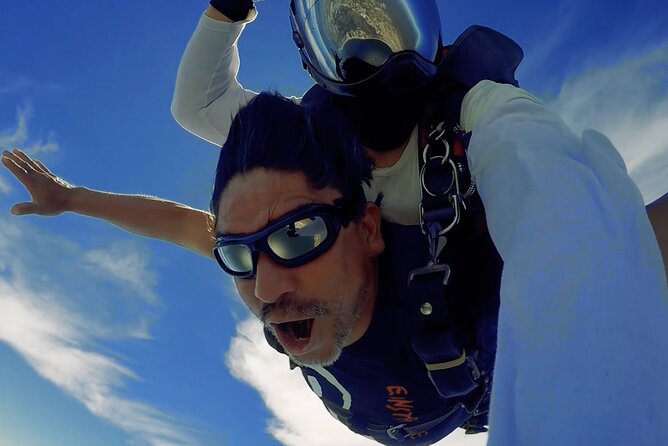
Once you’re at altitude, you and your instructor exit the plane. You’ll begin freefall, described as about 45 seconds, with speeds around 200 km/h during that phase. In plain terms: it’s fast, it’s loud, and it’s brief.
The key is that you’re in tandem, so you’re not operating anything. Your instructor is. Your job is mostly to breathe, hold on as instructed, and follow cues. People who love this experience tend to talk about how the jump feels manageable because the team’s instructions reduce the fear of the unknown. That same vibe shows up in the positive comments, including one that specifically praised the guidance and calm presence of Marcos and Base.
What you should expect to feel in freefall:
- a sudden drop that flips your sense of time (45 seconds can feel longer)
- strong wind pressure that makes your body go “this is real”
- excitement after the initial jolt, especially once you stop fighting the sensation
Then, as altitude drops to around 5,500 feet, your instructor deploys the parachute.
Parachute Time and the Beach Landing: The Part You’ll Remember Most
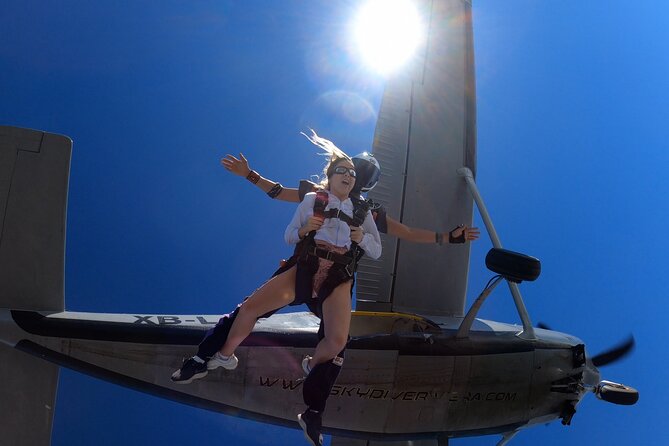
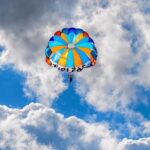
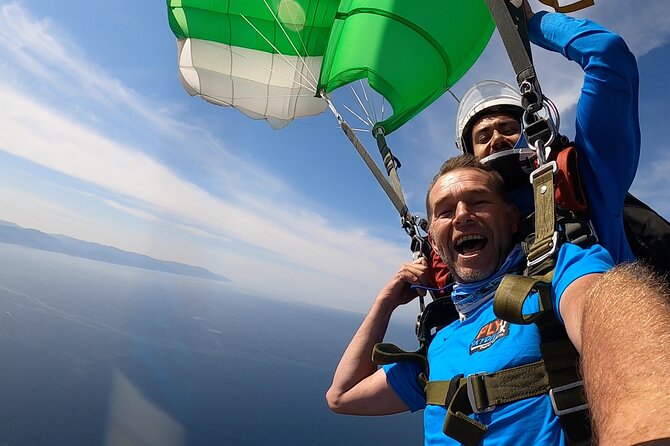
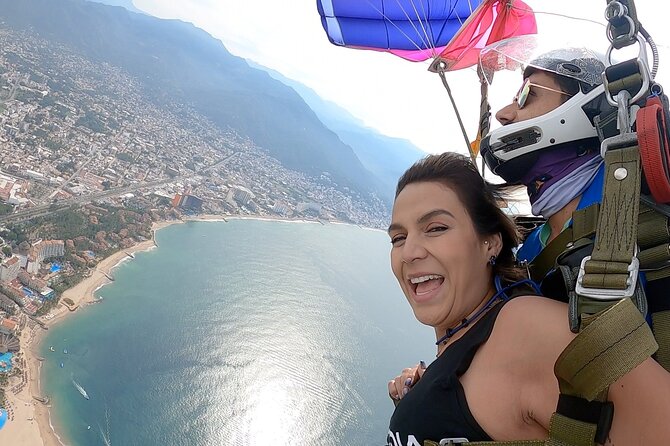
After freefall, the canopy opens. The program lists a parachute ride for about 7–8 minutes as you take in some of the best views of Puerto Vallarta. This is where the experience stops being pure adrenaline and starts becoming scenery. The speed eases down, the wind shifts, and you have a clear look at what’s below.
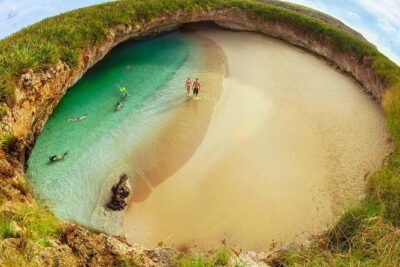
Then comes the landing: a soft landing on the beach at Playa del Holi. A beach landing is not just a scenic bonus; it changes how the whole experience feels emotionally. Instead of ending with a distant field or a generic patch of ground, you finish with sand and shoreline. It turns “I survived skydiving” into “I watched myself return to the coast.”
If you’re planning photos, think about timing. The freefall moment is the most dramatic, but your best stable photo chances are usually during the canopy phase when you have smoother air and less frantic body movement. If you have a phone, make sure you’re following whatever gear and handling rules the team sets that day.
Instructors, Gear, and the USPA Factor
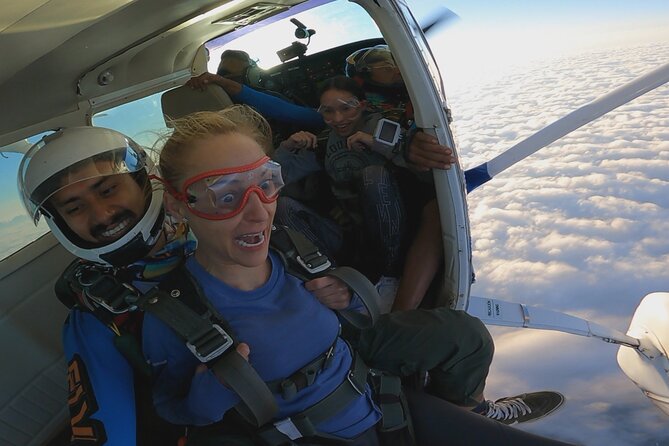
The safety pitch here is not vague. The program states that instructors are certified by the USPA (United States Parachute Association), with a minimum experience level listed as 2500+ skydives for instructors. It also notes that the most experienced tandem master has 7000+ skydives.
It’s also clear about equipment philosophy: they say they use advanced tandem parachute equipment and invest in maintenance of aircraft and gear. For you, the value is simple: you’re trusting a system that’s maintained and run with experienced people, not improvisation.
One extra detail that can matter for confidence: the operator says they hold the distinction of being the only USPA certified drop zone in Puerto Vallarta. Even if you don’t chase certifications in your everyday life, that’s the kind of detail that can reduce uncertainty right when you’re about to board a plane.
There is one cautionary note from a negative review: someone claimed a mismatch between what was paid for and what was received, and the provider responded asking for details. I can’t verify anyone’s claim from here, but it does suggest a good habit: before you go, double-check that your booking includes what you expect (like the safety class, flight, and beach landing, not just the jump).

Price and Value at $390.27: What You’re Really Paying For
At $390.27 per person, this is not a budget thrill. It’s priced like a full tandem operation, and the value comes from what’s included in the skydiving package, not just the “jump” itself.
What you’re getting for the price:
- tandem parachute equipment and an instructor connection
- a safety class
- a scenic airplane flight up to 10,000 feet
- a soft beach landing setup
Compare that to experiences that advertise only the jump time. Here, the day includes a proper scenic flight and real parachute time (freefall plus canopy). When you spread the cost across all phases—training, aircraft time, jump, parachute flight, and landing—$390.27 starts to make more sense as a “full event,” not a quick impulse.
The only potential value hit is if you end up paying a weight surcharge. Over 85 kg, surcharges apply, with the rate given as 70 MXN per kilo over 85 kg. If you’re close to the threshold, a small difference in your weight can mean a meaningful cost change. That’s the moment to do the math early.
Timing, Weather, and How to Plan Your Day
This is weather-dependent in a real way. The booking info says the experience requires good weather; if it’s canceled due to poor weather, you’ll be offered a different date or a full refund.
That means you should avoid booking this as your only “must-do” that day. Build in buffer time. If you’re traveling with a tight schedule, consider booking early in your trip so weather delays have room to be solved.
The stated opening hours are 9:00 AM to 5:00 PM, and the tour itself is listed at about 2 hours (approx.). That’s a helpful estimate, but it’s smart to remember you’re dealing with check-in, gear, training, and waiting for the right conditions. The closer you are to the middle of the day (when conditions often stabilize), the easier it can be to manage. Still, follow their guidance on the day—skydiving doesn’t care about your timeline.
The experience uses a mobile ticket, and the meeting point is FLY Skydive Puerto Vallarta, Plaza Marina, Local A-41, Clínica Dental Plaza Marina, Av. Francisco Medina Ascencio S/N, Marina Vallarta, 48335 Puerto Vallarta, Jal., Mexico. It ends back at the meeting point.
Who Should Book This Tandem Skydive (and Who Might Rethink It)
This experience fits you if you want a full-sensory adventure without handling the hard parts. Tandem skydiving is ideal when you want the thrill but don’t want to learn to skydive solo.
You’ll likely enjoy it even more if you like the idea of finishing with a beach landing. Puerto Vallarta’s setting makes the canopy ride feel like more than just a controlled descent. You get views in both the plane and under the parachute.
You might rethink it if:
- you’re over the 243 lb limit
- you’re over 85 kg and the surcharges would strain your budget
- you’re arriving with no flexibility for weather changes
If you’re nervous, that’s normal. One of the strongest themes in the positive feedback is that the team makes people feel comfortable. The named instructor references (like Marcos and Base) also suggest the experience depends on the quality of guidance, and this setup puts instruction front and center.
Should You Book Tandem Skydive in Puerto Vallarta with Beach Landing?
If you’re looking for a classic, confidence-focused tandem skydive with real scenic time and a memorable finish, I’d say this is a strong pick. The combination of the Cessna flight, 10,000-foot jump, a meaningful freefall (around 45 seconds), a 7–8 minute canopy ride, and a soft beach landing is the kind of package that feels complete.
Book it if your schedule can handle weather and you’re comfortable with the weight rules and possible surcharges. Consider double-checking inclusions before you go, especially since one negative review raised a question about matching the purchase to what was delivered, and the provider asked for details to resolve it.
FAQ
How long does the tandem skydive experience take?
It’s listed as about 2 hours (approx.), including the safety class, harness setup, flight time, jump, parachute ride, and landing.
What happens during the safety training and harness fitting?
You’ll take a safety class and be fitted to a harness that connects you to your instructor and the parachute system.
How high do you jump, and what are the freefall and parachute times?
You jump from 10,000 feet. Freefall is described as about 45 seconds, and the parachute ride is described as roughly 7–8 minutes.
Where do you land?
You land softly on the beach in Puerto Vallarta at Playa del Holi.
What are the weight limits and surcharges?
There is a 243 lbs weight limit. Weight surcharges apply if you’re over 85 kg, with the rate listed as 70 MXN per kilo for the amount over 85 kg.
Are instructors certified, and is the drop zone USPA certified?
The program states instructors are USPA certified and have extensive skydiving experience. It also states the drop zone is the only USPA certified drop zone in Puerto Vallarta.
What if the experience is canceled due to weather?
The experience requires good weather. If it’s canceled due to poor weather, you’ll be offered a different date or a full refund. You can also cancel for free up to 24 hours in advance for a full refund.