REVIEW · PUERTO VALLARTA
Desembocada and Ameca River Bird Paradise (Wetland and Tropical birds in PV)
Book on Viator →Operated by ECOTOURS VALLARTA · Bookable on Viator
Early mornings pay off in birds.
This Puerto Vallarta birding outing turns the Desembocada and Ameca River wetland systems into your classroom, with a biologist guide and the real promise of nearly 350 bird species across mangroves and river habitats. I love that it’s not just “spot and go.” The guide helps you learn how to notice birds—by behavior, markings, and sound—so the day sticks with you long after you’re back in town.
My other favorite part is the small-group feel. With a maximum of 8 travelers, it stays calm enough to scan properly, ask questions, and adjust when a good call suddenly pops up. You’ll also get a practical birding rhythm: move when it makes sense, pause long enough to look closely, then end with a checklist-style recap that helps you remember what you actually saw.
One consideration: you start early (6:45am) and you’ll be on your feet. Wear walking shoes, and if you have knee issues, this may not be the best match.
In This Review
- Key highlights you’ll feel fast
- Desembocada and the Ameca River: where birds make sense
- Morning logistics: 6:45am start and air-conditioned comfort
- Playa Boca de Tomates: why your first stop feels like a warm-up that matters
- Wetlands, mangroves, and what “350 species” means in the real world
- The wildlife bonus: American Crocodile odds without the chaos
- How the biologist guide helps you spot birds faster
- The pace and the stops: lots of productive time, not endless driving
- What’s included (and what you should plan to bring)
- Who this Puerto Vallarta bird paradise fits best
- Guides and sightings: what tends to impress people
- Price and value: what you’re really paying for
- Should you book this birding tour or skip it?
- FAQ
- What time does the birding tour start in Puerto Vallarta?
- Where do we meet for Desembocada and Ameca River Bird Paradise?
- What’s included during the tour?
- Is lunch included?
- How old do you need to be to join?
- What should I know about cancellations and weather?
Key highlights you’ll feel fast
- Biologist-led birding focused on real identification skills, not just sightseeing
- Desembocada + Ameca River wetlands with mangroves and water-edge habitats in one outing
- American Crocodile possibility alongside tropical birdlife
- Scopes and bird-list support so you can confirm sightings and log them later
- Small group size (max 8) for easier spotting and more time per stop
- Snacks, water, coffee/tea included to keep you going through the morning
Desembocada and the Ameca River: where birds make sense
Puerto Vallarta’s coastal area can look pretty from the road. This trip takes you past the pretty and into the working part of the ecosystem. The Desembocada and Ameca River regions sit in wetland and tropical bird habitat—mangroves, river edges, and low marshy zones where birds show up for food and shelter.
That matters, because birding is mostly timing and habitat. If the habitat is right, the birds don’t need a lot of searching. You just need eyes, patience, and a guide who knows the local patterns.
The big headline here is species count: the area is described as home to nearly 350 bird species across varied ecosystems. That’s not a guarantee you’ll see all of that in 7 hours. But it does tell you the place is productive, and the guide is likely to move you between the “right” micro-habitats during peak activity.
You’ll also hear about the American Crocodile—one of those wildlife moments birders talk about because it’s rare and awe-inspiring. You’re not going to go chasing anything. The value is that the trip operates in the same ecosystems crocodiles use, while keeping your focus on birds and safe viewing.
You can also read our reviews of more tours and experiences in Puerto Vallarta.


Morning logistics: 6:45am start and air-conditioned comfort
You meet at Ecotours Vallarta / Dive Shop Proa 20, Marina Vallarta (48335). The tour starts at 6:45am, and the day runs about 7 hours total, ending back at the meeting point.
Here’s why that early start matters: birds feed and call most actively in the morning. Late starts often mean fewer birds visible and more time waiting for the day to warm up. Starting early also helps you dodge the heavier mid-day heat you’ll feel around coastal wetlands.
Transport is by air-conditioned van, which makes a difference. Birding days include lots of stop-and-go scanning, and a cool ride helps you stay alert instead of dragging yourself through the morning.
This tour is offered in English and uses a mobile ticket. It’s also set up for people who can handle a walking-focused morning. You’re close to public transportation, but since pickup isn’t specifically described as hotel-to-hotel, it’s smart to plan how you’ll reach the marina area on time.
Playa Boca de Tomates: why your first stop feels like a warm-up that matters
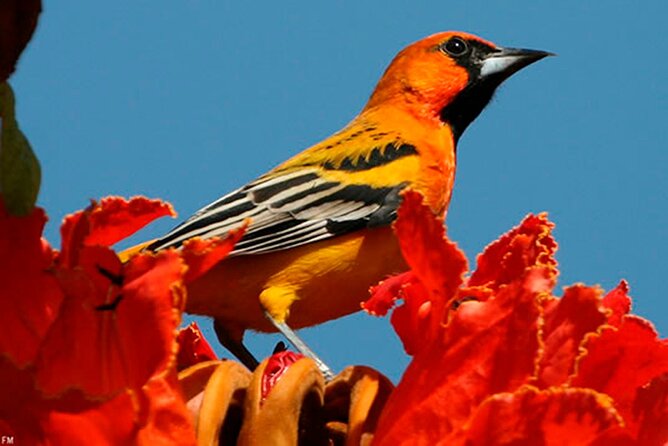
Your itinerary begins with a stop at Playa Boca de Tomates. Even without a long explanation of the exact bird list for this specific beach segment, you can think of this as a critical warm-up: you’re arriving at a productive coastal zone while the light is good and birds are more active.
Beaches and water edges often produce the “mixed bag” feeling birders love—shore-adjacent birds, small tropical species that move through along the boundary, and occasional raptors using open space for hunting. This is also the moment your guide typically starts setting the tone: how you should scan, what calls to listen for, and how to use binoculars or a scope efficiently.
A practical tip: at your first stop, don’t rush. The first 10–15 minutes usually teach you how the area “talks.” Once you understand the local sound cues, the rest of the day becomes much easier.
Wetlands, mangroves, and what “350 species” means in the real world
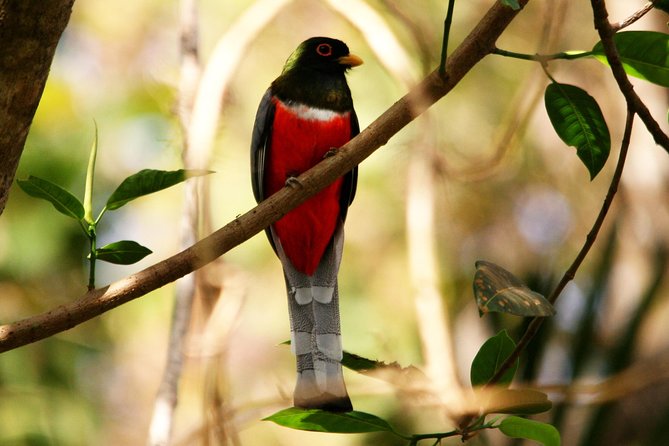
The heart of the day is birding across the Desembocada and Ameca River wetland and tropical habitats. In plain terms, this is where the birds live “on schedule.” Mangroves and river edges concentrate insects, fruit, and small prey. That pulls in the insect-eaters and the higher predators that follow them.
So how do you turn that habitat into real sightings? Your guide’s job is to match birds to places and behaviors. You’ll likely spend time looking at:
- Edge habitats where birds transition between water, vegetation, and open mud/shore zones
- Mangrove areas where birds can perch low, hop through branches, or stay hidden until they call
- River-side watching where birds move along predictable corridors
One of the most praised parts of this outing is the way guides identify birds. In past days, guides like Michael and Cynthia have been praised for spotting birds early—sometimes by call before they were visible—and for helping people confirm IDs by both sight and sound.
That approach is gold for anyone who has trouble with birding-by-ear. Even if you’re not a hardcore birder, you’ll start noticing what matters: wing shape, beak tone, eye ring details, and how a bird holds itself when it’s feeding versus just resting.
The wildlife bonus: American Crocodile odds without the chaos
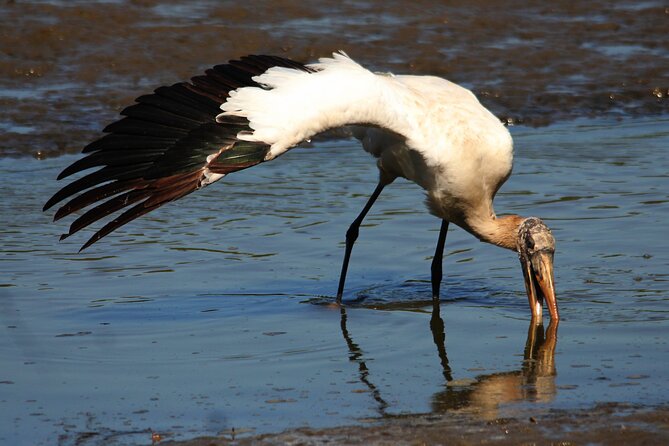
Seeing a crocodile isn’t something you can plan like a restaurant reservation. The overview notes the chance of the American Crocodile in these habitats, which tells you you’re in the right kind of environment.
But here’s what you should expect from a well-run birding day: you’re not going to run around trying to “find” wildlife. You stay focused on birds, watch patiently where the ecosystem is active, and follow your guide’s safety cues.
If a crocodile shows up, it’s usually because it’s already there—at the edge of the water or in a quiet stretch you’re observing. Your job is just to look, keep a respectful distance, and let the moment happen without turning it into a stampede.


How the biologist guide helps you spot birds faster
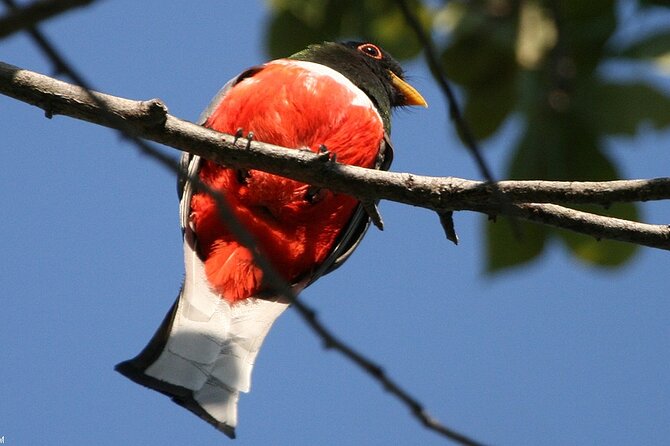
This tour includes a biologist professional guide, and that’s more than a credential. The best birding days teach you how to observe, not just what you saw.
From the experiences shared by others, guides have used a few consistent methods:
- Scopes to confirm distant birds and improve viewing time
- Identification by call and song, which can lead to birds showing up right after you hear them
- Clear directions that help you position your eyes and scan efficiently
- A checklist recap at the end, often with a group tally style review
That “end-of-day checklist” detail is underrated. When you log names while everything is fresh, your brain keeps the day organized. It also makes it easier to update your personal bird list later.
Also, because the group is small, the guide can be patient. People have praised the guide for answering questions and taking time to make sure everyone has a fair shot at the sights—plus a habit of helping you go after what you want to see most.
The pace and the stops: lots of productive time, not endless driving
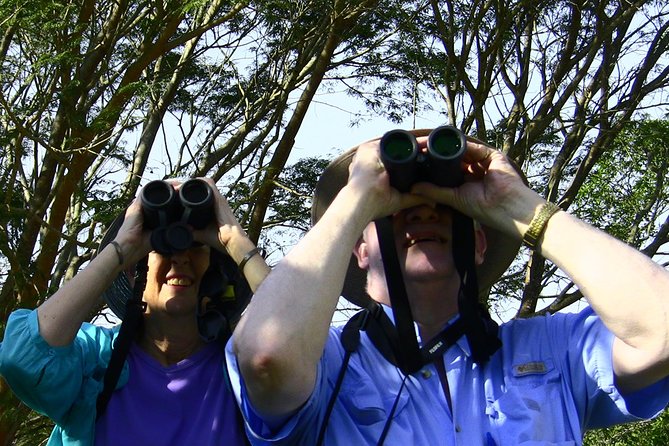
You’ll spend about 7 hours on the outing, with transport included. Driving is part of the equation because wetlands aren’t concentrated in a single spot you can walk to in one go.
That said, the most successful days keep the driving from eating the morning. The outing’s structure—moving between productive habitats—keeps the time useful.
You may also notice a “sequence” to many birding days in this region: inland pockets for some species, marshland for others, and a return to water edges for the birds that feed closer to shore.
So if you’re the type who gets restless during long transfers, focus on what you can control: bring your birding log, keep your binoculars ready, and treat each stop like an active search rather than a passive wait.
What’s included (and what you should plan to bring)
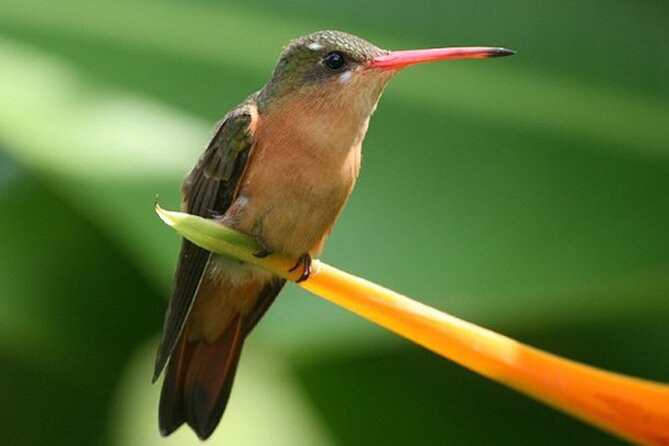
Included items are straightforward and helpful:
- Bottled water
- Snacks
- Coffee and/or tea
- Driver/guide
- Biologist professional guide
- Air-conditioned transport by van
Lunch is not included. That’s important. If you have a low hunger tolerance, you’ll likely want to plan your day after the tour carefully so you can eat soon after you return.
What to bring based on how this trip is run:
- Walking shoes (you’ll be on your feet)
- Your birding log (the day is set up for noting sightings)
- Sunscreen and a hat (early coastal sun can still be strong)
- Binoculars if you have them (a scope may appear depending on the guide, but your own binoculars are never a bad backup)
If you’re serious about birding, you’ll also get more out of the day if you come with a few target species in mind—especially if you want help from the guide on what to prioritize when multiple birds call at once.
Who this Puerto Vallarta bird paradise fits best
This is best for:
- Beginner-to-intermediate birders who want practical help identifying birds by sight and sound
- People who enjoy early mornings outdoors and don’t mind standing and scanning for periods
- Anyone who wants a small-group nature day, not a crowded bus tour
It may not fit well if:
- You have knee problems or limited mobility (the day is walking-focused)
- You want a relaxed, slow afternoon style outing (this is built around morning bird activity and regular scanning)
The minimum age is 8, and children must be accompanied by an adult. That can work well for families who have a kid who likes animals and quiet observation.
Guides and sightings: what tends to impress people
The standout theme across experiences is how guides find birds early and teach people to see them. Names that come up strongly include Michael and Cynthia.
What people have praised most:
- Spotting birds before they’re obvious—sometimes by call
- Patient ID help so you understand what you’re looking at
- A scope helping with distant birds
- A finished checklist recap so you don’t go home with fuzzy memories
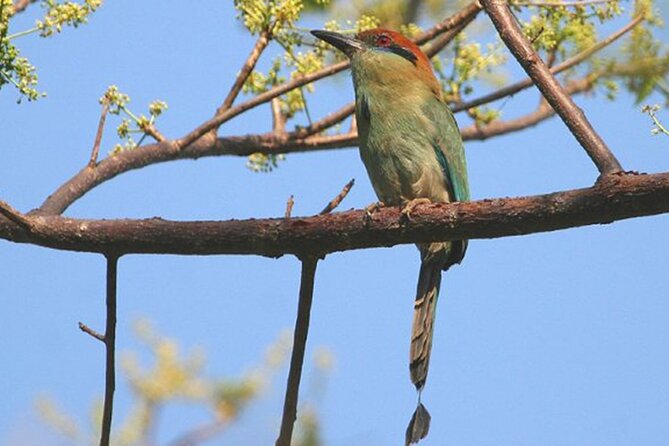
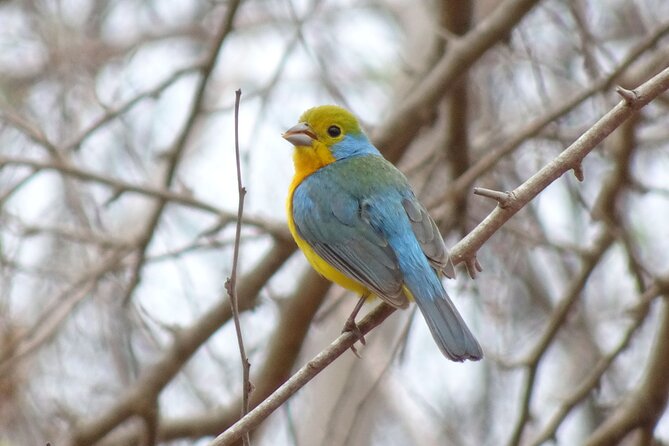
As for sightings, you may encounter a wide mix, including macaws (not always close), buntings, caracaras, stilts, waterfowl, motmots, trogons, owls (in some past outings), and more. There are even mentions of big-picture wildlife moments like humpback whales offshore during a longer natural day in the area. Treat those as luck-dependent bonuses, not promises.
If you’re hunting for a specific bird group, the best mindset is to tell the guide what you want—and then let their habitat knowledge guide you. That’s where the day becomes more than a checklist exercise.
Price and value: what you’re really paying for
No price is listed here, so I can’t break down dollars. But I can tell you where the value comes from.
You’re paying for:
- A biologist guide (not just a driver with a headset)
- Time in real habitats—mangroves, wetland edges, river zones
- Comfort that reduces friction (air-conditioned van)
- Practical fuel for the morning (snacks, water, coffee/tea)
- Small-group conditions that make spotting possible
If you compare this to a generic nature tour, the difference is skill and focus. You’re not just riding around for scenery. You’re out early, moving between the right places, and learning how to identify birds while you’re there.
Should you book this birding tour or skip it?
Book it if you:
- Want a morning-focused birding day in Puerto Vallarta that includes real identification help
- Like small group tours (max 8) and don’t mind walking
- Enjoy listening for calls and learning what to look for, not just taking photos
Skip it (or think twice) if you:
- Need a low-walking outing or have knee concerns
- Want a late start day with a more casual pace
- Prefer lunch included, since lunch isn’t part of this experience
My call: if birding is on your list, this is the kind of tour that gives you a reason to wake up early. The combination of wetlands, a biologist guide, and a focus on learning how to spot birds makes it feel like a skill-building day in nature—not just a sightseeing drive.
FAQ
What time does the birding tour start in Puerto Vallarta?
The tour starts at 6:45am and runs for about 7 hours. It ends back at the meeting point.
Where do we meet for Desembocada and Ameca River Bird Paradise?
You’ll meet at Ecotours Vallarta / Dive Shop Proa 20, Marina Vallarta, 48335 Puerto Vallarta, Jal., Mexico.
What’s included during the tour?
Included are bottled water, snacks, driver/guide, a biologist professional guide, air-conditioned van transport, and coffee and/or tea.
Is lunch included?
No. Lunch is not included.
How old do you need to be to join?
The minimum age is 8 years old, and children must be accompanied by an adult.
What should I know about cancellations and weather?
You can cancel for a full refund up to 24 hours before the experience starts. If the experience is canceled due to poor weather, you’ll be offered a different date or a full refund, and it can also be canceled if the minimum number of travelers isn’t met.