REVIEW · PUERTO VALLARTA
Introduction to Watercolor
Book on Viator →Operated by Art VallARTa Museo · Bookable on Viator
Watercolor can be intimidating, then suddenly not. This beginner class in Puerto Vallarta teaches you the real fundamentals—color theory, mixing, layering, and texture—through fun practice with still life, outdoor scenes, and wildlife. It’s also a small-group setup at Art VallARTa, with professional materials included.
I like that you can join for a single session or keep building skills across multiple classes, so you’re not stuck relearning the basics every time. I also like the way the teaching is geared to different abilities, with instructors such as Lourdes and Veronica highlighted for patient, technique-focused guidance.
One thing to plan for: the studio sits up a steep hill and involves some stairs, so it helps to use a taxi if you have mobility limits.
In This Review
- Key highlights worth your attention
- Watercolor in Puerto Vallarta: why this class feels so doable
- Art VallARTa in Zona Romántica: more than a classroom room
- The real lesson: color theory, mixing, layering, and texture
- Color theory that you can use right away
- Mixing that doesn’t fall apart on paper
- Paint layering so you know what comes first
- Texture techniques for depth and interest
- One class or a series: how the “level up” model helps
- What the 10:00 am experience actually feels like
- Supplies included (and what “pro materials” means for you)
- Small group size: five people means you get unstuck
- Price and value: $36 for real instruction beats DIY shopping
- Getting there and planning your day around the stairs
- Who this class is best for (and who might want a different style)
- Should you book this watercolor class in Puerto Vallarta?
- FAQ
- FAQ
- What is the duration of the watercolor class?
- How many people are in the class?
- Is the class offered in English?
- Do I need to bring my own watercolor supplies?
- Where do I meet for the class?
- Can I take just one class or multiple classes?
- What happens if the experience is canceled due to not meeting the minimum number of travelers?
Key highlights worth your attention
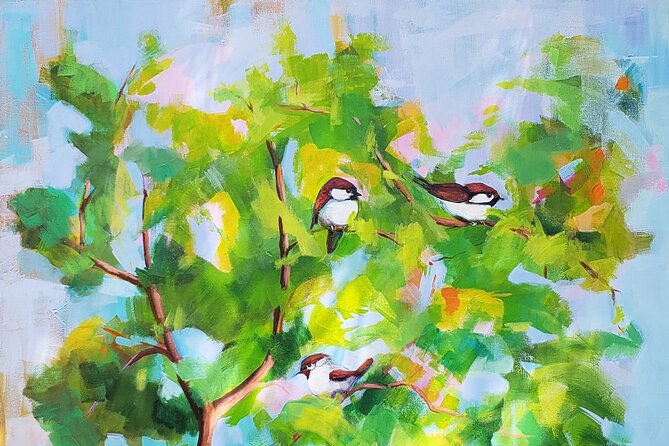
- Max 5 people means you get real attention instead of being lost in a crowd
- No supplies needed: pro materials are provided, including high-quality Daniel Smith watercolors
- One class or a series: you can level up as you repeat and build on prior skills
- Technique changes each class: you learn watercolor step-by-step with a new focus
- Color theory + mixing practice so your colors stop feeling random
- Local artist gallery setting at Art VallARTa adds a cultural, artsy vibe
Watercolor in Puerto Vallarta: why this class feels so doable
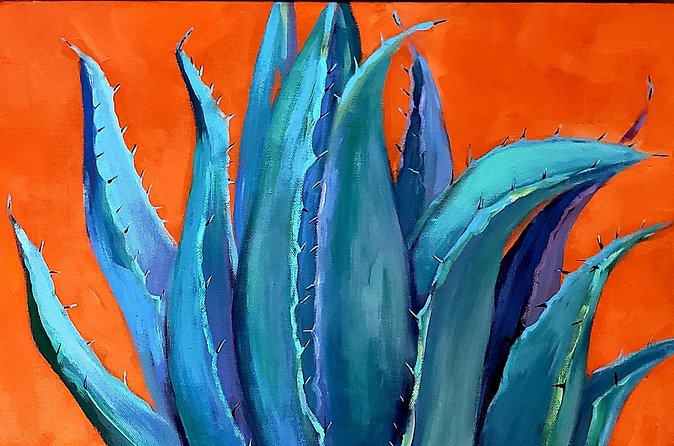
If you’ve ever stared at a watercolor palette and thought, I have no idea what I’m doing, you’re in the right place. The goal here isn’t to make you paint a masterpiece in one sitting. It’s to give you the building blocks—what to do with color, how to control water, how layers work, and how texture can be intentional.
This class is also designed for real beginners, but it doesn’t treat you like you’re starting from zero brain cells. You’ll get principles and technique tied to practice: still life, outdoor scenes, and wildlife subjects. That mix matters because watercolor behaves differently depending on the shapes and details you’re trying to capture.
And because the group is capped at five, you’re more likely to get quick corrections when something goes off—like muddy color mixes or paint drying too fast. For a short 2 hours 30 minutes, that small-group pace is a big advantage.
You can also read our reviews of more tours and experiences in Puerto Vallarta.


Art VallARTa in Zona Romántica: more than a classroom room
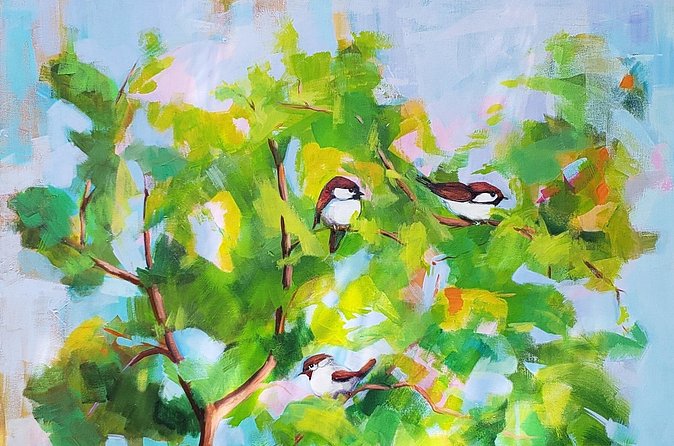
Your session is based at Art VallARTa Museo in Puerto Vallarta, in the Zona Romántica area. The meeting point is listed at Art VallARTa Pilitas 213, in Amapas (48333). You’re essentially showing up to an arts center, not just a random classroom.
That “museum and gallery” environment can change how you feel during a class. Instead of feeling like you’re stuck with a generic instruction poster, you’re surrounded by local creativity. One of the appeals is that there’s gallery space where you can see what artists in the area are working on, which gives you a sense of what watercolor looks like in the real Banderas Bay art scene.
The downside is physical location. The studio is described as beautifully lit but up a steep hill with stairs. If you’re fine with walking, you’ll probably enjoy the walk-up and the view of the neighborhood. If steps are hard, plan for a taxi to reduce the hassle.
The real lesson: color theory, mixing, layering, and texture
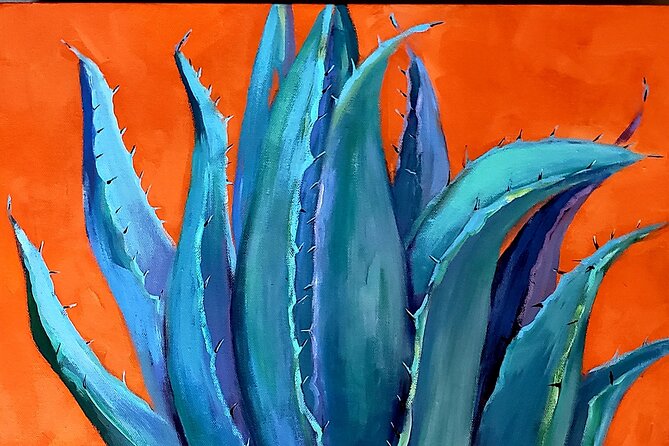
This course is built around four core watercolor skills. Think of them as your cheat codes.
Color theory that you can use right away
Color theory can sound abstract until you’re trying to make a wash look natural. Here, you’re learning how colors relate, then applying that to your own palette choices. The practical result you want: less guessing, fewer “why did this turn brown?” moments, and better control over warm vs. cool tones.
Mixing that doesn’t fall apart on paper
Watercolor mixing can be tricky because it looks great while wet and then changes as it dries. The class focuses on mixing so you understand what happens when you dilute pigments and how to aim for the intensity you need.
If you get stuck at any point, ask for guidance on the mix you’re trying to match. The instruction is meant to carry you through those early trial-and-error rounds.

Paint layering so you know what comes first
Layering is where watercolor goes from “pretty wash” to “real painting.” You’ll learn how to build tones by adding layers instead of trying to force everything into one attempt.
This matters because watercolor often fails when you overwork a wet surface. When you understand layering, you can be braver with details while still keeping your background from turning into a gray soup.
Texture techniques for depth and interest
Texture is what keeps a piece from looking flat or lifeless. This class covers texture so you can create variation in edges, surfaces, and marks. That’s especially helpful when you’re painting subjects like wildlife details or natural forms where uniform brushwork doesn’t look right.
One class or a series: how the “level up” model helps
A lot of vacation art classes are one-and-done: you take home a paper souvenir and a memory. This one is different because it’s set up for progression. You can join for one class, or you can level up over a series of classes where each session has a different technique focus.
That structure helps in two ways.
First, your second session makes sense. You’ll have a reference point for what you already learned—like mixing goals or layering order—so you can refine rather than restart.
Second, you build momentum. Watercolor skills stick when you practice them in a similar style of workshop, not when you switch methods every time. This course is designed to make repeat attendance feel natural.
If you’re the type who likes to take home something you can actually improve, this “join again” setup is a strong value.
What the 10:00 am experience actually feels like
The class starts at 10:00 am, and it runs about 2 hours 30 minutes. The session ends back at the meeting point, which keeps your day simple—no long transit, no wandering.
Even though the course is beginner-focused, expect a mix of short teaching segments and hands-on time. Here’s how the structure likely plays out in practice based on what the class covers:
- You begin with watercolor fundamentals: the practical side of color theory and mixing, plus how to think about paint layers.
- You practice technique while following the lesson focus, using different subject types.
- You work through still life, then move toward outdoor scenes and wildlife-style subject elements so you see how the same watercolor principles apply to different visual problems.
- You finish with your own attempts guided by the instructor’s feedback so you leave with basics you can repeat later.
For a 2.5-hour window, it’s a solid chunk of time to go from “I don’t get it” to “I understand what to try next time.”
Supplies included (and what “pro materials” means for you)
Here’s a major reason this course earns its price: you don’t have to bring your own art supplies. Professional materials are provided, so you arrive, sit down, and start painting.
You’re specifically told the class uses high-quality Daniel Smith watercolors. That matters more than people think. Cheap student paints can behave oddly, especially when pigments separate in a wash. With better pigments, your results are more predictable—which makes learning faster.
Also, professional materials remove a common trip-up: you don’t spend your first hour figuring out which brush is good for what or whether your paint is too runny or too thick. The class is already doing that thinking for you.
Quick caution: one piece of feedback shared concerns about brush and paint cleanliness. That’s not the common experience you should expect, but it’s a fair reminder to check your materials at the start. If something looks off, say so right away. Good instructors will adjust quickly.
Small group size: five people means you get unstuck
Max five travelers makes a real difference in art classes. In a bigger group, you might paint for two hours and only get help when the instructor is physically nearby. With five people, your questions are more likely to land on time, and your corrections are more likely to be specific.
This is where the named instructors shine. Lourdes is mentioned for patience and deep watercolor knowledge of both technique and theory. Veronica is mentioned for advising different ability levels. That combination—explaining the why and then showing the how—helps you build confidence instead of relying on guesswork.
If you’re traveling solo, this also feels less awkward. You’re not performing in front of strangers. You’re working alongside a handful of people all doing the same learning task.
Price and value: $36 for real instruction beats DIY shopping
At $36.00 per person for roughly 2.5 hours, this is priced like a focused workshop, not an all-day excursion. The value comes from three things you don’t always get together:
1) Instruction that teaches fundamentals (not just decorating)
2) Materials provided, including high-quality watercolor paints
3) Small group time, so you’re more likely to get feedback during the session
If you’ve ever tried to buy a beginner watercolor kit while traveling, you know the problem: the supplies cost money, but the learning curve is still on you. Here, you remove the supplies friction and get guidance on how to use those supplies. That’s what makes the price feel fair.
Also, because you can join multiple classes, this becomes a practical way to turn a one-time craft into a skill-building plan.
Getting there and planning your day around the stairs
The meeting point is Art VallARTa Pilitas 213 in the Zona Romántica / Amapas area. The class is near public transportation, which is helpful if you plan to bus or hop on a shared ride.
But remember the access reality: expect a steep hill and some flights of stairs. One review specifically called out that a taxi is recommended for those with mobility issues. Most people can likely participate, but if your feet or knees are sensitive, build in extra time and use the simplest route possible.
A smart way to plan: schedule this earlier in your day (since it starts at 10:00 am) and then keep your afternoon flexible. You’ll likely feel a bit “work-focused” during the class, and you may want a calm, easy activity afterward.
Who this class is best for (and who might want a different style)
This watercolor class fits best if you want structure. You like clear steps, you want basics explained, and you’d rather get guidance than experiment blindly for hours.
It’s also great for:
- First-timers who want watercolor fundamentals without buying supplies
- People who want a short creative break during a Puerto Vallarta trip
- Travelers who enjoy learning through practice, not just watching demonstrations
- Anyone who’s interested in how local artists approach the same medium (the art center setting helps)
You might consider a different option if:
- You strongly dislike stairs and hills (the studio is up a steep slope)
- You’re looking for an advanced, highly technical session with no hand-holding (this is framed as beginner-friendly)
Should you book this watercolor class in Puerto Vallarta?
I’d book it if you want a real beginner foundation and you’d rather learn with guidance than buy supplies and guess. The combination of small group size, pro materials (including Daniel Smith watercolors), and instruction covering mixing, layering, and texture makes the $36 price feel like a learning-focused deal.
I would also book it if you’re the type who may take more than one class. The “one session or series” format is exactly what turns vacation art into actual skill progress.
The only strong reason to skip is mobility comfort. If the stairs and hill are a problem for you, plan carefully or choose a different activity.
If those logistics work for you, this is one of the more satisfying ways to get a creative souvenir that also teaches you something you can use long after your trip.
FAQ
FAQ
What is the duration of the watercolor class?
The class lasts about 2 hours 30 minutes.
How many people are in the class?
The class has a maximum of five travelers.
Is the class offered in English?
Yes, the class is offered in English.
Do I need to bring my own watercolor supplies?
No. You don’t need to bring your own art supplies because professional materials are provided.
Where do I meet for the class?
You meet at Art VallARTa Pilitas 213, Zona Romántica, Amapas, 48333 Puerto Vallarta, Jal., Mexico.
Can I take just one class or multiple classes?
You can join for one class or many classes. You can continue working from one lesson to another.
What happens if the experience is canceled due to not meeting the minimum number of travelers?
If it’s canceled because the minimum isn’t met, you’ll be offered a different date/experience or a full refund.