REVIEW · PUERTO VALLARTA
Puerto Vallarta Cooking Class Experience with Market Tour
Book on Viator →Operated by Juan More Taco Tours · Bookable on Viator
Your lunch starts at the market. I love the market tour with Chef Enrique and the fact you eat what you cook, hands-on in his home kitchen. The main drawback to plan for is standing and moving around during the market portion, where you’ll need to squeeze in close to see and choose ingredients.
This is a small-group Puerto Vallarta cooking class (up to 8 people) in English, built around one idea: learn what makes Mexican food taste the way it does, starting with produce and tortillas. Menus can be adapted for vegetarians, vegans, and gluten-free eaters, but you should expect the exact dishes to shift based on what looks freshest that day.
In This Review
- Key things that make this Puerto Vallarta class worth your time
- A Market-to-Kitchen Plan That Feels Local, Not Touristy
- Mercado Palmar de Aramara: Where You Learn What “Fresh” Really Means
- The Tortilla Factory Stop: Nixtamalization Starts to Make Sense
- Cooking at Chef Enrique’s House: The Best Part Is You Can Participate
- What You’ll Cook: Daily Menus From Jalisco Staples
- Why the “daily menu changes” detail matters
- Eating the Whole Meal: The Value Is Right There in the Bowl
- Tequila and mezcal tasting during the meal
- Timing, Transportation, and Small Practical Tips
- Price and Value: What $144.81 Buys You in Real Terms
- Who Should Book This Puerto Vallarta Cooking Class (and Who Might Skip It)
- Quick FAQ for Planning Your Day
- FAQ
- How long is the Puerto Vallarta cooking class with the market tour?
- What time does the tour start, and where do I meet?
- How many people are in the group?
- Is the experience offered in English?
- What dishes can I expect to cook?
- Can the menu be adjusted for dietary restrictions?
- Is lunch included?
- Is tequila or mezcal included, and what’s the drinking age?
- What happens if the tour can’t run due to weather or low numbers?
- Should You Book This Puerto Vallarta Market-to-Cooking Class?
Key things that make this Puerto Vallarta class worth your time
- Up to 8 travelers: you’re more likely to chop, mix, roll, and cook instead of watching.
- Chef Enrique leads the market: you learn how to pick ingredients, not just what to buy.
- Tortilla factory stop: you see the dough process that sets the stage for real tortillas.
- Menus change by day: mole, tacos al pastor, ceviche, birria, tamales, and more.
- You eat the full lunch you make: no awkward feeling of cooking for someone else.
- A home-kitchen setup: organized, clean, and designed for groups of mixed ages and skill levels.
A Market-to-Kitchen Plan That Feels Local, Not Touristy
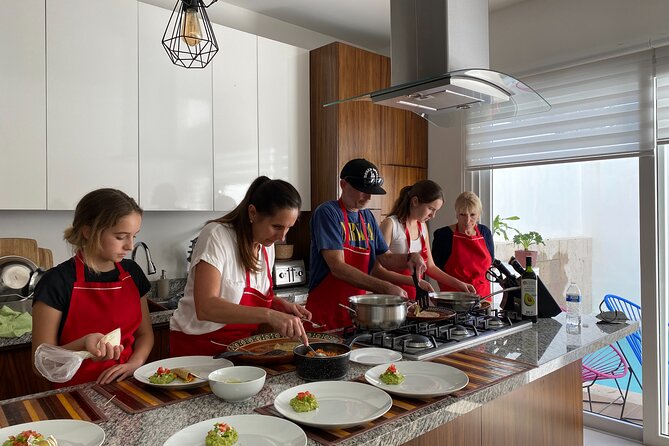
This experience runs as a morning food walk that turns into real cooking at a chef’s house. You’ll start near Montero Produce Market Palmar de Aramara Branch (Océano Pacífico 151). The day begins at 10:00 am and lasts about 4 hours total, with the biggest chunk of time spent cooking and eating.
Chef Enrique is the center of gravity. You meet him at the market, and you cook in his home kitchen afterward, with his family and helpers supporting you in prep, safety, and pacing. That setup matters: in a restaurant, a cooking class can feel staged. Here, it feels like you’re part of a family meal with lessons attached.
The tour includes a comfortable minivan ride to the market area and then returns you to the original departure point. From the chef’s house, you can also take a taxi or Uber back to your resort.
You can also read our reviews of more shopping tours in Puerto Vallarta
Mercado Palmar de Aramara: Where You Learn What “Fresh” Really Means
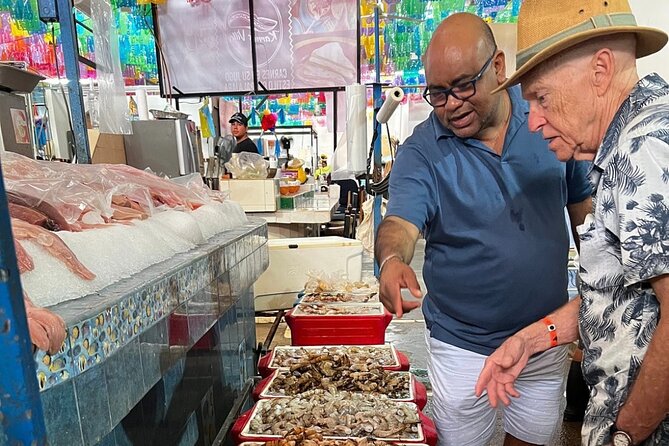
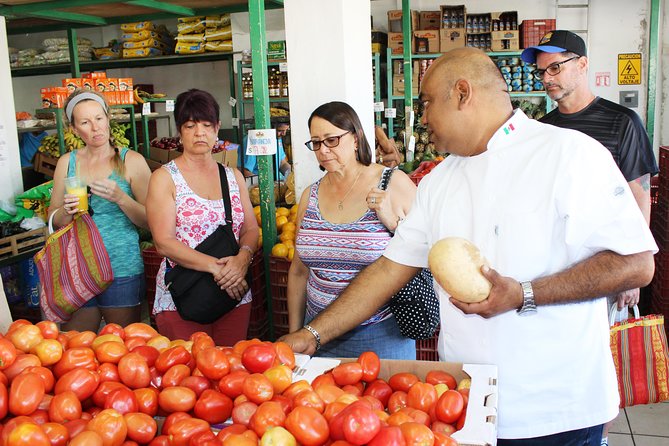
The first stop is Mercado Palmar de Aramara, and it’s the part that makes this class more than just a recipe workshop. Expect roughly 45 minutes at the market. You’re not just wandering—you’re using Chef Enrique’s guidance to understand what to look for and why.
I like market-first classes because they teach you the hidden skill of cooking Mexican food: ingredient judgment. You’ll see produce and seafood, and you’ll learn how vendors and cooks think about ripeness, texture, and flavor. The chef’s approach also helps you understand why two versions of the same dish can taste totally different depending on what’s in season.
One practical note: the market portion involves standing and walking around tight stalls. If you’re short on mobility tolerance, plan to pace yourself and wear shoes you can stand in. Bring water and a sun hat if you run warm.
The Tortilla Factory Stop: Nixtamalization Starts to Make Sense
Right after the market shopping, you’ll visit a local tortilla factory for about 15 minutes. This is a small stop, but it’s a big deal for anyone who cares about how tortillas actually work.
You’ll be buying dough that you’ll use later for fresh tortillas. And in the process, you pick up the basics of tortilla-making that most people never see: how the dough is prepared and how it connects to flavor. Even if you don’t walk out as a tortilla expert, you’ll understand why the tortilla matters as much as the fillings.
This stop also adds a nice rhythm to the morning. It breaks the day into two clear phases: ingredient selection first, then cooking tools and technique right after.
Cooking at Chef Enrique’s House: The Best Part Is You Can Participate
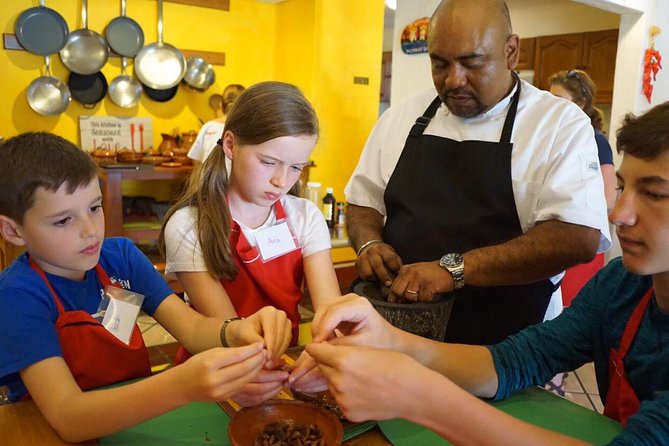
Once the market bags are loaded, you head to the home kitchen where the real work begins. This is where the class becomes genuinely hands-on.
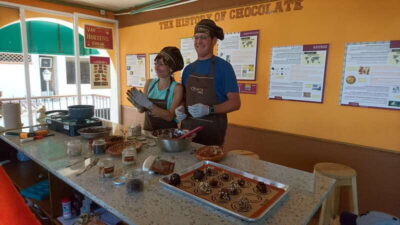
You’ll likely start with prep and technique that can include grinding ingredients, chopping, rolling, and assembling components for salsa and mains. The chef’s teaching style is practical: he’ll explain what you’re doing and why it affects the final taste. You also get chances to participate rather than being assigned only one small task.
At the home, there’s a clean, organized cooking area and a bathroom you can use. Family helpers support the flow so you’re not waiting around forever. For groups with different experience levels, this pacing matters because everyone can plug in at a comfortable step.
If you’re traveling as a family, this is one of the better cooking setups because the activities can be adjusted. There’s enough variety in chopping, mixing, assembling, and tasting that different ages can participate meaningfully.
What You’ll Cook: Daily Menus From Jalisco Staples
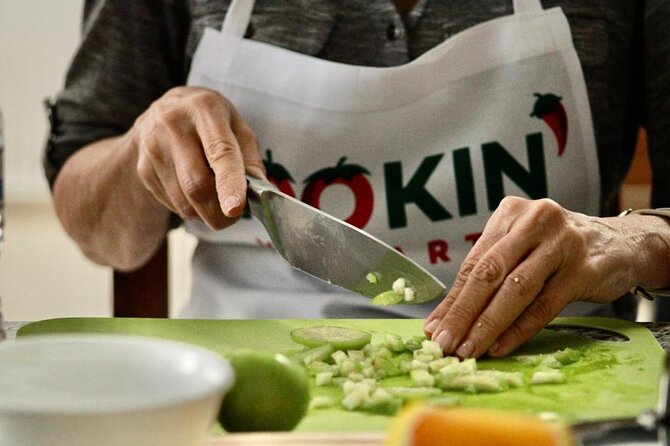
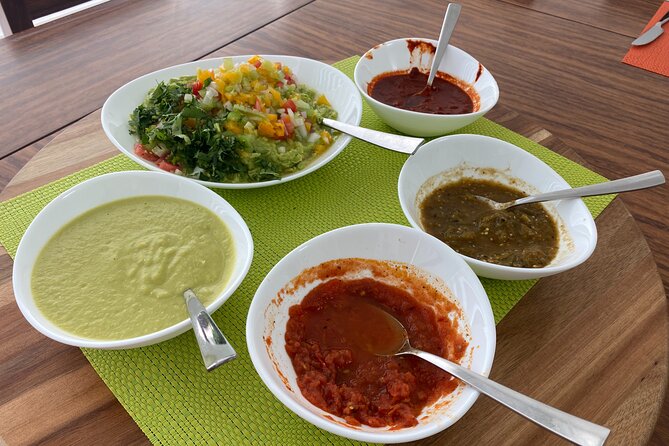
The class is built around region-forward Mexican cooking, and what you make depends on the day of the week. In general, you can expect salsa de molcajete (often made in a mortar with fresh and dried chiles), a main course, and dessert.
Here’s what the sample week looks like:
Monday: tacos with big flavor
You can get tacos like al pastor or pibil pork. You’ll learn how the marinade shapes the meat and how to build tacos using fresh homemade tortillas and salsas.
Tuesday: mole from scratch
Tuesday is about Mexican mole, sometimes specifically mole poblano. You’ll learn the process of making it all from scratch, including grinding cacao into a paste and combining it with chiles and spices. The chef may also explain mole as a complex blend—one of the commonly highlighted details is the 27-ingredient idea behind its depth.
Wednesday: seafood dishes, cooked Mexican-style
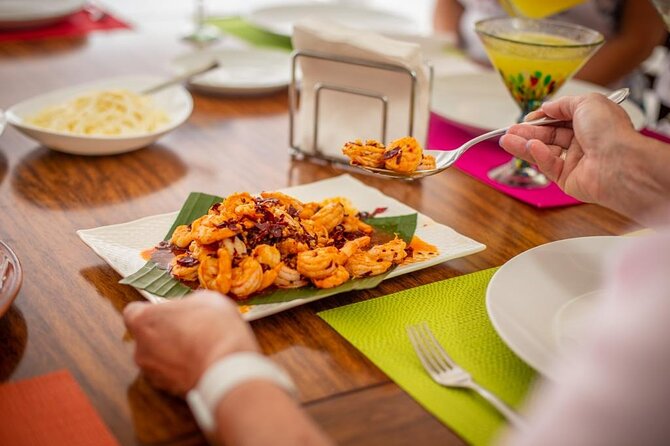
If you cook on a Wednesday, you’re in for sea-forward dishes. Expect things like ceviche and other regional seafood preparations. Some days include octopus and shrimp elements, plus salsas and sauces designed to balance heat and brightness.
Thursday: chiles rellenos and tamales
Thursday often features chiles rellenos and tamales, with flavors coming from classic family recipes. This is a great choice if you want a taste of comfort food that isn’t just about heat, but about texture and method.
Friday: Jalisco-style birria feast
Friday can include birria in adobo sauce, paired with homemade tortillas and salsas. It’s a hearty meal day, and it’s the kind of food that makes people understand why Mexican cuisine is so respected far beyond tacos.




Why the “daily menu changes” detail matters
It’s tempting to choose a cooking class based on one dish. With this format, you get two advantages: you don’t have to worry if a specific ingredient isn’t available on your day, and you experience a slice of the Mexican cooking calendar rather than repeating the same menu every day.
Just keep your expectations flexible. Menus can be modified based on market freshness, so the chef has room to adjust.
Eating the Whole Meal: The Value Is Right There in the Bowl
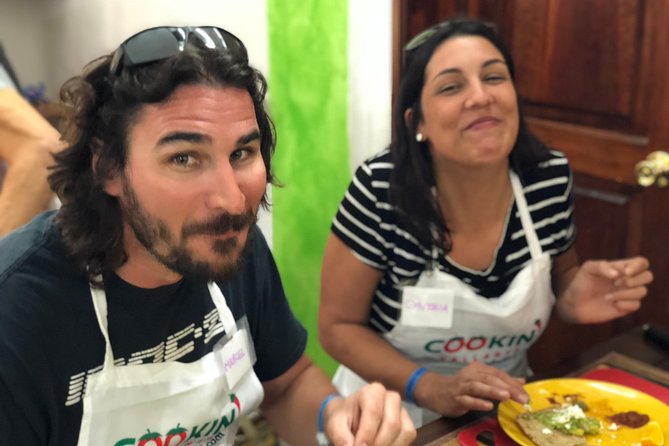
One of the smartest parts of this tour is simple: you eat what you cook. That includes a full sit-down lunch, and it’s not just small bites. You’ll have enough food to feel like you actually had a meal, not a demo.
The lunch is also built around conversation. Since you’re working as a group and then sitting down afterward, you get time to ask questions and trade notes with the chef and your fellow cooks. That human part is part of why small classes can outperform big group tours.
Tequila and mezcal tasting during the meal
You’ll toast and do tequila and mezcal tastings as part of the experience. The minimum age to drink alcohol is 21. Alcoholic beverages are listed as not included, so think of the tastings/toast as part of the structured experience rather than an open bar.
If alcohol is a key part of your vacation plan, I’d still set your expectations that you may only get what’s built into the class flow.
Timing, Transportation, and Small Practical Tips
Here’s how to plan your morning so it goes smoothly.
- Start time: 10:00 am
- Duration: about 4 hours
- Group size: max 8 travelers
- Transportation: you get a minivan to the market; transportation is only from the market to the chef’s home, and you return afterward to the tour’s original departure point. From the chef’s house, you can take a taxi or Uber back to your resort.
Because you’ll be standing at the market, wear shoes that don’t mind hours on concrete. Bring water. A sun hat helps if you’re out in direct light.
If you have dietary requirements, you should flag them when you book. The chef can adapt menus for vegetarians, vegans, and gluten-free participants, but your best results come from telling them early what to avoid.
Price and Value: What $144.81 Buys You in Real Terms
At $144.81 per person for a roughly 4-hour class, this can look expensive at first glance. But the price stacks several things that many food tours charge separately.
You’re paying for:
- A guided market tour with ingredient guidance
- A tortilla factory stop and use of tortilla dough for the class
- A professional chef host (multilingual) and a home-kitchen teaching setup
- A full meal that you actually cook and then eat
- Purified water during lunch
The “value math” becomes clearer when you compare it to the cost of eating out plus paying for a guided food experience. You’re also getting a small-group setup, which usually means more time actively cooking and less time just looking.
Two things that affect value decisions for you:
- No hotel pickup/drop-off is included, so you’ll need to get yourself to the meeting point.
- Alcoholic beverages aren’t included, even though there’s tequila/mezcal tasting during the experience. If you’re the type who wants lots of drinks, budget that separately.
Who Should Book This Puerto Vallarta Cooking Class (and Who Might Skip It)
This tour is a strong fit if you:
- Want a hands-on Puerto Vallarta food experience, not just a tasting
- Like learning how to shop for better ingredients
- Care about Mexican techniques like tortillas and salsas
- Enjoy cooking with a chef and then sitting down to eat together
It’s also a nice match for couples and families because the class is structured to include different comfort levels in cooking tasks.
You might consider a different option if:
- You can’t tolerate standing/walking around a market for a while
- You require hotel pickup service
- You mainly want a cooking class with long, uninterrupted cooking time and minimal market walking
Quick FAQ for Planning Your Day
FAQ
How long is the Puerto Vallarta cooking class with the market tour?
It runs for about 4 hours total.
What time does the tour start, and where do I meet?
The start time is 10:00 am at Montero Produce Market Palmar de Aramara Branch, Océano Pacífico 151, Palmar de Aramara, Puerto Vallarta. The listed end point is De Las Higueras, Jardines de Las Gaviotas, Puerto Vallarta.
How many people are in the group?
The class has a maximum of 8 travelers.
Is the experience offered in English?
Yes, the tour is offered in English, and the professional chef host is multilingual.
What dishes can I expect to cook?
The main course changes by day. Examples include al pastor or pibil pork tacos (Monday), Mexican mole all from scratch (Tuesday), seafood dishes like ceviches (Wednesday), chiles rellenos and tamales (Thursday), and birria in adobo sauce (Friday). You may also make items like salsa de molcajete and dessert.
Can the menu be adjusted for dietary restrictions?
Yes. Menus can be adapted for vegetarians, vegans, and gluten-free participants. You should advise dietary requirements at booking.
Is lunch included?
Yes. You’ll have a full sit-down lunch and you eat everything you cook during the class, with purified water included.
Is tequila or mezcal included, and what’s the drinking age?
There is a tequila and mezcal tasting during the experience, and the minimum age to drink alcohol is 21. Alcoholic beverages are listed as not included.
What happens if the tour can’t run due to weather or low numbers?
The experience requires good weather. If it’s canceled due to poor weather, you’ll be offered a different date or a full refund. There’s also a minimum number requirement, and if not met, you’ll be offered an alternative or a full refund.
Should You Book This Puerto Vallarta Market-to-Cooking Class?
Book it if you want a real Puerto Vallarta food day built around market choices, tortillas, and a full meal you cook yourself. The small group size and Chef Enrique’s hands-on teaching make it feel practical, not just performative.
I’d especially book if mole, tacos, ceviche, tamales, or birria are on your “must try” list, because the menu is designed to rotate through classic Mexican dishes during the week. Just be ready for the market portion: wear comfortable shoes, bring water, and plan on standing for a bit while you shop with the group.