REVIEW · PUERTO VALLARTA
Whale Watching Experience
Book on Viator →Operated by Vallarta Adventures · Bookable on Viator
Humpbacks call right off Puerto Vallarta. This winter-focused whale-watching trip takes you across Banderas Bay in a speedboat, then slows down for the good stuff: a marine mammal expert talking sea-life behavior while you listen through hydrophones.
I love the way the tour prioritizes whale time over long wandering. I also love the hydrophone setup, because hearing humpback communication adds a whole second layer to what you see.
One heads-up: the boat has no toilets and no shade, and it can feel chilly on open water. If you burn easily, plan for sun too.
In This Review
- Key Points Before You Go
- Winter Humpbacks in Banderas Bay: What Makes This Trip Special
- The Speedboat Advantage From Vallarta Adventures
- How the Tour Works on the Water: Whale Viewing Plus Whale Hearing
- Stops and Timing: What You’ll Do Before and During Whale Encounters
- First on the schedule: the migration lesson
- Then you go see from the water
- What’s Included (and What You’ll Pay for On Top)
- Is $89 good value?
- Meeting Point Reality: No Hotel Pickup, Simple Start and Finish
- What to Pack: Chilly Wind, No Shade, and Other Common Sense Tips
- Group Size and How It Affects Your Whale Watching
- Who This Speedboat Whale Tour Fits Best
- Who Might Want a Different Option
- Booking Decision: Should You Book This Puerto Vallarta Whale Watch?
- FAQ
- How long is the whale watching tour?
- What does the tour cost, and what’s included?
- What extra fees should I expect to pay?
- Does this tour include hotel pickup and drop-off?
- Is the tour offered in English?
- Are drones allowed?
- Is there a restroom or shade onboard?
- FAQ
- Can I cancel for a full refund?
- What if the tour is canceled due to weather?
- What happens if there aren’t enough travelers?
Key Points Before You Go
- Speedboat pace: get out to whale areas fast, then reposition as sightings pop up
- Hydrophones included: you can listen to whale calls underwater through the microphone system
- Marine mammal expert guidance: expect clear explanations of dive time and whale behavior cues
- Small max group size: capped at 30 travelers for a more manageable experience
- Realistic comfort planning: no shade and no restroom aboard, so you’ll want to dress smart
- Extra fees to budget: port admission and a conservation fee are collected on top of the base price
Winter Humpbacks in Banderas Bay: What Makes This Trip Special
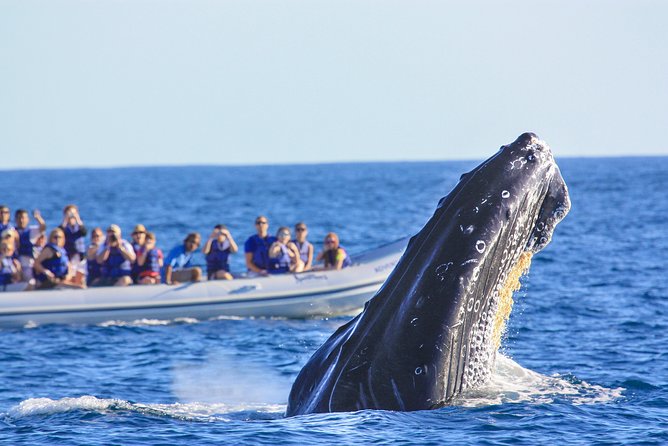
Puerto Vallarta’s whale watching hits different in winter because humpbacks migrate in and use sheltered coasts for breeding and raising calves. That’s the heart of what you’re looking for here: not random sightings, but a seasonal story happening right offshore.
In practical terms, winter timing matters because humpbacks are more likely to be in predictable areas during the migration and calving period. The tour is built around that seasonal window, and it’s why the experience often feels active, with more chances to see multiple groups during your time on the water.
You can also read our reviews of more whale watching tours in Puerto Vallarta

The Speedboat Advantage From Vallarta Adventures
This is run by Vallarta Adventures and starts at Vallarta Adventures at Terminal Marítima N Puerto Mágico. The big decision for many people is the boat type: a speedboat designed to reach whale areas quickly.
Why I like that for you: it typically means less waiting. When whales are around, the best encounters are often the ones where you’re close and moving with the action. Several guides and captains on these trips are known for positioning efficiently, and the speedboat format can help the crew get you where the whales are doing their thing.
The ride can also be smoother than you might guess for a fast boat. Still, don’t ignore motion and wind. You’ll be exposed to sea air most of the trip, and comfort depends heavily on what you wear.
How the Tour Works on the Water: Whale Viewing Plus Whale Hearing
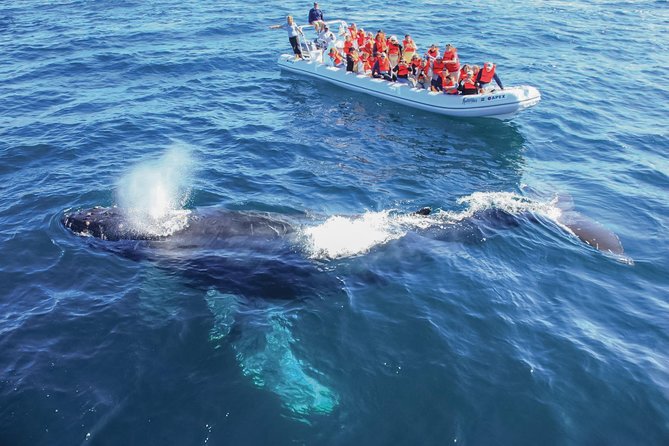
Your time is built around two main ideas: understanding why humpbacks are here, then experiencing them from the water. Once you’re underway, the marine mammal expert explains what to expect as whales surface, dive, and move through the bay.
Here’s what you can realistically hope to get from this style of tour:
- Multiple whale groups during the same outing when conditions and sightings cooperate
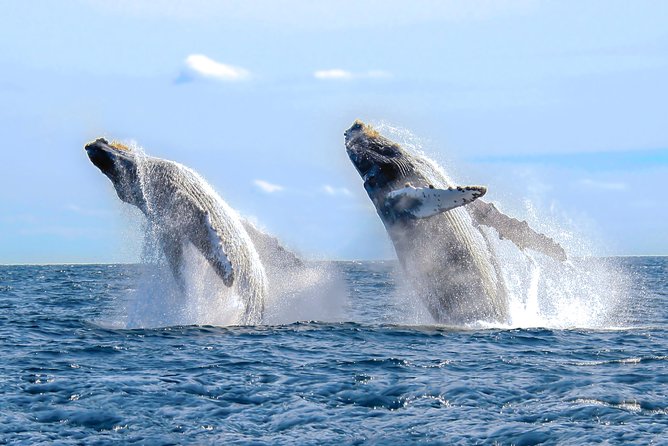
- Breaching behavior at least sometimes, since humpbacks occasionally rise high and breach
- Mom-and-calf moments, because calving and teaching young is part of this winter migration phase
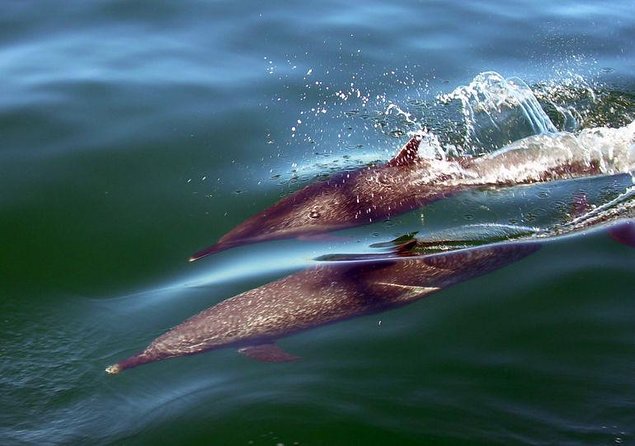
- Other sea life mixed in, including dolphins and sometimes other large marine animals
The standout “wow” for many people is the hydrophone. It’s included, and it changes the experience from visuals-only into sound too. When the whales are close enough, you’re not just watching movements—you’re getting a direct line to their underwater communication.
Also, a good guide helps you interpret what you’re seeing. One of the most appreciated skills from these tours is setting expectations for dive timing and behavior, so the group doesn’t spend the whole trip guessing.
Stops and Timing: What You’ll Do Before and During Whale Encounters
The tour frames the experience with winter migration context, then shifts to the viewing phase. While the written schedule is simple, the day on the water usually follows a pattern that makes sense for whale encounters:
First on the schedule: the migration lesson
This is the moment you learn why winter humpbacks end up in sheltered coasts like Banderas Bay. It’s not just trivia. Knowing the breeding and calf-rearing context makes surface behavior and mother-calf interactions easier to read.
For you, this kind of setup improves the whole outing. When you understand what the whales are doing and why, the “random whale surface” becomes a story.





Then you go see from the water
Once the crew finds whales, the goal is time on scene. With a speedboat and an expert tracking the situation, you’re positioned for frequent viewing opportunities, not one long drive to a single spot.
Some tours also make it possible to experience more than one whale-viewing area during the same trip window. That matters because whales aren’t stationary. A crew that can reposition intelligently increases your chance of seeing different behaviors—like a mom feeding or a group doing more active surface behavior.
What’s Included (and What You’ll Pay for On Top)
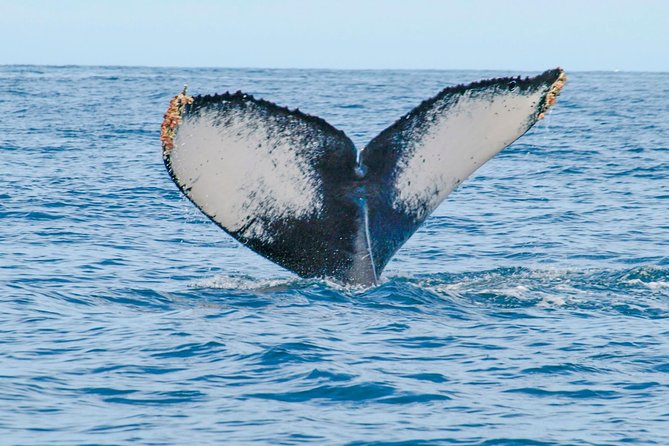
The base price is $89.00 per person and includes a few high-value items that directly affect your experience:
- Hydrophones
- Light snack
- Purified water
The included hydrophones aren’t a small add-on. They’re a major part of why this tour can feel more “complete” than many basic whale sightings.
Now the part you need to plan for: two additional costs can show up during your day.
- Admission Fee – Puerto Vallarta: MX$40.00 per person (not included)
- Conservation fee: an additional $25-peso conservation fee per person collected at check-in, with proceeds supporting humpback whale conservation
Also expect to bring cash for those items. The tour notes specifically call out having money on hand for the port/fees.
Is $89 good value?
For me, the value comes down to what you’re getting for your time on the water: speedboat access, hydrophones, an expert-led interpretation, and basic food + water. If you’d otherwise be paying for a standard boat tour without listening tech, this price starts to look like a sensible trade.
Meeting Point Reality: No Hotel Pickup, Simple Start and Finish
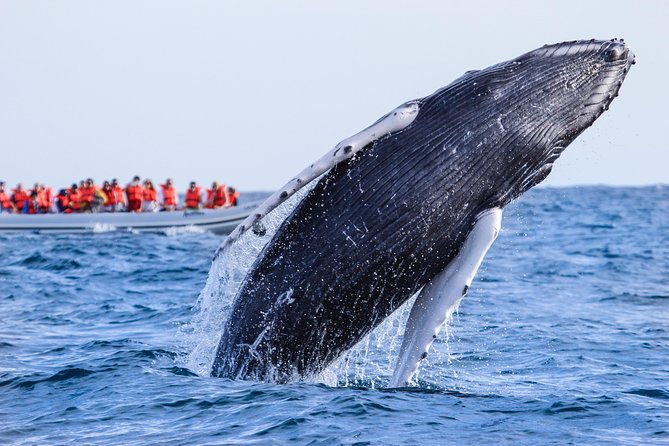
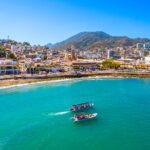
There’s no hotel pickup or drop-off. The trip meets at Vallarta Adventures (Terminal Marítima N Puerto Mágico) in the Zona Hotelera Nte. That’s helpful if you like control over your schedule, but it does mean you need to build in time to get there.
Plan on arriving early enough to find your check-in spot calmly. Once you’re done, the tour returns to the same meeting point.
This “out and back” flow is nice because you’re not juggling extra transfers. It’s also a reason the experience can fit neatly into a morning routine.
What to Pack: Chilly Wind, No Shade, and Other Common Sense Tips
This boat does not offer toilets or shaded areas onboard. That means comfort isn’t automatic. I strongly suggest you treat this like a cold-water/sea-wind outing even if the weather on land feels fine.
What you should bring:
- A light jacket or fleece, especially in winter or if you get cold easily
- Sunscreen, because there’s no shade and the sun can bounce off the water
- Something you can handle with wet wind (and a quick-dry approach helps)
- Cash for the port admission and the conservation fee
- If you’re sensitive to motion, consider that open water + speed can feel like a lot
One more rule to know before you get excited: drones are prohibited on this tour due to federal regulations related to protecting bird flight paths.
Also, the tour notes that most travelers can participate. That’s good news for confidence, but it doesn’t replace your own common sense about weather, water conditions, and how you handle boats.
Group Size and How It Affects Your Whale Watching
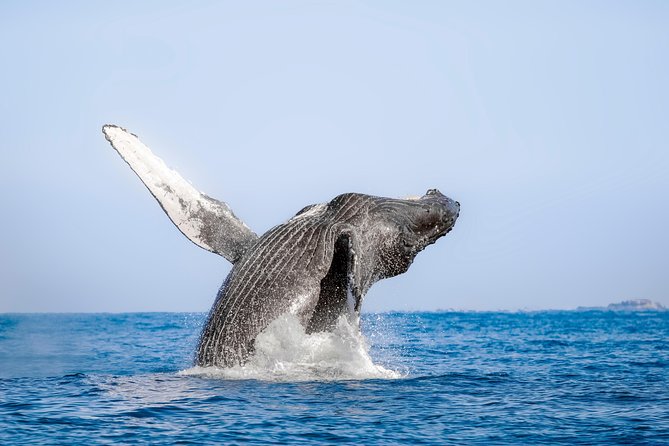
This experience has a maximum of 30 travelers. In practice, that matters because whale watching is a “watch, listen, and adjust” sport. Smaller groups are easier for the guide to manage and easier for you to keep sightlines on the water.
That size also plays into the vibe: more focus on the whales, less on the crowd.
Some people also mention that the boat is smaller and intentionally intimate for whale watching. The no-bathroom detail lines up with that smaller-boat reality, so it’s not a trade you can ignore. If you really want comfort amenities onboard, this is where you may feel the downside.
Who This Speedboat Whale Tour Fits Best
I’d point you to this tour if you want:
- Active whale watching with a speedboat approach
- An expert explanation that helps you interpret what’s happening
- Hydrophones so you can hear whale communication, not just see surfacing
- A small-group feel (up to 30 people)
It also fits well if you’re the type who enjoys photos and wants multiple opportunities for viewing. Many guides focus on repositioning when whales show behaviors like breaching or staying near the surface.
Who Might Want a Different Option
Skip or rethink this one if:
- You strongly need toilets or lots of onboard shade
- You hate open-air wind and cool temperatures
- You’re traveling with mobility needs that make boat logistics harder (the tour says most travelers can participate, but comfort on this specific boat is limited)
The experience is designed for sea time. If your ideal day is “sit comfortably under cover for hours,” you’ll probably feel frustrated here.
Booking Decision: Should You Book This Puerto Vallarta Whale Watch?
If you’re deciding between a basic whale tour and one with hydrophones plus an expert, I’d book this. The included listening tech changes what you take away from the trip. Add in the speedboat pace and small-group cap, and you’re set up for a more dynamic outing.
Be smart about the trade-offs. Go in expecting open-air wind, dress for it, and use the bathroom before you board. Also budget the extra fees: MX$40 for the port admission and the conservation fee collected at check-in.
For most people visiting Puerto Vallarta in the winter humpback season, this is a strong choice—especially if you care about hearing whale calls and learning what you’re seeing as the day unfolds.
FAQ
How long is the whale watching tour?
The duration is about 3 hours.
What does the tour cost, and what’s included?
The price is $89.00 per person. It includes hydrophones, a light snack, and purified water.
What extra fees should I expect to pay?
There is an admission fee of MX$40.00 per person for Puerto Vallarta, and an additional $25-peso conservation fee per person collected at check-in.
Does this tour include hotel pickup and drop-off?
No. Hotel pickup and drop-off are not included. You meet at Vallarta Adventures at Terminal Marítima N Puerto Mágico.
Is the tour offered in English?
Yes, the tour is offered in English.
Are drones allowed?
No. Drones are prohibited on this tour.
Is there a restroom or shade onboard?
No. This type of boat does not offer toilets or shaded areas on board.
FAQ
Can I cancel for a full refund?
Yes. You can cancel up to 24 hours in advance for a full refund.
What if the tour is canceled due to weather?
The tour requires good weather. If it’s canceled due to poor weather, you’ll be offered a different date or a full refund.
What happens if there aren’t enough travelers?
If it’s canceled because the minimum isn’t met, you’ll be offered a different date/experience or a full refund.