REVIEW · PUERTO VALLARTA
Whale and Dolphin Watching with a Biologist in Puerto Vallarta
Book on Viator →Operated by Wildlife Connection · Bookable on Viator
Humpbacks can feel alarmingly close. This whale and dolphin watching trip in Puerto Vallarta pairs you with a cetacean biologist so the time on the water feels like part wildlife encounter, part live classroom, and part real conservation work. In winter, you’re looking for humpbacks in the bay, plus dolphins, turtles, and giant mantas when conditions line up.
I especially like two things. First, the biologist team brings serious field experience and uses tools like a hydrophone so you can hear whale songs, not just watch for surface action. Second, the tour is built for better viewing—max 20 travelers on the water—which means you’re not stuck behind a crowd every time a whale surfaces.
One consideration: it’s weather-dependent, and once you’re on the boat you’ll want to plan around limited amenities. Also, the operator notes it isn’t recommended for people more than 7 months pregnant.
In This Review
- Key things that make this tour worth your time
- Where you start in Puerto Vallarta: Opequimar Centro Marino
- The 4-hour on-the-water experience: what actually happens
- The humpback moments I’d plan my day around
- Dolphins, mantas, and sea turtles: the bonus you hope for
- How the citizen-science part actually works for you
- The guide team: what you’ll get beyond facts
- Boat comfort and “real life” things to know
- Price and value: is $105 worth it?
- Who should book this, and who should skip
- My booking recommendation: should you do this tour?
- FAQ
- What animals can I expect to see on this whale and dolphin watching tour?
- How long is the tour and is it in English?
- Where do I meet for the tour?
- How many people are on the tour?
- Does the tour include underwater whale singing?
- Is this tour suitable for everyone?
Key things that make this tour worth your time
- Biologist-led cetacean spotting: your guide specializes in whales, dolphins, and related marine wildlife.
- Citizen-science participation: your observations feed into their research work.
- Winter humpbacks in Puerto Vallarta: humpbacks are present as they mate and give birth.
- Hydrophone whale singing: you may hear underwater calls, not just see splashes.
- Small group on the water (max 20): easier viewing and a more “hands-on” feel.
Where you start in Puerto Vallarta: Opequimar Centro Marino
Your day begins at Opequimar Centro Marino, at Av. Paseo de la Marina Sur 214 in Marina Vallarta. It’s the kind of departure point that keeps things simple: you meet, you get checked in, and then you’re moving.
Before heading out, this trip commonly includes a short educational setup on land. That matters because it helps you “read” what you’re about to see. Once you know what you’re likely looking for—mothers and calves, feeding behavior vs. social behavior, and why dolphins might show up when they do—you’ll enjoy every hour more.
If you’re doing this as part of a first-time Puerto Vallarta week, this timing works well. You’re not just sightseeing; you’re doing one focused nature experience, with experts running the show.
You can also read our reviews of more whale watching tours in Puerto Vallarta


The 4-hour on-the-water experience: what actually happens
The tour runs about four hours, and it’s structured around the reality of wildlife watching: you can’t “schedule” whale behavior. Instead, the team plans to be out there when the chances are best, then adjusts as animals move through their habitat.
Once you launch, the first stretch is usually the most exciting. Many guides aim to get you to productive water quickly, because whale watching can turn into a long wait if you’re not close enough. The best part of this format is the combination of speed and interpretation—your biologist guide isn’t only pointing; they’re explaining what you’re seeing and why.
You’ll also likely spend time in more than one viewing area. That gives you variety: one group might bring whale activity (breaches, flukes, close surfacing), while another might be where dolphins or other marine life show up. From there, you return to the harbor and wrap up back at the meeting point.
The humpback moments I’d plan my day around
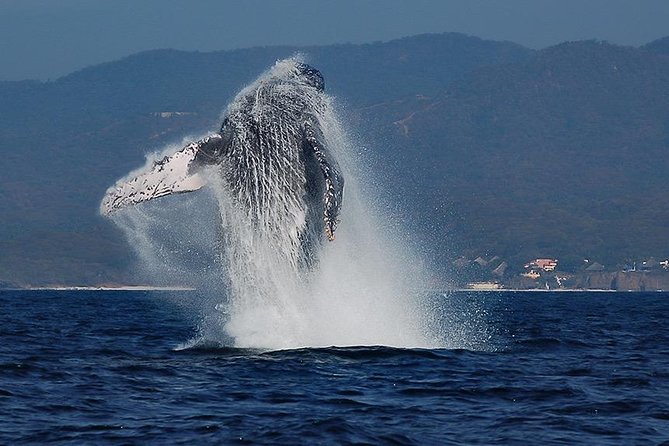
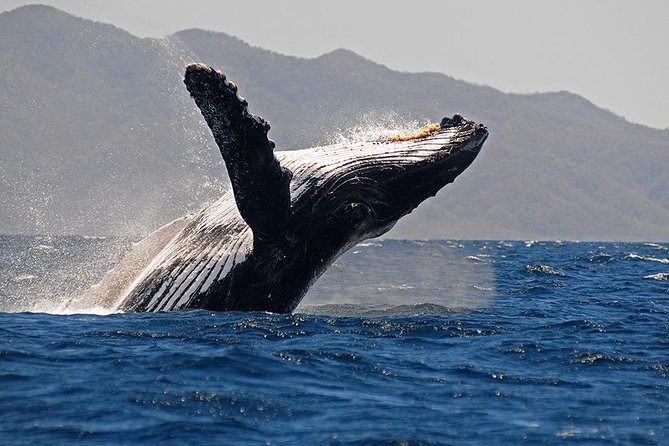
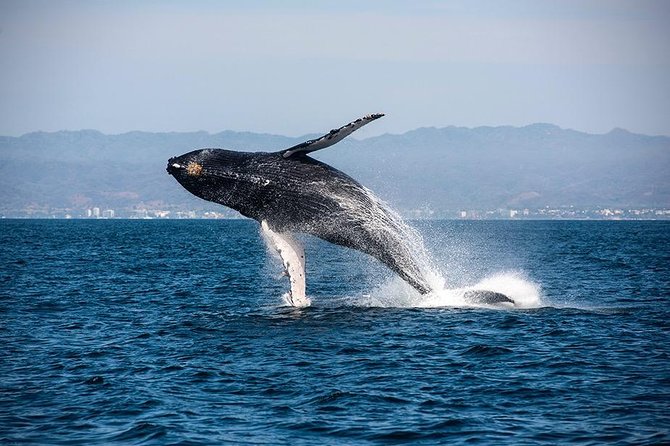
This is a humpback-focused winter outing, and it’s built around the spectacle humpbacks are famous for—plus the calmer, more intimate moments too. You’re hoping to spot humpbacks that arrive to mate and give birth, and your guide’s job is to help you recognize behavior as it unfolds.
Here are the kinds of moments you’re likely to watch for:
- Breaches and aerial behavior (when a whale jumps out of the water)
- Mother-and-calf interactions, including playful or instructional behavior
- Male whale behavior, including social competition and escorting activity
- Diving and surfacing patterns, which can change your viewing angle quickly
The thing that turns this from a “see whales” trip into a “understand whales” trip is your guide’s explanations. A cetacean biologist can tell the difference between, say, a whale showing dominance versus a whale responding to social cues. It’s the difference between snapping photos and actually following the animal’s story.
And yes, hearing whale singing can be part of the show. Guides may use a hydrophone to share underwater vocalizations, which adds a whole new layer—especially if you’re lucky enough to catch whales vocalizing while you’re positioned well.
Dolphins, mantas, and sea turtles: the bonus you hope for
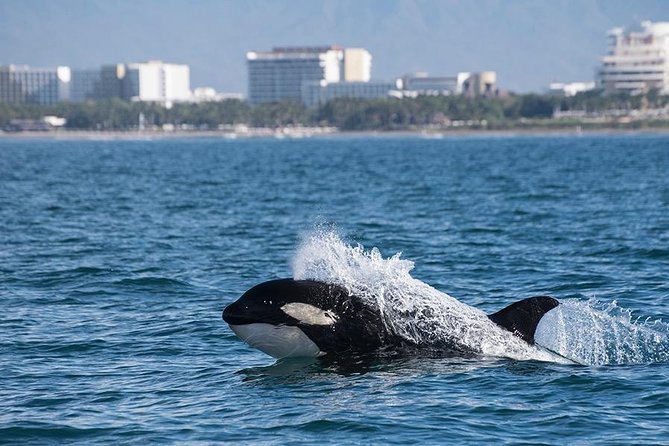
The core target is humpbacks, but this tour is also designed to deliver “more than whales.” In winter, you may see multiple dolphin species, and with luck, even larger sightings like orcas or false orcas.
According to the tour description, the possible dolphin lineup can include:
- bottlenose dolphins
- spotted dolphins
- spinner dolphins
- rough-toothed dolphins
- and with luck, orcas or false orcas
You may also encounter giant mantas and marine turtles. The key detail here is that these aren’t guaranteed add-ons; they depend on animal movement and where the research team chooses to focus that day. But because you’re on a small-boat outing with experts making real-time decisions, your odds are better than on tours that feel more rigid.
If you’re the type who loves “species variety,” this is the sweet spot. Instead of spending four hours locked into one surface event, you’re more likely to experience different kinds of wildlife behavior—dolphins darting and socializing while whales do their slower, heavier work below.
How the citizen-science part actually works for you
This tour isn’t just about entertainment. You participate in a research project that helps protect whales and dolphins. The operator specifically frames your participation as what makes their research possible, and notes a 100% animal-finding guarantee tied to the program (if animals can’t be found, you’re covered per their promise).
In practice, citizen science on whale tours usually means you’re observing and reporting details you notice—things like where animals are, what the group looks like, and what behaviors you can see from the boat. You don’t need a biology degree. Your guide translates what you’re seeing into something useful.
I like this angle because it changes your role from passive viewer to active participant. Even when the animals do what they want (which they always do), you’re still doing something meaningful with the time.
You can also read our reviews of more dolphin watching tours in Puerto Vallarta



The guide team: what you’ll get beyond facts
One of the standout themes is the guide experience. The tour is led by biologists specializing in cetaceans, and the description highlights advanced background in marine ecology plus science journalism and professional wildlife photography credentials.
You might meet guides such as Camilla or Jema/Gemma on the water. Captains you may work with include people like Jorge or Cesar. Names vary by day, but the staffing pattern stays consistent: a biologist who can explain behavior, paired with a captain who can position the boat safely for wildlife viewing.
What this means for you: when a whale changes direction or surfaces unexpectedly, your guide can tell you what that likely signals. You’re not stuck guessing. And when you see something rare—like close mother-and-calf behavior—it helps to have someone interpret it on the spot.
Boat comfort and “real life” things to know
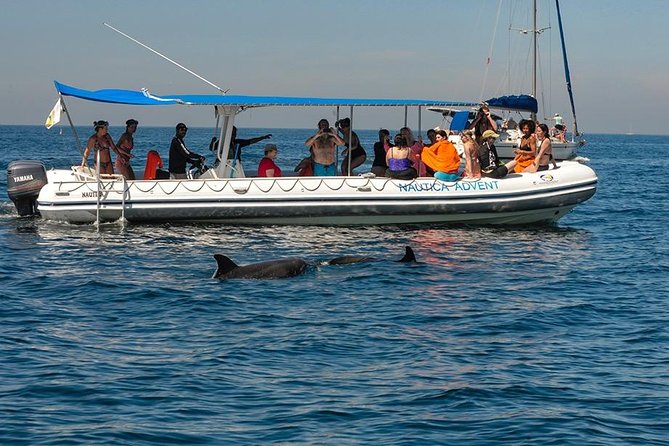
The tour caps at 20 people, and many boats used for this type of wildlife watching are set up for visibility from multiple sides. That matters because whales don’t surface on one side forever. In a tight group, you can often shift position for better views when animals move.
Many riders also note the boat is covered, which is a genuine comfort upgrade in a warm coastal climate when sun and glare can be intense.
A practical note from real experience: there’s no bathroom on the boat. So bring a plan. If you’re sensitive to motion or sun, you’ll also want to prepare for time on the water with the basics you’d expect—water, sun protection, and layers you can handle if conditions shift.
Price and value: is $105 worth it?
At $105 per person for about four hours with a biologist, safety-focused crew, and a research component, this sits in the “worth paying for the right experience” category.
You’re not just paying for a ride to see animals. You’re paying for:
- expert wildlife interpretation from a specialist
- an on-the-water search approach that prioritizes whale and dolphin encounters
- the chance to hear underwater whale singing with a hydrophone
- a small-group setup that helps you actually see what matters
- a citizen-science participation component tied to conservation work
Could a cheaper tour still get you whales? Sure, sometimes. But if you care about learning and getting close while maintaining respectful distance, this price is easier to justify. You’re buying time plus expertise, and those two things tend to be what make whale watching either memorable—or just mildly cool.
Who should book this, and who should skip
This is a great fit if you want one of Puerto Vallarta’s winter nature highlights and you’d like the experience to feel guided, not generic. It also works well for families and couples since the pace is steady and the focus is always on live animal behavior.
It’s also a good choice if you love “learning while doing.” The biologist-led style turns spotting into understanding, and you’ll likely leave with more context than you expected.
The operator notes it isn’t recommended for people more than 7 months pregnant. If that applies to you, it’s worth choosing a different Puerto Vallarta activity that better fits your comfort and safety needs.
My booking recommendation: should you do this tour?
If humpbacks are on your winter wish list, I’d book this. The big reason is not only the chance at whales—it’s the combination of specialist guidance plus a small-boat, real-time search approach. When a guide can explain what you’re seeing and use tools like a hydrophone, the whole trip feels more complete.
Book this if:
- you want whales plus dolphins and maybe other marine life
- you like learning from a specialist, not just watching from a distance
- you’re okay with weather playing a role in wildlife timing
Skip it (or switch tours) if:
- you strongly prefer rigid schedules and predictable sightings
- you’re traveling later in pregnancy beyond the operator’s recommendation
- you need bathroom access on board
If you want one Puerto Vallarta day that feels like nature, science, and adventure in the same four hours, this is a strong pick.
FAQ
What animals can I expect to see on this whale and dolphin watching tour?
The tour focuses on humpback whales in the winter season. You may also see dolphins (including bottlenose, spotted, spinner, and rough-toothed), and with luck, orcas or false orcas. The tour description also mentions the possibility of seeing giant mantas and marine turtles.
How long is the tour and is it in English?
The experience is about 4 hours and is offered in English. You’ll also receive a confirmation after booking, subject to availability.
Where do I meet for the tour?
You meet at Opequimar Centro Marino, Av. Paseo de la Marina Sur 214, Marina Vallarta, 48450 Puerto Vallarta, Jal., Mexico. The tour ends back at the meeting point.
How many people are on the tour?
The activity has a maximum of 20 travelers.
Does the tour include underwater whale singing?
The tour experience may include the use of a hydrophone so you can listen to whale songs underwater.
Is this tour suitable for everyone?
Most travelers can participate. However, it is not recommended for people more than 7 months pregnant. Service animals are allowed.