REVIEW · PUERTO VALLARTA
Whale Watching Adventure – Led by a Marine Biologist
Book on Viator →Operated by ECOTOURS VALLARTA · Bookable on Viator
Humpback song starts before the boat. This Puerto Vallarta whale watching adventure is led by a marine biologist and uses a hydrophone so you can hear humpback vocalizations, not just see them.
I love two things most: the small group setup (max 14 people) and the structured pre-departure talk that turns whale spotting into something you understand on the spot.
One thing to consider: the trip depends on weather, and the bay can get choppy. Some people feel seasickness, so plan light and follow the crew’s cues, especially if you’re sensitive.
In This Review
- Key things you’ll notice on this whale watch
- Whale Song and Whale Science at Ecotours Vallarta (Proa 20)
- Marina Vallarta Boarding: quick transfer, restroom on board
- The hydrophone moment: hearing humpbacks like you’re in the water
- What the biologist explains while you spot moms, calves, and male behavior
- The boat captain’s job: getting you to whales fast (and keeping it calm)
- Included snacks, morning timing, and how to avoid common annoyances
- Price and value: what you’re actually buying for your money
- Who should book this whale watching tour, and who should skip it
- Should you book this Puerto Vallarta humpback tour?
- FAQ
- How long is the whale watching adventure?
- What time does it start, and where do I meet?
- Is the tour offered in English?
- What’s included during the tour?
- What is not included?
- Is it okay for children?
- What if the weather is poor or I need to cancel?
Key things you’ll notice on this whale watch
- Marine biologist-led briefing with a video/lecture about humpback biology, ecology, and behavior
- Hydrophone whale sounds so you hear whale communication clearly
- Small group limits to help you stay comfortable and get better spotting attention
- Focused boat captain work to reach active areas for sightings
- Included snacks and drinks (coffee or tea, water refills, light bite, sodas, granola bars)
- Good weather requirement, with a date change or full refund if the trip can’t run
Whale Song and Whale Science at Ecotours Vallarta (Proa 20)
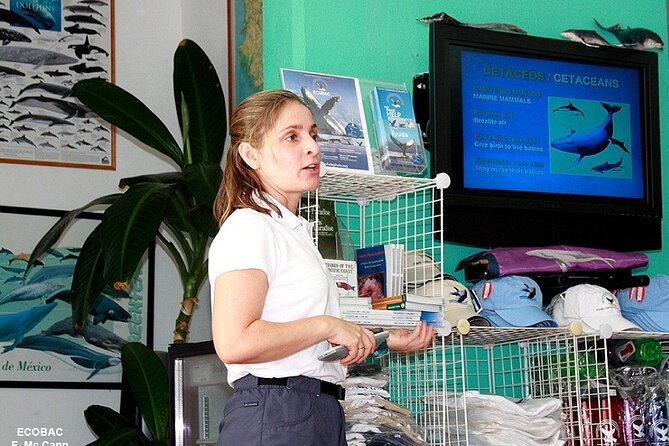
You start on land at Ecotours Vallarta, at the Dive ShopProa 20 address in Marina Vallarta. The session runs about 20 minutes and it’s where this tour earns its reputation. You’re not just getting tossed onto a boat and told to look left. You’re getting context first, which makes everything more satisfying once you’re out on the water.
This is also where you get the humpback basics: biology, ecology, and behavior. The guide uses a mix of talk and a video/lecture style presentation. That matters, because humpbacks can look “random” if you don’t know what you’re watching. With the right framing, the slow surface intervals start to feel purposeful instead of accidental.
One more practical detail I like: the office talk is short and focused. You spend time learning, then you move on quickly. No long waiting rooms, no drawn-out speeches.
And yes, the meeting point is specific and straightforward. You meet at Ecotours Vallarta (Proa 20), and you end back at the same place when the outing is done.
You can also read our reviews of more whale watching tours in Puerto Vallarta
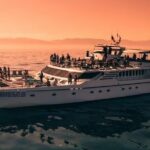
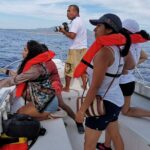
Marina Vallarta Boarding: quick transfer, restroom on board
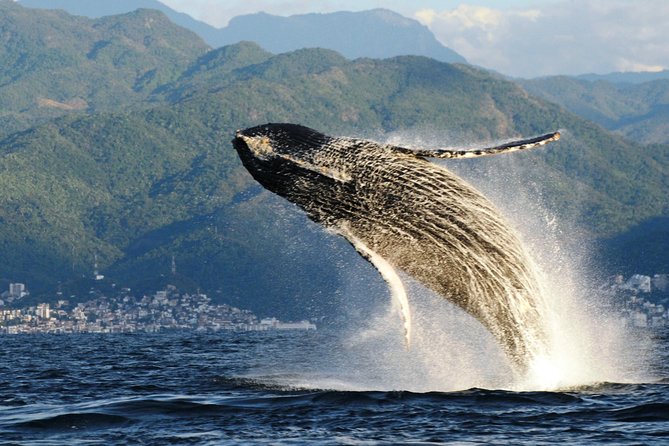
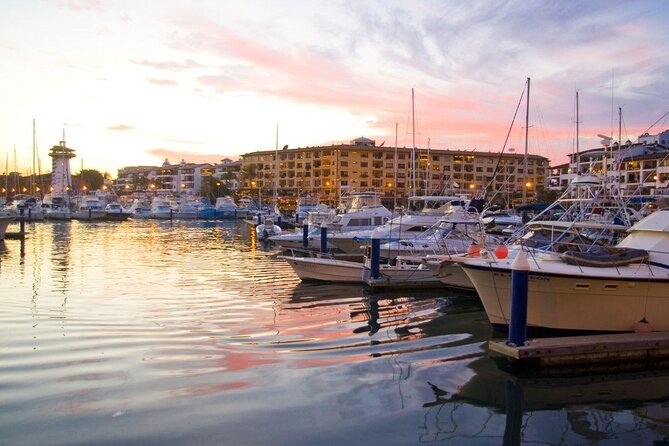
About 10 minutes into the flow, you move to Marina Vallarta for boarding and disembarking. This is one of those logistics that can make or break an early tour. When the process stays quick, you lose less daylight on the water.
The trip runs about 3 hours 30 minutes total, starting at 8:30 am. Morning is ideal for whale watching in this region because the light can be better for spotting, and the bay tends to be more manageable before the day heats up.
You’ll also be glad to know what’s provided for comfort. The included amenities are practical: coffee or tea, refilled water, a light bite, sodas, and granola bars. There’s also restroom access on board, plus travel insurance is included.
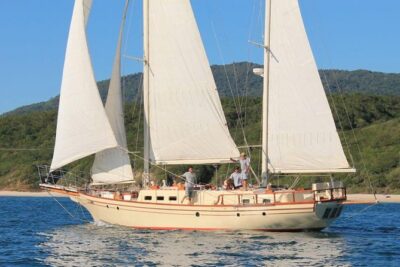
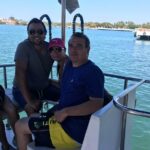
The boat setup is designed for viewing. In several accounts, people mentioned an open-sided layout with canopy overhead for sun protection. That mix is useful: you get sightlines, but you’re not fully baking in direct sun.
If you’re the type who hates surprises, here’s your heads-up: alcohol is not included. If you want drinks beyond sodas, you’ll need to plan that separately.
The hydrophone moment: hearing humpbacks like you’re in the water
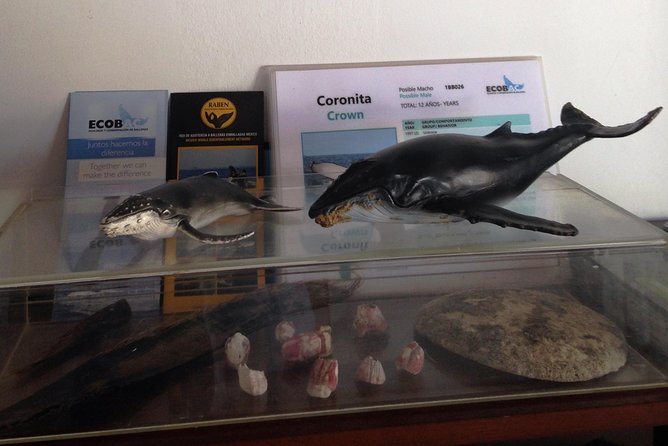
The star feature is the hydrophone system. This is not a gimmick. It’s a way to understand what humpbacks are doing underwater, even when they’re not close enough to explain with visuals alone.
A marine biologist-led lecture pairs the sound experience with biology. So when you listen to the vocalizations, you’re not just hearing noise. You’re connecting those sounds to what’s going on with humpback behavior and communication.
One of the most interesting parts is how the experience can sharpen your listening. People report that once the hydrophone is active, it becomes easier to recognize patterns. On some outings, people even said they could hear calls without the audio system at certain moments. That’s the magic of being alert in the right setting, even without perfect conditions.
Why this matters for you: whale watching can be frustrating when you only see surface blows and nothing more. The hydrophone fills in the gaps. You can still get value if whales aren’t breaching nonstop.
Also, the hydrophone experience tends to make the tour feel more “science-y” in a good way. It’s harder to switch off mentally when you’re actively listening to what the animals are doing.
What the biologist explains while you spot moms, calves, and male behavior
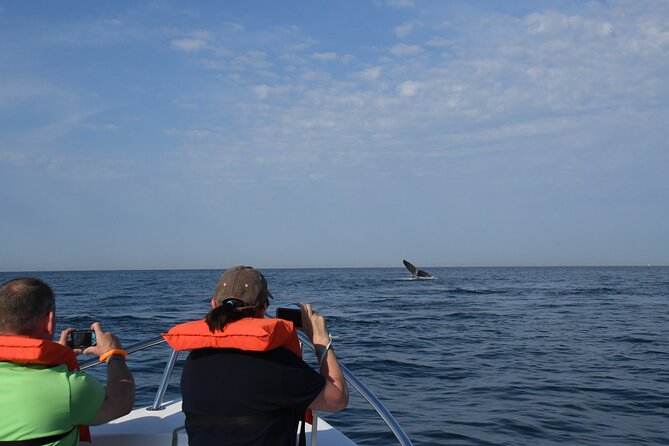
The pre-boat session is humpback-focused, but the real payoff comes when you connect the explanation to real sightings. The marine biologist guide ties behavior to what you’re seeing on the water.
What that can look like in practice:
- Moms and calves: you may notice the whales behaving in ways that look like careful movement around the water’s surface.
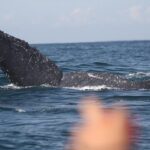
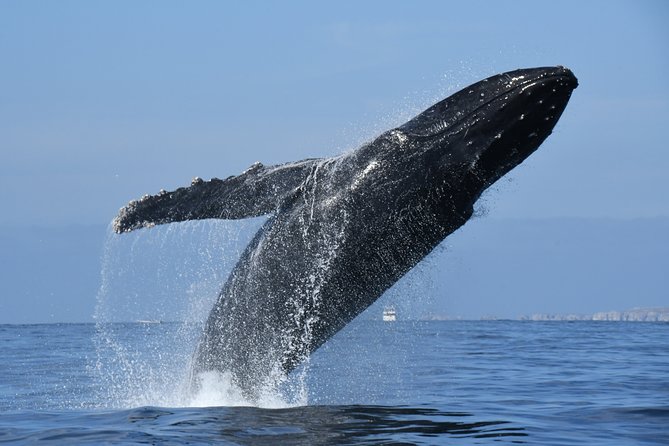
- Active behaviors like fluke slaps and breaching can make more sense when you understand the context the guide provides.
- Male communication and singing: this is often a highlight on humpback outings, and the guide’s talk helps you interpret why you’re hearing what you’re hearing.
Names of past guides you might meet include Francisco, Cynthia, Michael, and others. Regardless of the specific guide on your date, the structure stays the same: you get a framework, then the crew and captain work together to put you near the action.
The small-group setting (max 14) helps here too. With fewer people, it’s easier for the guide to answer questions and adjust the explanation to what the crew is spotting.
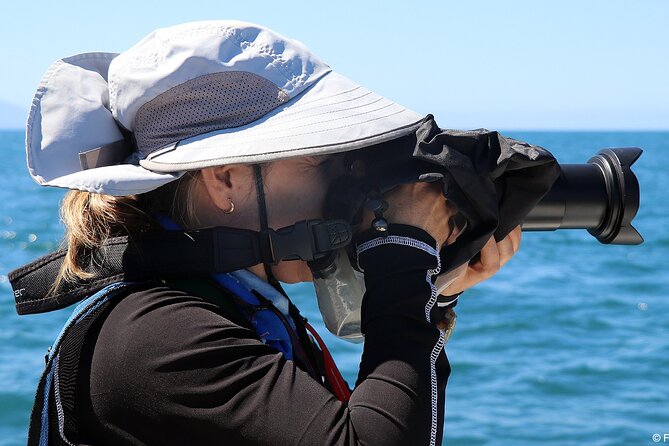
If you’re a photo person, the talk also helps you decide where to look and when. Instead of random camera clicking, you’re more likely to aim at the right spot for the right behavior.
The boat captain’s job: getting you to whales fast (and keeping it calm)
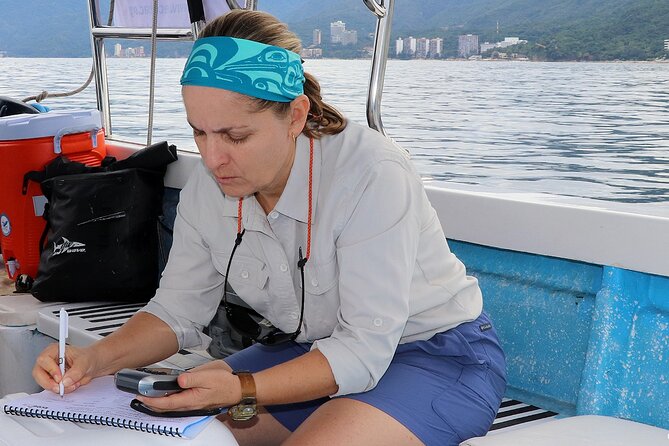
A marine biologist teaches you what to look for. The captain helps you find it.
In good whale watching operations, the captain’s skill is less about drama and more about judgment: where to go first, when to pause, and how to position the boat for viewing. Several accounts praised captains like Raphael and Rafael for getting to sightings quickly, then maneuvering the boat so you have clear sightlines.
This is where small-group touring pays off. With fewer people on board, the captain isn’t trying to manage a crowd’s shifting angles at once. The boat feels more stable and easier to settle into for long minutes of watching.
You’ll also want to watch the crew’s cues. When the guide points out a behavior or says listen now, that’s usually your moment. Humpbacks don’t perform on cue, but they do follow rhythms. The crew’s job is to recognize those rhythms and bring you into the right zone.
Practical note: the bay can be calm on some mornings and bumpy on others. If the water is rough, you’ll want to keep your expectations realistic. Even then, the hydrophone and guide’s talk keep the experience moving forward.






Included snacks, morning timing, and how to avoid common annoyances
This is a 3.5-hour outing that starts at 8:30 am. That timing is one of the best perks because you get your whale experience early without wasting your whole day.
On board, you get:
- Coffee or tea
- Refills on water
- A light bite
- Sodas and granola bars
- A guide and hydrophone system
- Restroom access on board
- Travel insurance
That’s genuinely useful. Whale watching tours often pack people with enthusiasm and forget the boring parts, like hydration. Here, you’re covered. The snacks are light enough to keep you comfortable if the water gets rough, which is exactly when heavy meals can be a problem.
Alcohol is not included, so if that matters to your group plan, bring it up before you go. Otherwise you’ll be stuck with soda choices.
Motion sickness deserves a quick mention. Some people reported feeling nauseous when the water was bumpy, and the crew had ginger available. If you’re prone to seasickness, it’s smart to eat lightly, stay seated, and consider bringing your own remedy too. Don’t wait until you feel sick.
Finally, pack sun protection. The boat can have sun overhead coverage, but you’re still in open-water conditions in Puerto Vallarta. Hat, sunscreen, and sunglasses go a long way.
Price and value: what you’re actually buying for your money
There’s no single price number provided here, but we can still judge value based on what you get and what you don’t.
The biggest “value engines” on this tour are:
- Marine biologist leadership with a lecture/video component
- Hydrophone whale listening, which many standard tours don’t offer
- Small group size (max 14), meaning more attention and less crowding
- Included food and drinks that keep you comfortable for 3.5 hours
- Travel insurance included
The not-so-hidden extra: there is a $5 boarding fee per person at Ecotours Vallarta. The office talk itself is ticket-free, but you’ll still want to factor in that boarding fee when you budget.
So the value logic is simple: you’re paying for more than just boat time. You’re paying for interpretation (biology + sounds) and a smoother experience (small group + snacks + water). If you want whales but don’t care about the science side, you might be able to find cheaper options elsewhere. If you want to understand what you’re seeing and hearing, this tends to feel like a fair deal.
Who should book this whale watching tour, and who should skip it
Book it if you want:
- A science-led whale experience, not just a scenic cruise
- The hydrophone whale-sound component
- A morning outing that doesn’t eat your whole day
- A small-group feel where you can ask questions and keep watching without being shoulder-to-shoulder
It may not be the best fit if:
- You get motion sick easily and don’t plan ahead
- You’re traveling with small kids who are very sensitive to boat conditions (children must be with an adult, and it’s not recommended for age 2 and under)
- You were hoping for alcohol on board (it’s not included)
Also keep in mind this is weather-dependent. Good conditions are required, and if it can’t run due to poor weather, you’ll be offered a different date or a full refund.
One more thing: this tour is offered in English, so if that’s important to you, you’re covered.
Should you book this Puerto Vallarta humpback tour?
If your goal is to hear humpbacks as well as see them, I’d book this. The hydrophone and the marine biologist-led briefing are the kind of upgrades that change the quality of the outing. Small groups help too, because attention and viewing matter on the water.
You should probably pass if your priority is a party atmosphere or you expect alcohol included. Also, be honest about seasickness risk. You can still have a great time in choppy water, but you’ll want to plan carefully.
If you’re choosing between generic whale cruises and this model, this one leans toward understanding and better listening. That’s exactly why it earns such consistent high praise.
FAQ
How long is the whale watching adventure?
It runs about 3 hours 30 minutes.
What time does it start, and where do I meet?
It starts at 8:30 am. You meet at Ecotours Vallarta / Dive ShopProa 20, Marina Vallarta, Puerto Vallarta.
Is the tour offered in English?
Yes, it is offered in English.
What’s included during the tour?
Included items are coffee or tea, refilled water, a light bite, sodas and granola bars, a professional guide, travel insurance, a restroom on board, and a hydrophone system plus a lecture about humpback whales.
What is not included?
Alcoholic beverages are not included. There is also a $5 boarding fee per person at Ecotours Vallarta.
Is it okay for children?
Children must be accompanied by an adult, and it is not recommended for child aged 2 and under.
What if the weather is poor or I need to cancel?
The experience requires good weather. If it’s canceled due to poor weather, you’ll be offered a different date or a full refund. For cancellations, you can cancel up to 24 hours in advance for a full refund; within 24 hours, refunds aren’t issued.