REVIEW · PUERTO VALLARTA
Puerto Vallarta: Humpback Whale Research Adventure Tour
Book on GetYourGuide →Operated by Ecotours Vallarta · Bookable on GetYourGuide
Seeing humpbacks never gets old. This one pairs real whale research with a hands-on boat outing, so you’re not just hunting for a good photo—you’re learning how the animals live and record what you see in Banderas Bay.
I especially like the educational session on humpback behavior before you leave shore. And once you’re out on the water, the tour adds whale sounds through a hydrophone, which turns a distant “maybe” into something you can actually hear and track.
One thing to think through: this is a boat day. If you’re prone to seasickness or you have back/mobility issues, the experience may not be comfortable, and it also isn’t listed as suitable for pregnant travelers.
In This Review
- Key Highlights You’ll Feel Immediately
- A Short Boat, Big Humpback Attention in Bahía de Banderas
- Getting Oriented at EcoTours Vallarta Before You Go Out
- The Pre-Boat Whale Lesson: What to Watch, and Why It Matters
- On the Water: Whale Watching Tactics and the Hydrophone
- Research Participation: Observing With Purpose (Not Just Curiosity)
- What Else You Might See Beyond Humpbacks
- Time on the Bay and Photo Opportunities
- Price and Value: Is $134 Fair?
- Who This Tour Fits Best (and Who Should Skip It)
- Practical Tips: Face Mask, Snacks, and Camera Timing
- Should You Book This Puerto Vallarta Whale Research Adventure?
- FAQ
- How long is the Puerto Vallarta humpback whale research tour?
- Where do I meet for the tour?
- Is the tour in English, Spanish, or both?
- What should I bring?
- Is a boarding fee included?
- What’s included in the price?
- Does the tour include whale sounds?
- Can I cancel for a refund?
- Is the tour suitable for young children or infants?
- Are pets allowed on the tour?
Key Highlights You’ll Feel Immediately
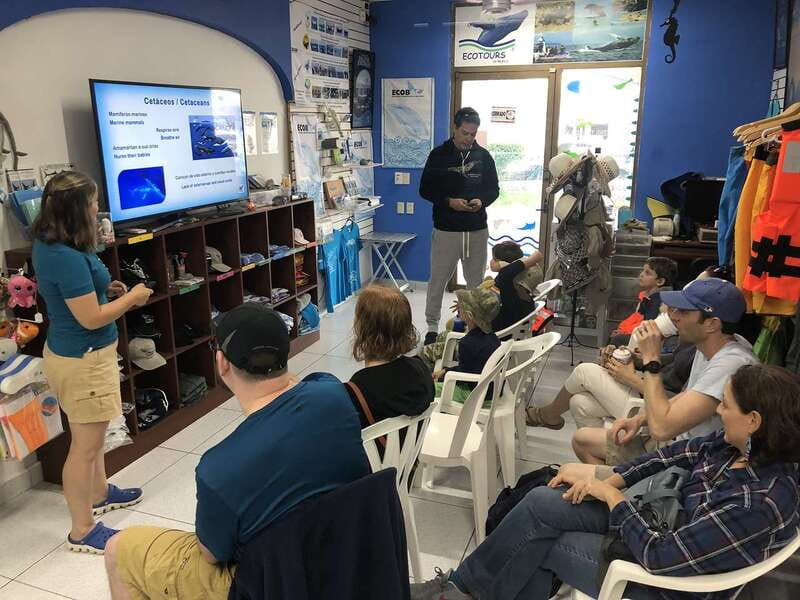
- Pre-boat briefing that explains what to watch for before you’re on the water
- Hydrophone listening so whale songs and other marine sounds come through clearly
- Research participation: you collect observation info for the project while spotting behavior
- Small authorized boat time (about 3.5 hours total) that keeps the experience focused
- Real-life sightings that can include moms and calves, plus dolphins, manta rays, and turtles
- Guides with strong whale focus using English or Spanish live interpretation
A Short Boat, Big Humpback Attention in Bahía de Banderas
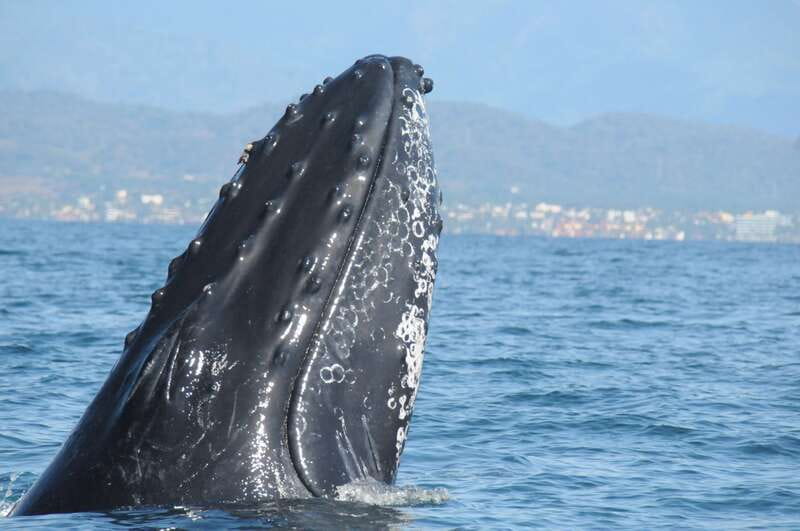
Puerto Vallarta’s whale season has a “wait for it” feeling. You drive yourself a little crazy scanning the water for spouts, shadows, and tails—then suddenly the day clicks. This tour is designed to help that moment land, because you start with context, not just binoculars.
The star of the show is humpback whales in Bahía de Banderas. This bay is where you can realistically see whales close enough to understand what they’re doing—breaching, swimming in groups, and moving as pairs or families.
You’ll also notice the tone of the trip. It’s not a party cruise. The pace and the way the guide talks make it clear this is about behavior, not just spectacle.
You can also read our reviews of more whale watching tours in Puerto Vallarta

Getting Oriented at EcoTours Vallarta Before You Go Out
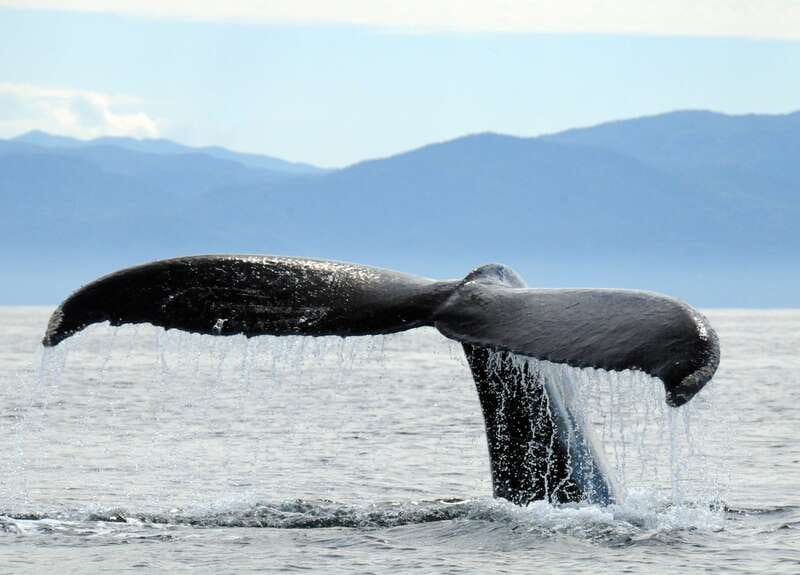
Meet at EcoTours Vallarta, at the end of Proa street, next to the ramp, in the office with a terrace. That setup matters because you’ll get your bearings before you’re on a moving boat.
From there, you’ll do an early office session to learn what you’re about to see. It’s one of those simple ideas that makes a huge difference: you stop guessing and start recognizing.
You’ll also get practical basics like coffee or tea, refilled water, and a light snack (including soda and granola bars). That small comfort is useful because the outing is long enough that you don’t want to go cold and hungry.
The Pre-Boat Whale Lesson: What to Watch, and Why It Matters
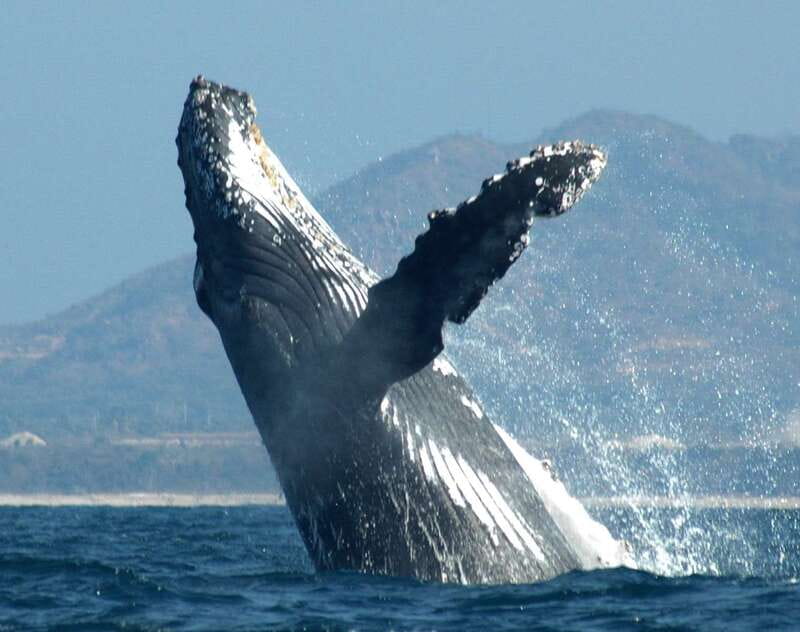
This tour doesn’t treat whales like scenery. The guide gives you an educational rundown right before you head out, explaining humpback life and behavior so your eyes know where to look.
I like this approach because whales have multiple “signals” that look similar at first glance. A spout is one thing, but what about a slow roll, a quick surface, or a group moving in the same direction? The lesson helps you connect what you see to what it probably means.
On the boat, you’ll also use that learning immediately. The guide calls out behavior while you’re searching—so you’re constantly turning information into real-world observation.
And depending on the day, you may be guided by different experts. Names that show up in the tour’s past crew include Michael and Maggie for whale explanation, and captains like Martin or Gabriel for spotting and getting you into position. It’s a good sign when both parts of the team focus on the same goal: respectful, informed whale watching.
On the Water: Whale Watching Tactics and the Hydrophone
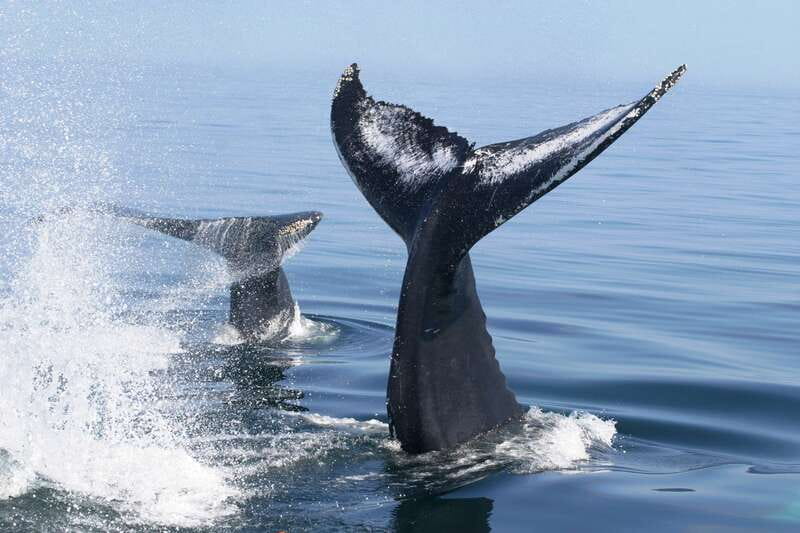
Once you board the small authorized boat, the tour shifts from classroom to fieldwork. You’ll set out on the ocean and start searching around Bahía de Banderas, with the guide actively talking through whale behavior as you try to spot them.
The mechanics here are straightforward. You’ll scan, look for signs, and wait for the whales to surface in a way you can interpret. The best part is that you’re not doing it alone—you get ongoing guidance as sightings come and go.
Then comes the feature that makes this stand out: a hydrophone. You listen to whale songs and other marine mammal sounds through the boat equipment. Even if you’re not an expert in whale calls, it changes the outing from visual-only to audio plus visual. You start to “hear” what you’re seeing.
That matters for two reasons. First, whale song can help you stay connected to what’s happening even when the surface activity is brief. Second, it gives you a better sense of why scientists care about these patterns in the first place.
Research Participation: Observing With Purpose (Not Just Curiosity)
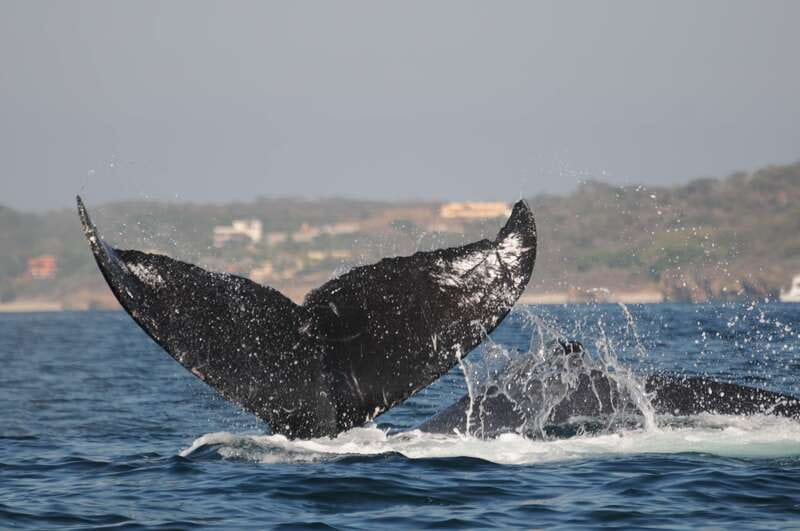
This tour includes a donation to a humpback whale research project, and it also gives you a chance to participate in the work while you’re on the water. You’ll collect observation information that supports the office’s research efforts.
That turns whale watching into something more grounded. Instead of feeling like you paid for a chance to see something rare, you’re contributing to a real program that monitors behavior patterns.
The tour also emphasizes what’s going on socially within groups—mothers and calves, and groups of whales moving together. When you connect behavior to family or group dynamics, the whole experience feels more meaningful. It’s less like sightseeing and more like learning how humpbacks use this bay.






What Else You Might See Beyond Humpbacks
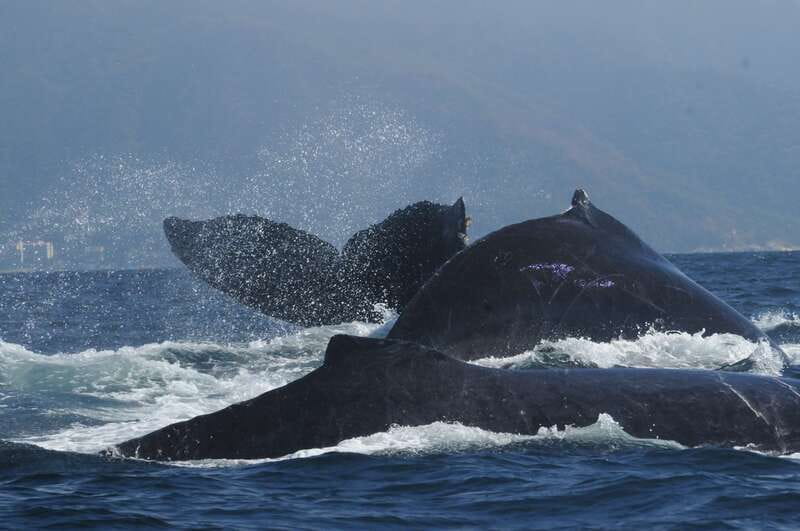
Humpbacks are the headline, but the bay can offer more. Your outing is built around marine wildlife viewing, and it’s possible to see dolphins, manta rays, and sea turtles along the way.
In practice, this means you’re not stuck waiting for one species only. When the guide calls out something else on the surface, you can shift your attention without feeling like the day is failing to deliver.
It’s also a reminder that this is an ecosystem tour, not a single-animal show. You’ll spend your time in a living system where different animals share the same waters.
Time on the Bay and Photo Opportunities
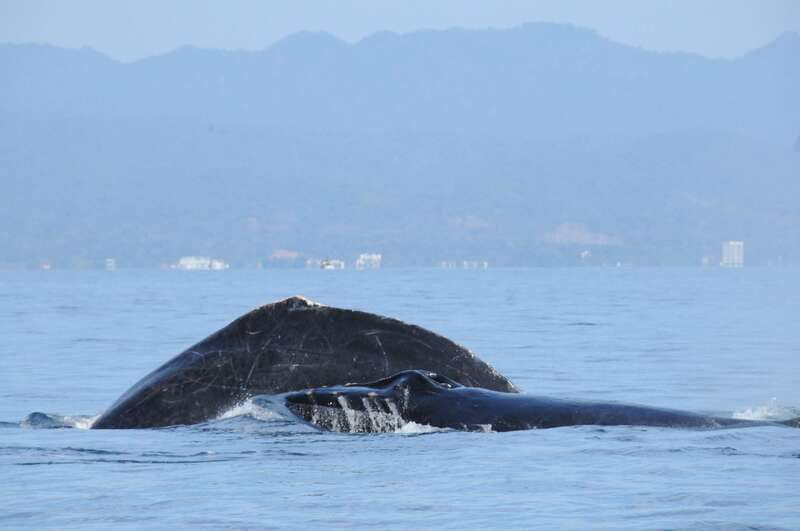
You’ll spend about 3 hours exploring Bahía de Banderas. That’s long enough for multiple searches and re-positioning, but not so long that the experience turns into endurance.
There’s also time for a photo stop and guided sightseeing while you’re out. The captain and guide’s main job is spotting whales and keeping you in the right place for safe, appropriate viewing, but they also aim to give you moments where you can capture what you’re seeing.
If you’re hoping for dramatic behavior like a breach, you’ll want to be ready for sudden action. Whales don’t schedule themselves, so the trip’s value is in the waiting—with good instruction so the waiting feels productive, not random.
Price and Value: Is $134 Fair?
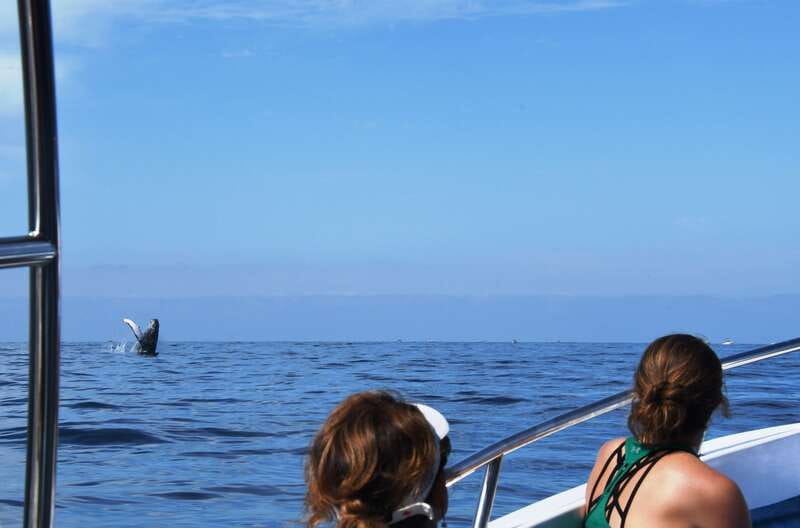
At $134 per person for about 3.5 hours, you’re paying for a mix of things that don’t always come together at sea: expert-led interpretation, a small authorized boat outing, and participation tied to research.
Here’s how I judge value for this kind of tour:
- You get an office educational session before leaving, not just a “go look for whales” script.
- The hydrophone listening is included, which upgrades the experience beyond basic viewing.
- You get practical comforts: coffee or tea, refilled water, and a light snack.
- There’s a built-in donation to the humpback whale research effort.
What’s not included is a boarding fee (mx$ 80 pesos). Plan for that extra cost so it doesn’t feel like a surprise at the dock.
Also note you don’t get hotel pickup and drop-off. That means you should factor in your own transport to the EcoTours Vallarta meeting spot near the ramp.
Overall, if you want whale watching that’s guided, educational, and connected to research, this price starts to make sense quickly.
Who This Tour Fits Best (and Who Should Skip It)
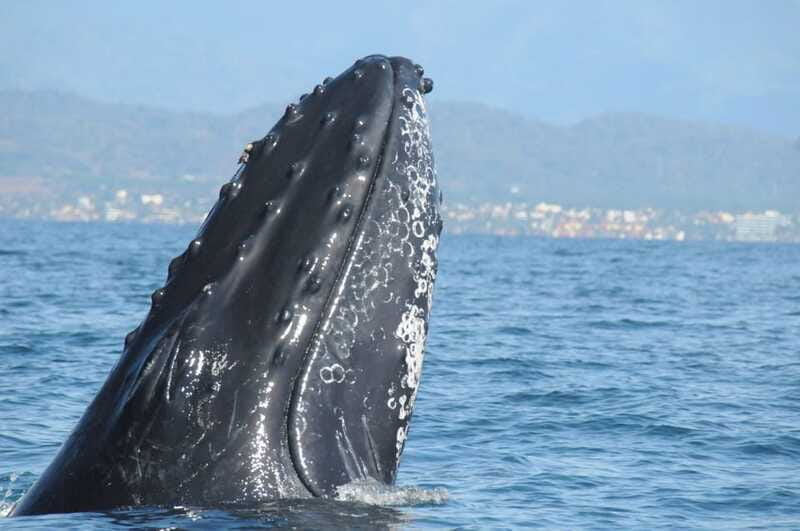
This tour is a strong match if you want to learn humpback behavior and you’re comfortable being on the water for the full outing.
It may work well for older kids and families who can follow instructions and stay attentive. One family experience described a great time for kids around 11 and 13, largely because the education portion helped them understand what they were seeing.
It’s not suitable for:
- Children under 3 years
- Pregnant women
- People with back problems
- People with mobility impairments, wheelchair users
- People prone to seasickness
- People with recent surgeries
- Babies under 1 year
So if you’re someone who gets motion sick easily or you have physical limitations that make boat movement risky, I’d treat that as a deal-breaker—not a minor detail.
Finally, pets aren’t allowed, so leave Fido with a sitter.
Practical Tips: Face Mask, Snacks, and Camera Timing
You’ll want to bring a face mask or protective covering. It’s listed as required, so don’t plan to borrow one at the dock.
Dress for a boat outing. Even in warm weather, you can get wind exposure. Wear something you can move in and that won’t restrict you while you’re searching and listening.
If you bring a camera, keep expectations realistic. You’re on a moving boat, and whales don’t always do the dramatic move on cue. The best photos often come when you stay steady during the guide’s tracking and you don’t panic-snap every time the water looks busy.
And give yourself permission to look without always filming. With the hydrophone feature, part of the magic is listening. If you spend the whole time staring through a screen, you’ll miss half the soundtrack.
Should You Book This Puerto Vallarta Whale Research Adventure?
I’d book this tour if you want three things at once: humpback whale sightings, an educational guide-led experience, and a day that connects your observations to an actual research project. The hydrophone listening and the pre-boat lesson are the two features that make it feel more complete than a standard “spot whales and go home” outing.
I’d skip it if:
- You’re prone to seasickness
- You have physical constraints that make boat movement difficult
- You want a purely relaxed sightseeing cruise with zero focus on observation and instruction
If those boxes work for you, this is a solid way to spend a half-day in Puerto Vallarta—one where you come back with more than memories. You’ll come back understanding what you saw and why it matters.
FAQ
How long is the Puerto Vallarta humpback whale research tour?
The tour duration is 3.5 hours total, with about 3 hours out exploring Bahía de Banderas.
Where do I meet for the tour?
You meet at the EcoTours Vallarta office at the end of Proa street, next to the ramp, in the office with a terrace.
Is the tour in English, Spanish, or both?
The live tour guide is available in English and Spanish.
What should I bring?
Bring a face mask or protective covering.
Is a boarding fee included?
No. There is an additional boarding fee of mx$ 80 pesos.
What’s included in the price?
Included items are a donation to the humpback whale research project, 3.5 hours on a small authorized boat, coffee or tea, refilled water, a light snack (sodas and granola bars), an expedition leader, and travel insurance.
Does the tour include whale sounds?
Yes. You can listen to whale or other marine mammal sounds through the boat’s hydrophone.
Can I cancel for a refund?
Free cancellation is available up to 24 hours in advance for a full refund.
Is the tour suitable for young children or infants?
No. It’s not suitable for children under 3 years, and babies under 1 year.
Are pets allowed on the tour?
No, pets are not allowed.