REVIEW · PUERTO VALLARTA
3 Hours of Whale Watching in Puerto Vallarta
Book on Viator →Operated by Travel Vallarta · Bookable on Viator
Whales feel real only when they show up. This Puerto Vallarta trip runs out from Los Peines toward Nayarit, cruises inside the Bay of Banderas, and stays focused on getting sightings—without crowding the animals.
I like the no-nonsense setup: you meet, get your life vest and bottled water, then the whale guide helps you spot what matters. I also like the small-group feel (max 18), which makes the whole ride easier to manage when the captain starts scanning for blows.
One thing to consider: timing and comfort can vary. Some boats feel more like a ride than a long guided cruise, with limited shade and salt spray in the mix.
In This Review
- Key things I’d plan around
- Leaving Los Peines: what this whale watch day feels like
- The Bay of Banderas whale search: how sightings usually happen
- Nayarit-side cruising: why the route matters
- Getting in and out: meeting point and timing reality
- What’s included (and what you should still bring)
- The group size: why it changes your whale-watching experience
- English on board: communicate well without overthinking it
- Comfort and boat conditions: the main trade-offs
- Price and value: is $55 fair for 3 hours on the water?
- Who should book this whale watching trip?
- If you’re coming from a cruise: plan for port timing
- My take: should you book this whale watch in Puerto Vallarta?
- FAQ
- Where is the meeting point for the whale watching tour?
- How long is the whale watching experience?
- How much does it cost, and what’s the port tax?
- What is included in the price?
- Is the tour in English?
- What is the cancellation window?
Key things I’d plan around
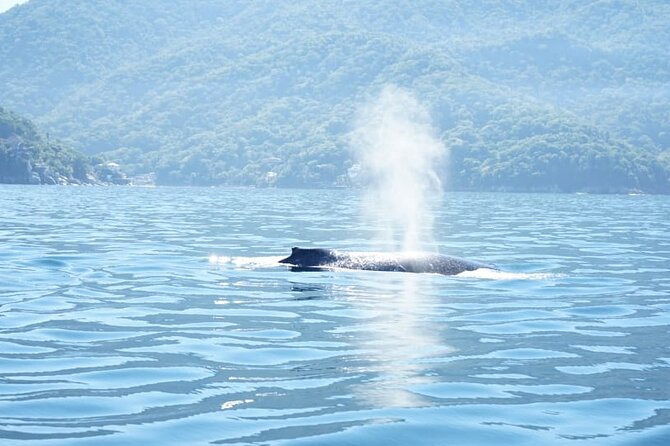
- Bay of Banderas search inside the water zone: you look for whales in the bay area and keep a respectful distance once spotted
- Small group (max 18): less chaos when you’re all turning your heads at once
- Life vest + bottled water included: practical basics for a sea day
- English is offered, but crew language can vary: you may still hear mostly Spanish from the boat team
- Port tax can apply ($39 pesos): factor that into your budget unless you’re arriving by cruise ship
Leaving Los Peines: what this whale watch day feels like
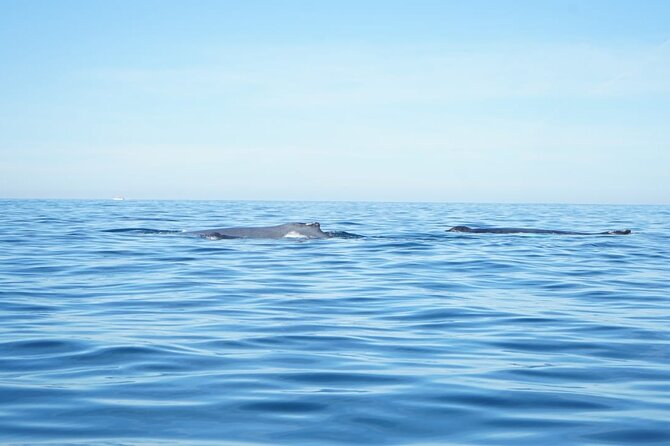
This is a 3-hour whale watching run that starts at Los Peines, Isla Iguana (48335 Puerto Vallarta). You’ll board at the marina, get a life vest on before heading out, and then the boat leaves toward Nayarit to search within the bay.
The vibe is simple. You’re not sitting through long lectures; you’re out there, watching. That works for most people because whale watching is one of those activities where you want time on the water, not time waiting for someone to talk.
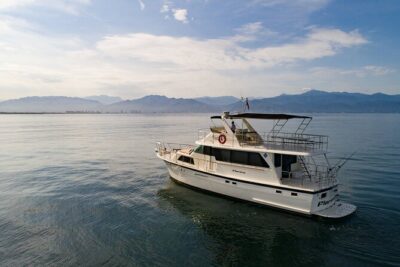
Also, you’ll be spending time on a boat. Even if whales are the main goal, your comfort setup matters. The reviews include comments about salt spray and limited shade, which tells you to dress and pack for real marine conditions—sun, wind, and splashes.
You can also read our reviews of more whale watching tours in Puerto Vallarta

The Bay of Banderas whale search: how sightings usually happen
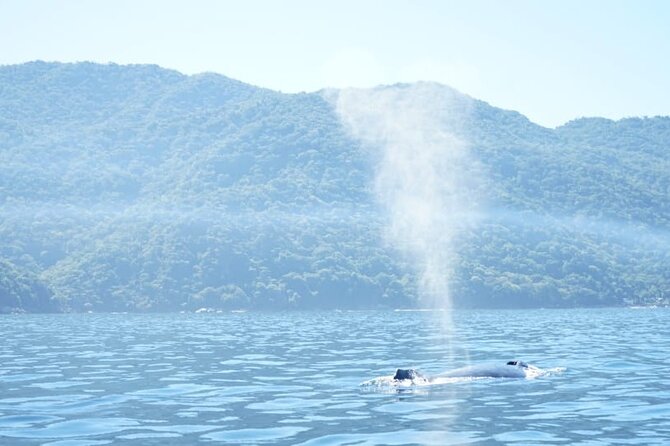
Your main stop is the Bay of Banderas. Once the boat leaves the marina, you’re scanning as you travel. When whales are located, the crew shifts from “moving around” to “hold position and watch.”
A few practical points you can use:
- Don’t expect constant action. Whale watching often means cruising and scanning, then slowing down when something shows up.
- Once you see spouts/blows, watch behavior—not just the surface. The best moments are usually when whales change pace, surface in a pattern, or interact in ways you can follow with your eyes.
- Respect the space. The trip is designed to give the whales their due distance when sightings happen, which is good for wildlife and usually better for the long-term chances of additional sightings.
From the feedback, some groups saw multiple whales during the outing, including a mother and calf pair. That kind of sighting can happen when you’re in the right area at the right time—and when the captain keeps searching instead of calling it early.
Nayarit-side cruising: why the route matters
The ride takes you toward Nayarit as you look for whales. That detail matters because whale watching isn’t random. The captain’s ability to find the animals comes down to where the boat spends time and how they read the water.
You also get the benefit of being out on a working bay with real coastal views. One of the reviews mentioned seeing Los Arcos and getting at least a bit of time for hiking and beach time. That doesn’t appear as a guaranteed formal stop in the basic flow, but it’s a good sign that some departures may include scenic value beyond just spotting whales.
Even if your trip stays strictly on the water for all 3 hours, you’ll still likely experience it as a coastal cruise with frequent scanning.
Getting in and out: meeting point and timing reality
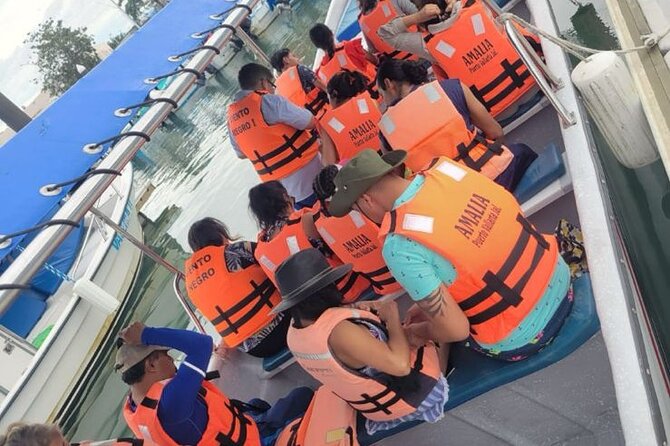
You’ll meet at Los Peines, Isla Iguana and the activity ends back at the meeting point. That’s straightforward. No complicated transfers, no multiple dock hops.
The timing piece is where you should keep your expectations grounded. The trip is listed as about 3 hours, but one review described returning later than hoped and another said they were late getting back. On the flip side, there were departures that still felt successful because they did find whales.
My advice: treat the schedule as a guide, not a promise. If you’re stacking this with other plans the same day, leave a buffer. If you’re on a cruise, the port logistics can get messy fast when docking runs late.
What’s included (and what you should still bring)
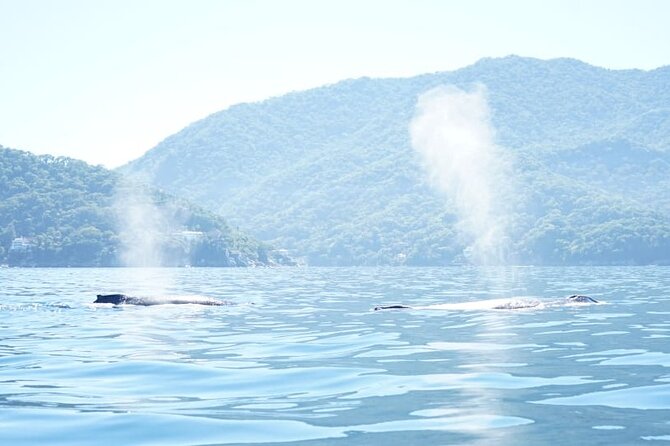
The tour includes:
- Life vest
- Bottled water
- Whale guide
That’s solid value because it covers the basics that keep you safe and hydrated without forcing you to guess what you’ll need at the marina.
Still, a few items are smart to bring:
- Sunscreen + hat + sunglasses (the sun on the water can be intense)
- A light layer for wind chill
- Motion-sickness help if you’re sensitive (boats can roll and stop-and-go scanning can make it feel more active)
- A backup water/quick snack, just in case the “bottled water included” moment gets overlooked on a hectic boarding day
One review said they were promised a bottle of water but wished it had been provided. The trip lists bottled water as included, so it should be there—just don’t rely on “perfect service” as your plan.
You can also read our reviews of more tours and experiences in Puerto Vallarta




The group size: why it changes your whale-watching experience
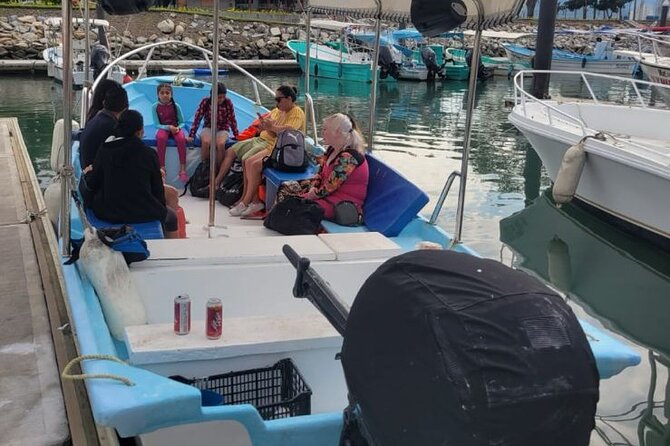
This activity runs with a maximum of 18 travelers. That matters because whale watching can turn chaotic quickly: everyone leans at the rail, phones go up, and the moment whales surface, you want to see without fighting elbows.
A small group also tends to make it easier for the whale guide to point out what’s happening and keep things moving when whales show up.
If you’re the kind of traveler who gets frustrated by big crowds, this setup is a plus. You’ll likely spend more time actually watching and less time doing crowd math.
English on board: communicate well without overthinking it
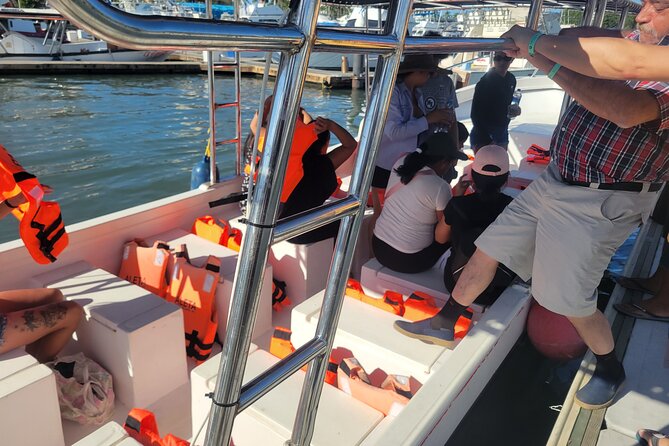
The experience is offered in English. That’s a great starting point, especially if you want to understand what the guide is saying about whale behavior.
But one review also noted that someone who spoke Spanish made communication easier with the captain. Translation can vary by day and by who’s working your boat.
So here’s the practical move: bring curiosity, not perfection.
- If English support is limited, a whale guide (and your own spotting skills) can still carry the experience.
- A few simple Spanish phrases—like asking where to look or what the whale is—can help if you end up hearing more Spanish than English.
You don’t need to be fluent. Just be ready to point, watch, and ask.
Comfort and boat conditions: the main trade-offs
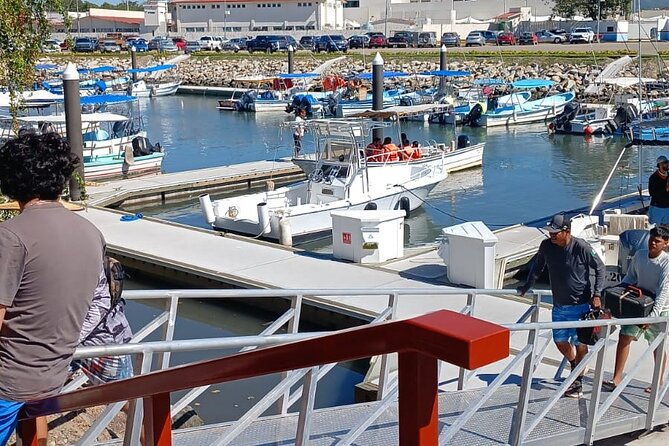
Let’s talk straight about comfort because it affects whether you’d do this again.
Based on feedback, the boat can be small, with:
- Limited shade
- Salt spray
- Constant sun exposure
You might also feel like the outing is more like a ride plus scanning than a deeply narrated tour. That’s not automatically bad. It’s actually how a lot of whale watching works. But if you want a long, guided, sit-and-learn experience, you may find this has fewer “onboard classroom” moments.
The other trade-off is the biggest one in whale watching: no sighting is possible. One review described not seeing whales at all. That’s rare when conditions line up, but it’s part of the reality. If whales are your must-do, you’ll want realistic expectations and a positive mindset.
Price and value: is $55 fair for 3 hours on the water?
At $55 per person for about 3 hours, this isn’t an expensive whale watch compared to many coastal tours. The key question is what you’re paying for—and here you’re paying for time on the water plus the basics:
- life vest
- bottled water
- a whale guide
That bundle is where the value shows up. You aren’t paying extra just to be able to safely go out and stay comfortable.
One additional cost can pop up:
- Port tax: 39 pesos, unless you arrive on a cruise ship, in which case you pay no tax.
So when you calculate true cost, add the port tax if it applies to you. Still, even with that, the price often lands in the “worth it” zone because whales (when you find them) are the whole point of the day—and the outing stays focused on searching within the bay.
Who should book this whale watching trip?
This fits best if you:
- want a practical 3-hour whale watch with a guide and small-group feel
- enjoy being on the water and scanning for animal movement
- prefer “go find whales” over a long lecture-style tour
- are comfortable with sun and salt spray (or you pack accordingly)
It may not be the best match if you:
- need lots of shade and a very cushy boat ride
- want a tour heavy on guided commentary all day
- can’t handle the risk of not seeing whales
If you’re coming from a cruise: plan for port timing
If you’re on a cruise ship, be ready for delays. One account described a late docking and a call from the booking platform, with arrangements made for a smaller boat to pick them up with another couple. The good news: they still found whales. The lesson: don’t assume the day will run exactly on schedule when ships are involved.
Your best move is to stay flexible, keep your phone handy, and be at the meeting point ready to go the moment the crew calls.
My take: should you book this whale watch in Puerto Vallarta?
If your priority is real time on the water for a reasonable price, I think this is a good booking. The small group size, life vest, whale guide, and bay-focused search are all the right building blocks for an experience that can pay off fast—especially if you can accept that whale watching is never 100% guaranteed.
Just go in with the right mindset:
- bring sun protection and a layer for wind
- budget for port tax if you’re not on a cruise
- expect scanning time, then a burst of action when whales show up
If whales are a “someday maybe” wish, you could also consider other options with different boat comfort levels. But for many first-timers, this one hits the sweet spot: simple, focused, and priced like it respects your travel budget.
FAQ
Where is the meeting point for the whale watching tour?
The meeting point is Los Peines, Isla Iguana, 48335 Puerto Vallarta, Jal., Mexico, and the activity ends back at the same location.
How long is the whale watching experience?
It runs for about 3 hours.
How much does it cost, and what’s the port tax?
The tour price is $55.00 per person. There is also a port tax of 39 pesos unless you come on a cruise ship, in which case you pay no tax.
What is included in the price?
The tour includes a life vest, bottled water, and a whale guide.
Is the tour in English?
English is listed as available for the experience. You may still hear a mix of languages on the boat depending on the crew.
What is the cancellation window?
You can cancel for a full refund up to 24 hours before the experience’s start time. If you cancel less than 24 hours before, the amount paid isn’t refunded.