REVIEW · PUERTO VALLARTA
Chocolate and truffles workshop
Book on Viator →Operated by ChocoMuseo Puerto Vallarta · Bookable on Viator
Chocolate changes when you make it.
This ChocoMuseo workshop in Puerto Vallarta is a smart break from the beach: you get museum context on Mexican cacao, then you roll up your sleeves and assemble ganache-filled chocolates you can actually take home. I especially like that the class is small (max 8), so the guide can slow down, explain tempering and mixing, and help you make choices on flavors and add-ins. One thing to consider: you may spend a lot of the session seated on stools while molds set and your team works at different steps.
If you hate standing around, plan around “wait time.”
The hands-on parts move in phases, so there can be stretches where you sit and watch chocolate work out on the table. Still, most of the reviews paint a consistent picture: you leave with a pile of chocolates (often close to two dozen pieces, sometimes more), and the instructor energy helps the time fly.
In This Review
- Key things to know before you go
- ChocoMuseo in Puerto Vallarta’s Centro: What You’re Really Joining
- The 2-hour flow: what happens once the class starts at 10:30
- Making ganache, bonbons, and truffles (the part your hands will remember)
- A practical note about the setting
- The museum story: cacao history you can taste
- What you take home: the real value is the edible souvenirs
- Price and value: is $62.90 actually fair?
- Logistics that can trip you up (and how to avoid it)
- Who should book this chocolate workshop in Puerto Vallarta?
- Should you book the Chocolate and Truffles workshop?
- FAQ
- What is the price of the Chocolate and Truffles workshop?
- How long is the workshop?
- What time does it start in Puerto Vallarta?
- Where do I meet for the workshop?
- What is included in the workshop?
- How do I get to the museum?
- What do I make during the class?
- Can I take the chocolates home?
- Is the class offered in English?
- What should I do if I want to cancel?
- How many people are in the group?
Key things to know before you go
- Small group (max 8): easier questions, more hands-on attention.
- Museum + making: cacao history comes with real, edible results.
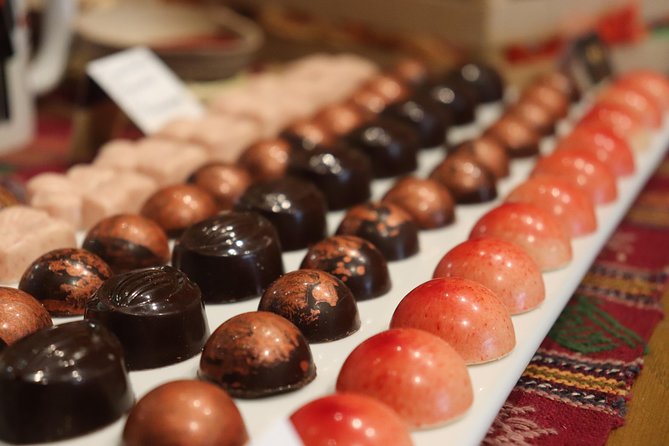
- You build ganache and chocolates: filled bonbons and truffles, not just tasting.
- Flavor choices: you can customize with options like cinnamon and liqueurs such as amaretto.
- Take-home haul: many people leave with enough treats for days.
- 10% off factory outlet: a perk for buying extra chocolate after class.
ChocoMuseo in Puerto Vallarta’s Centro: What You’re Really Joining
ChocoMuseo Puerto Vallarta is in the city center, at Josefa Ortiz de Domínguez 128, Centro. For many visitors, that location matters more than it sounds. You can tack it onto an easy day of walking, rather than building the whole schedule around a far-flung activity.
What makes this place feel different from a basic cooking demo is the mix of education and production. You’re not only learning how chocolate is made; you’re learning why it behaves the way it does. That’s especially helpful for you if you’ve never worked with chocolate before. When someone explains cacao processing, then helps you with ganache and tempering, the steps make sense instead of feeling like random instructions.
And yes, the “museum” part is more than decoration. People consistently mention learning how cacao is harvested before grinding and how powder + cream turns into dark chocolate. Even if you’re not a total chocolate nerd, you’ll get enough context to make your creations feel meaningful.
You can also read our reviews of more tours and experiences in Puerto Vallarta
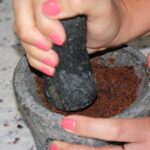
The 2-hour flow: what happens once the class starts at 10:30
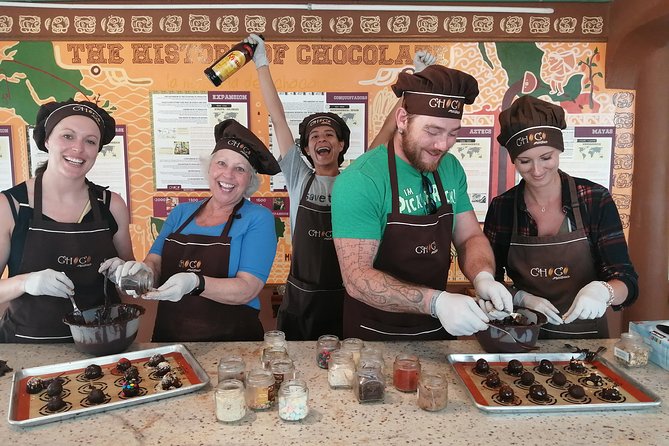
The session runs for about 2 hours, starting at 10:30 am. It’s a compact format, so you’ll move through the key parts without wasting the day.
Here’s the rhythm you can expect:
- You meet your guide at the Centro address and get set up.
- You get a short guided intro to cacao and chocolate, tied to the skills you’ll use next.
- You make ganache-filled chocolates and truffles.
- You move between steps while things set and harden.
- You end back at the meeting point with your finished chocolates to take away.
Because the group is capped at 8, the guide can actually respond to questions, not just push everyone through. Many reviews call out instructors like Rod/Rodrigo, Zoar, Rocky, and others by name, and the common thread is clear: they slow down when needed and keep the vibe fun.
Making ganache, bonbons, and truffles (the part your hands will remember)
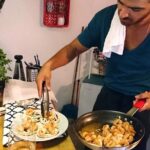
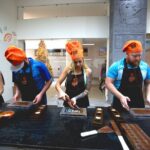
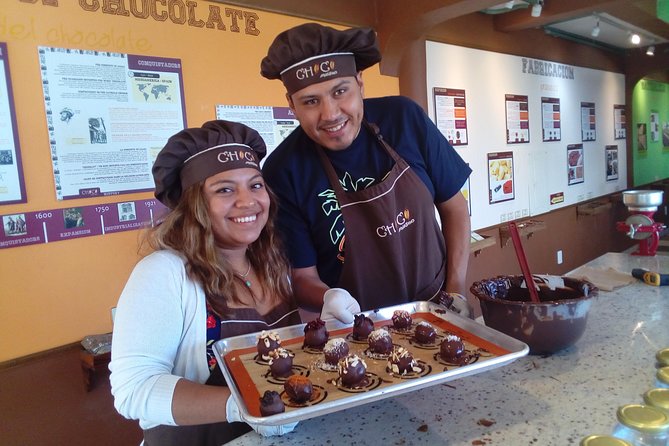
This is a hands-on workshop, so you should expect a real workload. You’ll work with dark chocolate, ganache, and toppings—plus you’re provided the tools for the session, including an apron, hat, and chocolate mold.
The core menu usually focuses on:
- Filled chocolate bonbons using flavored ganache
- Chocokate truffles (truffles with choices in flavoring and add-ins)
One reason this class gets high marks is that it isn’t just mixing something once and waiting. Reviews describe multiple stages, including working on ganache, shaping or molding, and the chocolate-timing that makes or breaks the finish.
You’ll also get customization options. Reviews mention choices like:
- Flavor powders such as cinnamon
- Small amounts of liqueurs like amaretto
That matters because it makes the workshop feel personal. You aren’t just producing the same chocolate every time; you’re building flavors you’ll actually want to eat later.
A practical note about the setting
One review specifically points out that you should be prepared to sit for long stretches on stools. If you’ve got stiff knees or back issues, consider bringing a cushion (or choose a chair spot early, if there’s a layout). The class works better when you’re comfortable enough to focus while molds set.
The museum story: cacao history you can taste
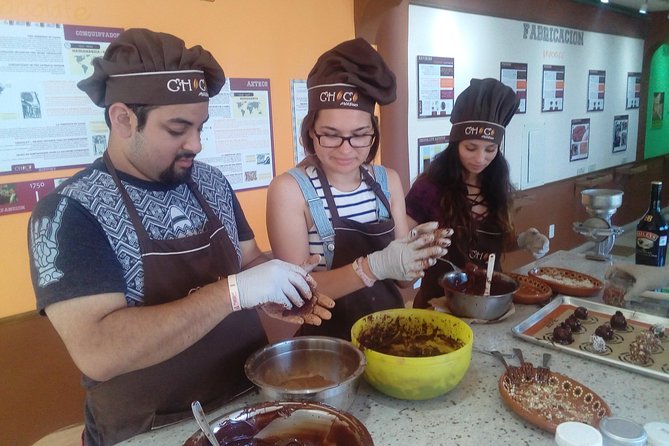
The education piece isn’t a separate lecture you endure. It’s tied directly to the steps in front of you, which is why people keep mentioning it as a standout.
You’ll learn about:
- Cacao processing before grinding
- Turning cacao into chocolate by combining powder with cream
- How different flavors affect the final chocolate experience
- The basic logic behind chocolate making steps like tempering and mixing (at a level you can use immediately)
This is also a good fit if you’re traveling with kids. The museum content gives structure, while the hands-on chocolate work gives the payoff.
And if you’re the adult in the group who secretly wants to understand tempering instead of just surviving it, this workshop doesn’t talk down. Reviews highlight instructors who explain patiently and answer questions clearly—especially people like Rod/Rodrigo and Zoar, who get named repeatedly.
You can also read our reviews of more tours and experiences in Puerto Vallarta


What you take home: the real value is the edible souvenirs
Here’s where the value math gets interesting.
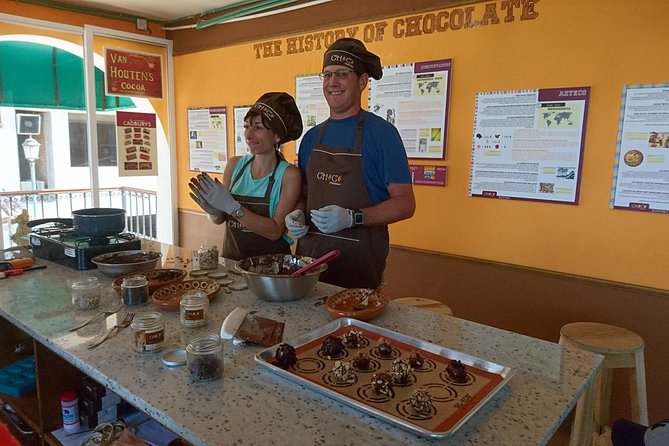
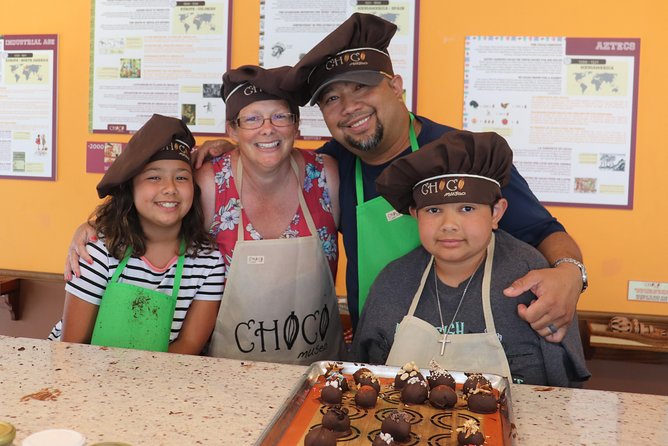
You’re not leaving with a small sample. Multiple reviews say you take away everything you make, with people noting they left with nearly two dozen chocolates, and in at least one case, so many chocolates that the person was still eating dozens days later.
That matters for you because $62.90 is easier to justify when:
- You get guided instruction
- You receive ingredients, tools, and a place to work
- And you leave with a box of edible results
A chocolate workshop can turn into an expensive tasting class if the output is tiny. This one doesn’t seem to do that. The take-home portion is part of the design.
Also, the workshop includes a 10% discount at the on-site factory outlet. Even if you don’t buy anything, it’s a nice nudge. If you discover you love a particular style (or just want a restock for gifts), that discount can stretch your budget.
Price and value: is $62.90 actually fair?
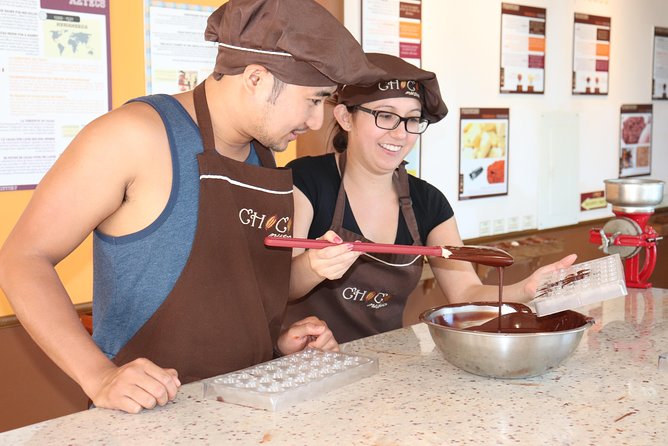
At $62.90 per person for about 2 hours, the price looks reasonable only if the workshop delivers more than a show-and-tell.
In this case, it does. Here’s what’s included:
- A tour guide during the session
- Dark chocolate, ganache, and toppings
- Apron, hat, and chocolate mold for the duration
You also walk away with chocolates you made yourself, and many participants describe the overall experience as fun, informative, and worth the money.
So for value, I’d look at it like this:
- If you want an activity you’ll remember (not just a museum ticket), this works.
- If you’re a chocolate person, you’re getting edible output, not just education.
- If you’re traveling as a group, small-group attention is part of the price you’re paying for.
The main “cost” to you beyond money is time and focus. The session asks you to participate, sit through setting times, and follow steps. If you’re the type who hates hands-on cooking, it might feel like more work than fun. But if you like making things—even messily—this is exactly the right kind of challenge.
Logistics that can trip you up (and how to avoid it)
This workshop is simple, but two details matter.
First: transportation isn’t included. The tour description doesn’t include getting you to and from the museum, so plan your own ride, walk, or local transit. The location is central and near public transportation, but you’ll still want to show up on time.
Second: the session size is limited—up to 8 travelers. That small number is part of why the class gets such strong feedback. It also means punctuality matters more than it would for a large group.
If you’re coming by taxi or rideshare, give yourself extra buffer to find the meeting spot in Centro. Some people get caught by street-level confusion in downtown areas. If you arrive early, you’ll reduce stress and get the best start.
And yes, the workshop uses a mobile ticket, and you’ll receive confirmation at the time of booking.
Who should book this chocolate workshop in Puerto Vallarta?
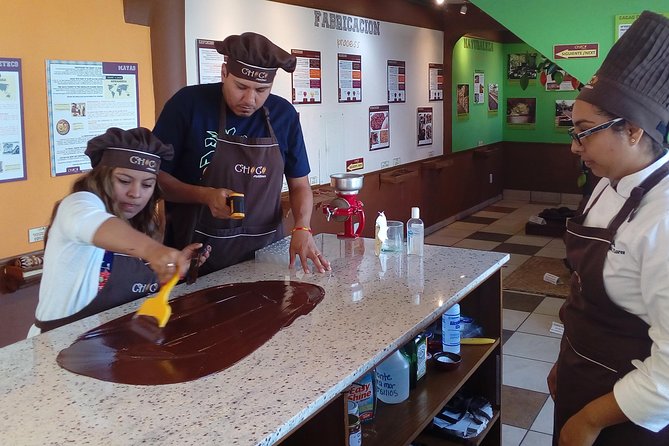
This class is a strong choice for:
- Families who want something engaging indoors that still feels like a real experience
- Couples looking for a shared activity that leads to gifts and snacks
- Friends who like food experiences with hands-on teamwork
- Chocolate lovers who want to understand basics like ganache and tempering steps without a formal chef course
It’s also a nice option if you’re avoiding heat or want an earlier plan that doesn’t depend on ocean weather.
You might want to think twice if:
- You need a highly active tour. There can be extended seated time.
- You’re expecting a quick, casual tasting. This is a making class first.
- You dislike customization and hands-on steps. Flavor choices (like cinnamon or small liqueur additions) are part of the experience for many people.
Should you book the Chocolate and Truffles workshop?
I’d book it if you want a small-group, hands-on chocolate experience in Centro that pays off in two ways: you learn how chocolate works, and you leave holding a serious take-home box. The mix of museum context, practical instruction, and instructors like Rod/Rodrigo and Zoar is what makes it feel worth your time.
I’d skip it if your ideal vacation activity is purely scenic or purely hands-off. This one asks you to participate. But if that sounds fun, you’re likely to enjoy it a lot.
FAQ
What is the price of the Chocolate and Truffles workshop?
It costs $62.90 per person.
How long is the workshop?
It lasts about 2 hours.
What time does it start in Puerto Vallarta?
The start time is 10:30 am.
Where do I meet for the workshop?
The meeting point is Josefa Ortiz de Domínguez 128, Centro, 48300 Puerto Vallarta, Jal., Mexico.
What is included in the workshop?
A tour guide, dark chocolate, ganache and toppings, and an apron, hat, and chocolate mold for the duration of the workshop.
How do I get to the museum?
Transportation to and from the museum is not included, so you’ll arrange it yourself. The site is near public transportation.
What do I make during the class?
You make filled chocolate bonbons with flavored ganache and chocokate truffles.
Can I take the chocolates home?
Yes. The experience ends back at the meeting point, and the chocolates you make are taken with you.
Is the class offered in English?
Yes, the workshop is offered in English.
What should I do if I want to cancel?
You can cancel for a full refund up to 24 hours in advance. If you cancel less than 24 hours before the start time, the amount paid isn’t refunded.
How many people are in the group?
The maximum group size is 8 travelers.
If you tell me your travel dates and who’s going (kids, adults only, any food preferences like no alcohol), I can help you decide whether this is the best time slot and what to expect from the pace.