REVIEW · PUERTO VALLARTA
Surf lessons in Puerto Vallarta and Nayarit
Book on Viator →Operated by Okala Surf School puerto vallarta · Bookable on Viator
First waves in Puerto Vallarta happen fast. A private surf lesson with Okala Surf School means you get matched to the right conditions, then coached step by step by instructors like Diego and Kristhian so you can actually catch waves. You’ll also get a practical plan for the day, including deciding the best beach based on your level and what the ocean is doing.
I like two things a lot: you get customized 1-to-1 coaching, not a vague group ride, and you finish with included photography that helps you remember the moment you finally stood up. It’s built around quick wins, from warming up on the sand to hands-on help in the water.
One thing to consider: the ocean decides the exact experience. You’re surfing only if conditions are workable, and you’ll want to bring basics like sunscreen and a towel, plus you may have an extra pickup cost if your hotel isn’t inside their free pickup zone.
In This Review
- Key things to know before you paddle out
- Private surf lessons in Puerto Vallarta with Diego and Kristhian
- Price and logistics: why $110 can feel like a bargain here
- The beach decision: Nuevo Nayarit, La Lancha, or Litibu
- What happens before you catch waves: sand drills and warm-ups
- Your 4-hour surf rhythm: from first pop-up to better waves
- Stop-by-stop: how each area fits a beginner’s needs
- Nuevo Nayarit Beach
- Playa La Lancha
- Litibu Beach
- Gear, rash guard, snacks, and what to bring
- What’s included
- What’s not included (bring these)
- Photography: included so you can focus on the ride
- For cruise travelers and time-strapped schedules
- Who should book this surf lesson
- Should you book Okala Surf School in Puerto Vallarta?
- FAQ
- How long is the surf lesson?
- Is this a private tour or shared group?
- What should I bring?
- What gear and clothing are provided?
- Do they offer pickup from hotels and cruise terminals?
- What if weather is bad or I need to cancel?
Key things to know before you paddle out

- Private, customized instruction: your group gets the instructors’ full attention, and the beach choice adjusts to your level and sea conditions.
- Beginner-first workflow: warm-up and stretching, then technique practice on sand before you go into the water.
- Gear and rash guard included: surfboard plus a licra/rash guard so you’re not hunting for equipment.
- Snacks and comfort: energy snack, seasonal fruit, and seeds are included to keep energy up during the session.
- Photo support is part of the package: they take photos (including GoPro-style footage for at least some groups), so you can focus on waves.
- Pickup can be very convenient: they pick up outside your hotel/home for free if you’re within their zone, with cruise-port pickup noted as easy.
Private surf lessons in Puerto Vallarta with Diego and Kristhian
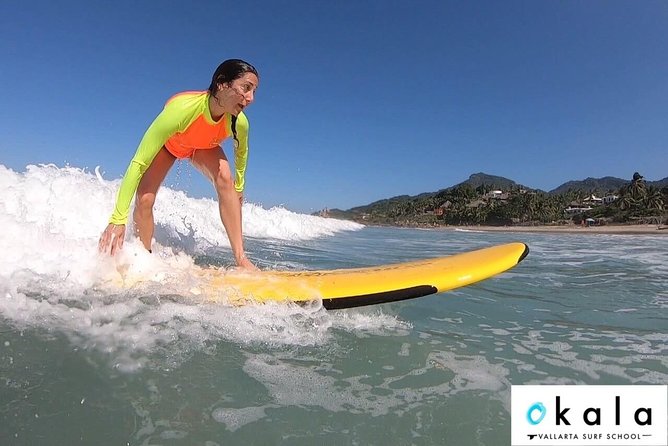
If you’ve ever watched people surf and thought, That looks fun, but I’d probably fall a lot, good news. This lesson is designed for that exact starting point. It’s private, so you’re not stuck waiting your turn while someone else gets the instructor’s attention.
The vibe is friendly and organized from the jump. Pickup shows up about 5 minutes before departure at your scheduled spot, and then you’re off to the day’s best surfing situation. During the drive, you’ll talk with the team about conditions and your experience level, so the plan is clear before you even hit the beach.
Instructors you may meet include names like Diego, Kristhian, and Jonathan (and occasionally Kalany/Khalani), and the common theme is patient, direct coaching. You’ll get corrections on what you’re doing and what to tweak—stance, timing, and how you position yourself to stand up.
And yes, you’ll surf during your lesson. The structure is built to get you into the water quickly, with full supervision while you’re practicing.
You can also read our reviews of more tours and experiences in Puerto Vallarta


Price and logistics: why $110 can feel like a bargain here
$110 per person sounds like a normal excursion price until you look at what’s included. You’re not just paying for access to a beach. You’re paying for:
- a private lesson (only your group)
- pickup when you’re within their free zone
- a surfboard
- a licra/rash guard to wear in the water
- snacks (energy bar/snack style, seasonal fruit, and seeds)
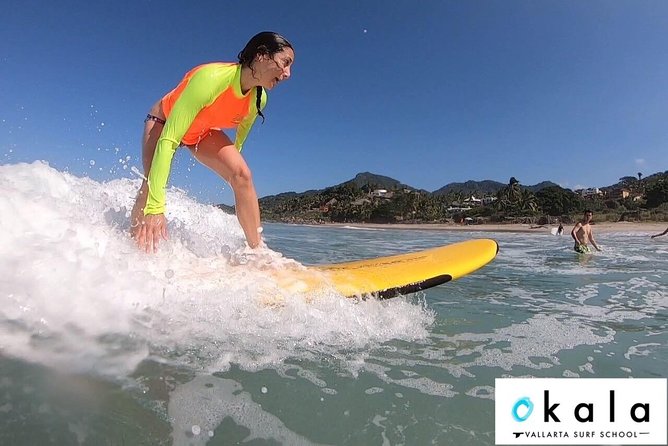
- instructor-led photography to capture your best attempts
- the coaching method that starts on sand and then moves to the waves
If you’ve tried learning a sport while renting gear and figuring out technique on your own, you know how much time you lose. Here, you’re guided through the sequence that helps beginners progress: warm-up, technique on land, then your first real wave attempts with help right there.
What can raise the cost of the day a bit: if your hotel is outside their pickup parameters, the pickup may generate a minimum extra charge. Also, some practical items aren’t included, like sunscreen and a towel—so plan to bring them.
The beach decision: Nuevo Nayarit, La Lancha, or Litibu
Puerto Vallarta surf depends on wind, swell, and timing. That’s why this team doesn’t treat the beach like a fixed checkbox. They check the sea conditions first, then match the location to your level.
The plan uses well-known nearby areas that can work well for beginners and improving surfers, including:
- Nuevo Nayarit Beach
- Playa La Lancha
- Litibu Beach
Here’s what you should expect in practice: you’ll ride in, talk about what the ocean is doing that day, and then head to the most suitable option for your lesson goals. On some days, you may feel like you’re getting the best beach they can find for your skill level because that’s exactly the point.
Why this matters: beginners don’t need the biggest waves. You need manageable conditions where you can practice the mechanics, make corrections, and feel safe enough to try repeatedly.
What happens before you catch waves: sand drills and warm-ups
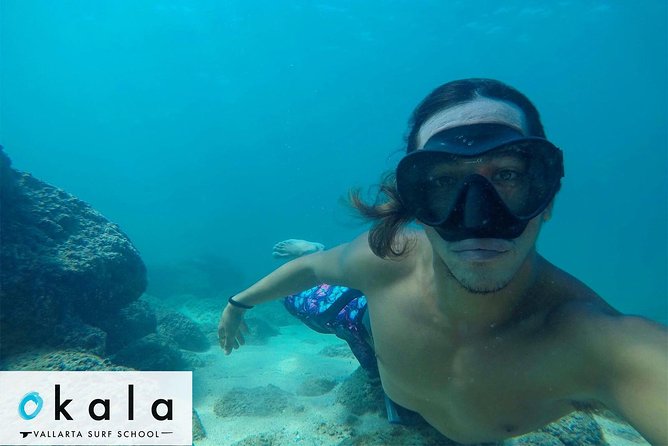
The lesson doesn’t start with sprinting into the surf. It starts with getting your body ready and your brain ready.
After you arrive, the instructor runs a brief warm-up and stretching. That’s not just for comfort. It helps you avoid the classic beginner problem: feeling stiff in the water when you most need smooth movement.
Then comes the part I love for first-timers: technique practice on the sand. Before you paddle out, you’ll go through the steps for getting on the board and taking your first waves. This is where you learn what your body should do—without the pressure of trying it while balancing on a moving board in actual waves.
In plain terms: the sand stage helps you get your bearings fast, so when you’re in the water, you can focus on timing and balance instead of guessing what to do next.
Your 4-hour surf rhythm: from first pop-up to better waves
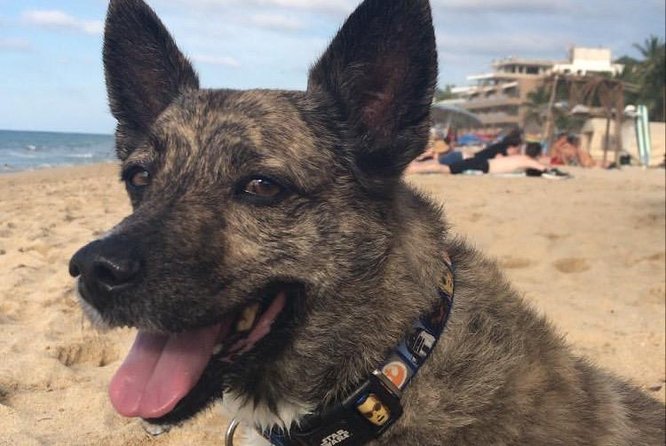
The total experience runs about 4 hours (approx.). That time usually includes pickup, transit, sand practice, time in the water, and wrapping up with gear return.
Once you’re in the water, you’ll get absolute supervision and hands-on help. The instructors stay close and guide you while you’re paddling and trying to stand.
Expect this progression:
- you’ll start by practicing the basics and positioning
- then you’ll attempt more rides as conditions allow
- along the way, you’ll get quick feedback that helps you improve each attempt
The goal is not just to say you went surfing. The goal is to help you catch enough waves to feel real progress. Many first-timers leave able to pop up quickly and ride all the way to the sand, even if only for short moments at first.
Also, if you’re worried about comfort in the water, bring it up. At least one rider shared that they don’t swim, and they were supported through the session. You should still be honest about your comfort level so they can place you appropriately and coach you in a way that matches your needs.





Stop-by-stop: how each area fits a beginner’s needs
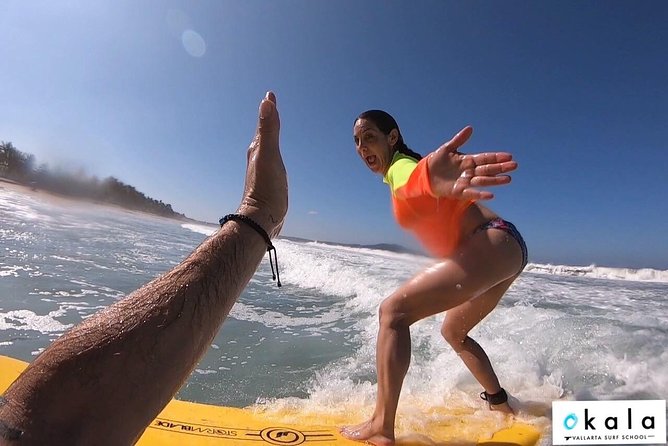
Even though you might not do equal time at every named spot, these areas work as options the team can choose from.
Nuevo Nayarit Beach
Nuevo Nayarit is a common Puerto Vallarta region go-to when you want a surf environment that can support beginners and gradual learning. What you’ll value here is the chance to practice repeatedly without the ocean feeling too wild.
Playa La Lancha
Playa La Lancha is another option that can come up when the conditions line up. In surf terms, that means you’re looking for waves that give you something to work with: enough shape to stand up, without turning every attempt into a wipeout.
Litibu Beach
Litibu is often used as a regional surfing choice when swell and wind create better conditions. For you, that can translate into a smoother lesson where the instructors can focus on technique rather than constantly relocating due to poor surf.
The common thread across all three: the team uses them to solve a single problem—finding the right wave setup for your level on that exact day.
Gear, rash guard, snacks, and what to bring
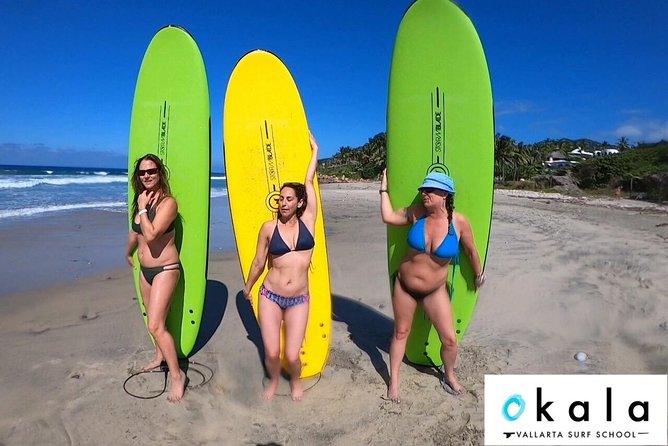
This is one of those experiences where your checklist is short.
What’s included
- Surfboard
- Licra/rash guard for the ocean (so you’re covered and comfortable)
- Snacks: an energy/snack bar style item, seasonal fruit, and seeds
The day is also structured so you’re not left hungry or thirsty. Some groups also note extra drinks and added comfort like shade help (like an umbrella), which makes a hot beach day feel easier.
What’s not included (bring these)
- sunscreen
- a towel
- comfortable footwear
And don’t forget your swimsuit. You’ll be in and out of gear, and a swimsuit that dries fast helps. If you’re prone to sunburn (most of us are on vacation), sunscreen is non-negotiable. The lesson time outdoors adds up.
Photography: included so you can focus on the ride
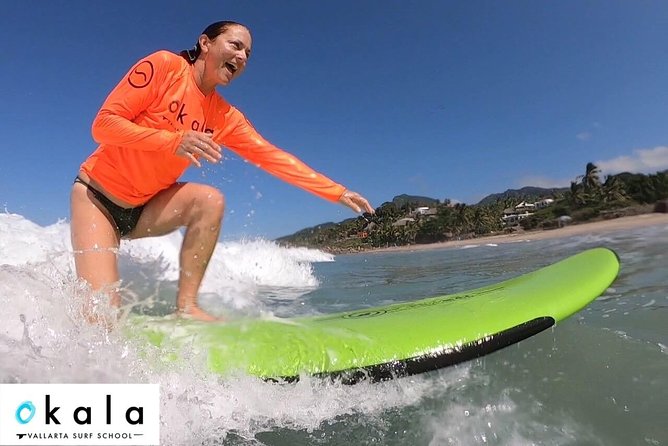
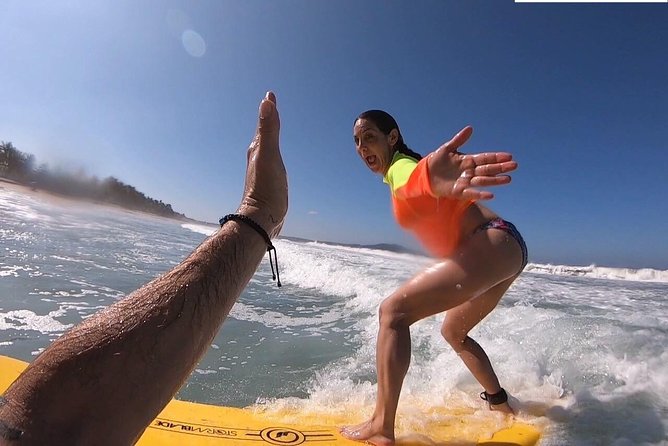
You’ll get photos to back up the experience, and the instructors take them during the session while you’re catching waves. Multiple groups specifically mention getting great pictures and even GoPro-style footage, which is exactly what you want for a first lesson.
Why this matters: when you know someone is capturing your best moments, you spend less time checking your own performance and more time learning. You’ll still get feedback, but you won’t feel like you need to run the GoPro yourself.
For cruise travelers and time-strapped schedules
If you’re doing this from a cruise, the biggest trick is time matching. One cruise group noted that ship time and local Puerto Vallarta time can differ by about one hour, and they had to double-check so they didn’t miss the class.
My advice: confirm the time zone on your ship’s app or itinerary before you lock in the pickup. If your pickup is arranged right outside the port, being an hour off can turn an awesome day into a stressful scramble.
On the practical side, the convenience is real. Pickup and drop-off close to where cruise passengers are already set up can save you from wasting valuable hours getting to a distant beach.
Who should book this surf lesson
This is a strong fit if you:
- are a true beginner and want 1-to-1 coaching
- want a private experience without a bunch of strangers watching your wipeouts
- care about getting actual progress, not just standing near the ocean
- want an instructor-run day with gear and snacks handled
It’s also a good choice for families, including kids. Several families describe the instructors as attentive and encouraging, with step-by-step coaching starting on sand and moving into the water with close guidance.
If you’re already an intermediate surfer, it might still be worth it, but your experience will depend on what conditions they find that day and how much coaching they can tailor to your style within a beginner-leaning structure.
Should you book Okala Surf School in Puerto Vallarta?
I’d book it if you want a lesson that’s practical, beginner-friendly, and seriously focused on getting you on waves. The private setup, included gear, snacks, and photo capture are a solid value package for $110, especially when you compare it to piecing together rentals plus instruction on your own.
Book this if you want:
- a smooth learning path that starts on sand
- instructors who stay right with you in the water
- a day that feels organized from pickup to equipment return
- photos that help you remember your first real rides
Skip it only if you’re looking for a long, leisurely beach hangout with no structure. This is an active lesson. You’ll be moving, learning, and trying again and again.
If your goal is to leave Puerto Vallarta with at least a few wave rides (and ideally a grin you can’t wipe off), this one is a smart bet.
FAQ
How long is the surf lesson?
It runs for about 4 hours (approx.), including the flow of pickup, travel to the surf spot, time on the sand, time in the water, and wrapping up with equipment collection.
Is this a private tour or shared group?
It’s private. Only your group participates, and you get individualized coaching during the session.
What should I bring?
Bring sunscreen, a towel, and comfortable footwear. You’ll also want a swimsuit (the rash guard/lycra is provided, but you still need swimwear).
What gear and clothing are provided?
You’ll get a surfboard and the use of a licra/rash guard for the ocean. Snacks are included during the lesson.
Do they offer pickup from hotels and cruise terminals?
Yes. They offer free pickup outside your hotel or home if it’s located within their indicated pickup zone. Cruise travelers have noted convenient pickup right by the Puerto Vallarta port.
What if weather is bad or I need to cancel?
The experience requires good weather. If it’s canceled due to poor weather, you’ll be offered a different date or a full refund. You can cancel for a full refund up to 24 hours in advance.