REVIEW · PUERTO VALLARTA
Cook Like a Local: Vallarta Market & Cooking Experience
Book on Viator →Operated by Gabys Mexican Cooking Classes By Chef Julio Castillon · Bookable on Viator
Mole made from scratch changes everything. This Puerto Vallarta cooking experience with Chef Julio takes you from the historic center market near the Malecón to an open-air terrace kitchen with ocean and cathedral views. You get a full food day built around real Mexican techniques, not just watching.
I love the hands-on teaching: you’ll learn how to choose key ingredients like chiles and tomatoes, then make items such as fresh corn tortillas and salsa by following Chef Julio and his crew’s steps. I also like the big meal payoff, including multiple dishes that you actually cook, plus a digital recipe booklet to recreate your favorites later.
One consideration: the schedule includes a lot of walking and standing, especially during the market portion, so it may not suit you if you can’t stay on your feet for long.
In This Review
- Key things to know before you go
- From the Malecón to Chef Julio’s Family Table: What the morning feels like
- The downtown market walk: how you learn to choose ingredients like a cook
- Rooftop terrace cooking: ocean and cathedral views, plus real guidance
- The menu you’ll actually make: mole, chile relleno, tortillas, and multiple salsas
- Mole poblano from scratch (the big moment)
- Chile poblano relleno with panela cheese
- Fresh tostadas-style ceviche
- Hand-made corn tortillas on a comal
- Guacamole and multiple salsa styles
- Eating what you cook: a terrace meal with momentum
- The digital recipe booklet: how you bring Puerto Vallarta home
- Price and value in Puerto Vallarta: is $113.58 worth it?
- Who this cooking class suits best—and who should skip it
- Should you book Cook Like a Local with Chef Julio?
- FAQ
- What is the duration of the Cook Like a Local experience?
- Where does the tour start?
- What time does the tour begin?
- Is the experience private?
- Is it offered in English?
- What dishes will I be cooking during the class?
- Will I eat the food I cook?
- Do I get anything to take home?
- Is it okay if I can’t stand for a long time?
Key things to know before you go
- A market walk first, cooking second: you shop for produce, herbs, and chiles so the class starts with ingredients, not just a recipe card.
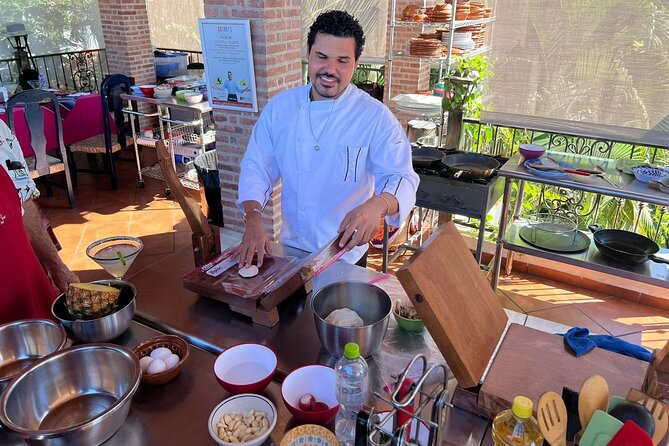
- Chef Julio’s family kitchen approach: you follow step-by-step guidance in an open-air terrace setup with ocean and cathedral views.
- Tortillas and salsas are the real skill builders: masa-to-tortilla on a comal, plus multiple salsa styles like molcajete and salsa macha.
- Mole poblano is made from scratch: the mole starts from a long ingredient list for deep, layered flavor.
- You eat what you cook: the meal is part of the experience, not an afterthought.
- Comfort shoes matter: you’ll do downtown walking and shopping before you settle in to cook.
From the Malecón to Chef Julio’s Family Table: What the morning feels like
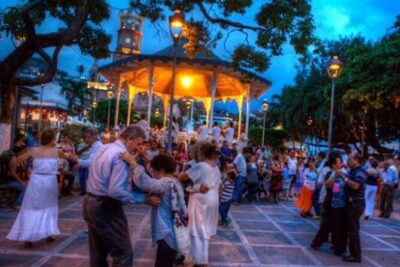
This starts in downtown Puerto Vallarta at Gaby’s Restaurant Bar, C. Mina 252, Proyecto escola, Centro. You’re meeting Chef Julio and his family, and the vibe is warm and practical from the start. The location is steps from the Malecón, so you get a true feel for the historic center before you ever touch a cutting board.
The class begins at 9:00 am and is designed around a full 5-hour experience (about that length in real life). You’ll be with only your group, which makes it easier to ask questions and move at the pace of your table—not a one-size-fits-all slideshow.
If you like learning food the way locals do—through people, ingredients, and repeatable methods—this setup makes sense. The morning flow is part “market day,” part “kitchen training,” and part “eat together.” That mix is why it tends to land well for both beginners and people who already cook at home.
You can also read our reviews of more shopping tours in Puerto Vallarta
The downtown market walk: how you learn to choose ingredients like a cook
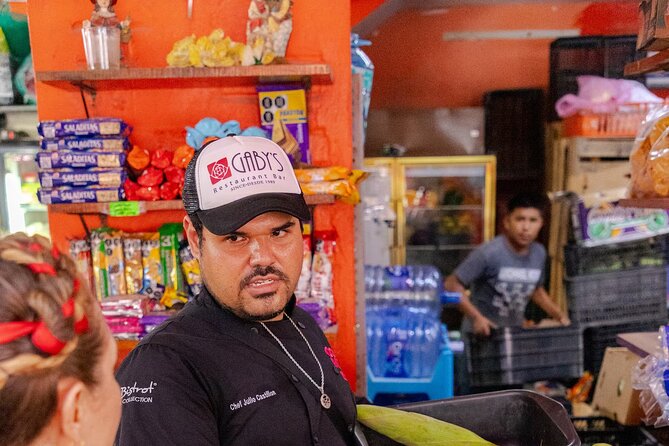
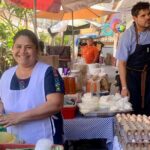
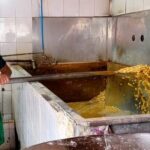
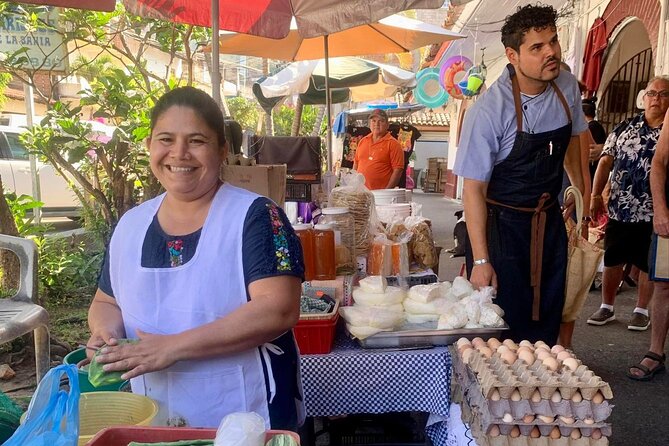
The first major stop is a short walk to the local market. This is where the experience earns its name: you’re not just touring for photos. You’re learning what matters when you’re picking Mexican staples—chiles, tomatoes, herbs, and spices—because those choices drive everything that comes later.
Expect your guide to talk through what to look for as you move. The point isn’t fancy jargon; it’s hands-on decision-making. When you understand how to pick the ingredients, you can recreate the flavors at home later, even if you’re buying at a different market.
This segment also explains why good shoes are a must. The early hours involve walking and shopping around downtown Puerto Vallarta. If you’ve got even mild mobility limits, plan for breaks and bring shoes with real grip—this part is active.
Rooftop terrace cooking: ocean and cathedral views, plus real guidance
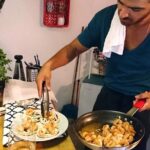
After the market, you head back to Chef Julio’s house rooftop terrace kitchen. This is open-air, with ocean and cathedral views, and that changes the feel of the class. You’re not stuck indoors under harsh kitchen lights. You’re cooking in the kind of space that feels built for sharing food and telling stories.
In the kitchen, Chef Julio guides you step-by-step. Alto is also mentioned in the experience as a key helper and source of cooking tips, which matters because it means you’re more likely to get answers when you get stuck. In practical terms, that support helps you move from “I watched” to “I can do it myself.”
You’ll be working on classic Mexican dishes and techniques. Some are straightforward, like assembling fresh salsas and guacamole, while others take more time and focus—especially anything involving grinding, frying, or building mole sauce from scratch. If you like cooking with clear instruction and a team nearby, this format fits well.
The menu you’ll actually make: mole, chile relleno, tortillas, and multiple salsas
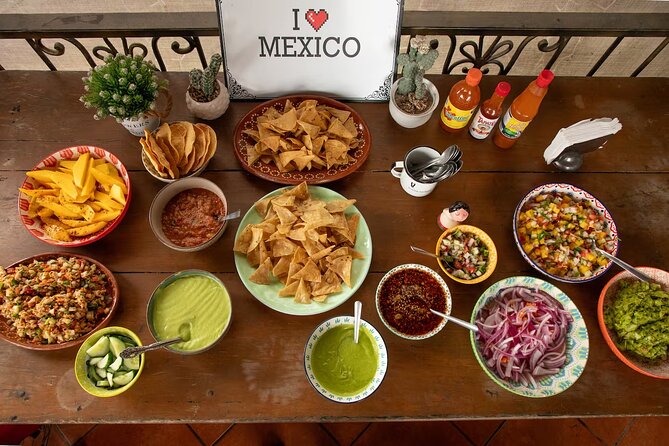
This class isn’t built around one dish. The strength here is variety, and the variety supports learning. You’ll cook flavors from different Mexican traditions—coastal, central, and spicy salsa styles—so you leave with more than one idea of Mexican cooking.
Mole poblano from scratch (the big moment)
The star main is mole poblano prepared from scratch with 30-plus ingredients. That detail matters. Mole isn’t just one flavor; it’s a layered sauce. When you’re actively participating in the process, you start to understand why mole can taste both deep and complex without tasting heavy or one-note.
Working through mole in a guided class gives you a mental checklist: toast, grind, combine, adjust. Even if you don’t remember every ingredient name, you’ll remember the method—and that makes the mole more replicable later.



Chile poblano relleno with panela cheese
You’ll also make chile poblano relleno with panela cheese. This is a classic comfort-meets-celebration dish. You’ll dip the chiles in an egg batter and fry them, then finish with a fresh ranchera sauce.
The cooking style here teaches you about balance: creamy cheese inside, savory sauce outside. It’s also a dish that helps you understand why chile relleno is often a highlight in Mexican home cooking.
Fresh tostadas-style ceviche
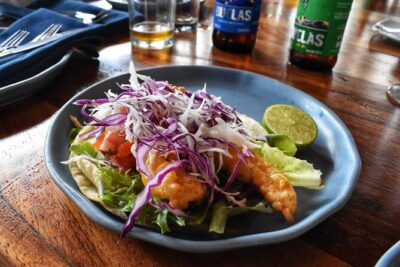
For a starter, you’ll make ceviche with fish, lime, cilantro, tomato, onion, and chili. It’s bright, tangy, and built around freshness and timing.
Ceviche is a great counterpoint to heavier sauces like mole. If you tend to think of Mexican food only as rich and spicy, this helps widen your view.
Hand-made corn tortillas on a comal
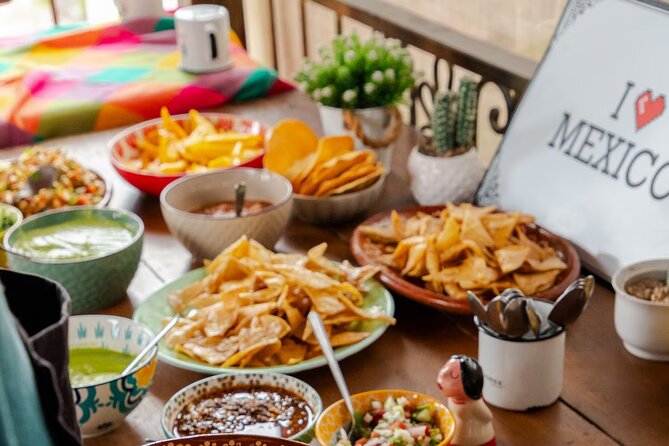
One of the most practical skills you’ll leave with: fresh corn tortillas made from masa. You’ll press and cook them on a comal so they come out warm and soft.
This matters for value because it’s repeatable at home. Tortillas are one of those foods where technique makes a huge difference. Once you learn the basic method, you can stop relying on store options whenever you want authentic results.
Guacamole and multiple salsa styles
You’ll make guacamole with ripe avocado, lime, cilantro, onion, and tomato. It’s simple, but it also teaches how you keep it fresh and balanced—acid, herbs, and aromatics working together.
Then comes a lineup of salsas that actually trains your palate:
- Salsa molcajete: roasted tomatoes, chilies, garlic, and onion ground by hand. This gives a smoky, earthy texture.
- Avocado sauce with Topo Chico: blended avocado with lime, cilantro, chilies, and Topo Chico for a light, creamy sauce with a bubbly kick.
- Salsa macha: dried chilies, garlic, nuts, and oil for a spicy, nutty, smoky flavor.
You’ll also cook Mexican red rice with tomato, garlic, onion, and spices—great for rounding out the meal. And you’ll make cowboy sauce, a ranchera salsa with tomatoes, chilies, garlic, and onion simmered together for a mildly spicy finish.
If you’re paying attention, this menu functions like a mini training course in Mexican flavors: smoky, tangy, creamy, spicy, and savory.
Eating what you cook: a terrace meal with momentum
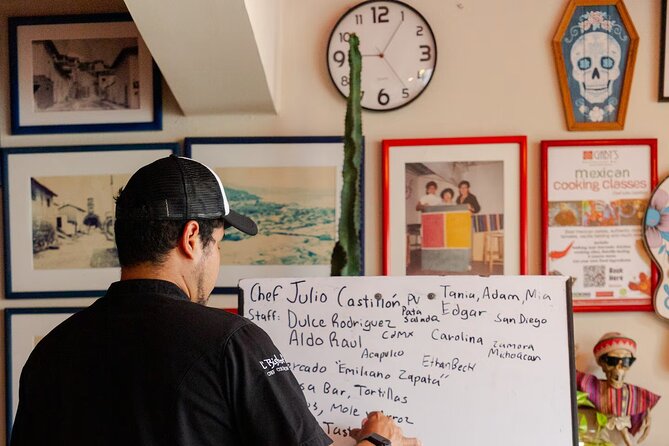
Once your dishes are ready, you sit on the terrace and enjoy the meal you prepared. This is a big part of why the experience feels complete. You’re not hauling food back to a classroom table and calling it done.
The setting helps too. With ocean and cathedral views, the meal feels tied to place. And because you cooked multiple items, your table usually runs the full range—from mole to ceviche to tortillas—so you can taste the contrast between techniques you learned earlier.
Portions aren’t described in detail, but the structure suggests you’ll have enough to taste everything meaningfully. If you’re a hungry traveler, plan on getting a real meal out of the experience.
The digital recipe booklet: how you bring Puerto Vallarta home
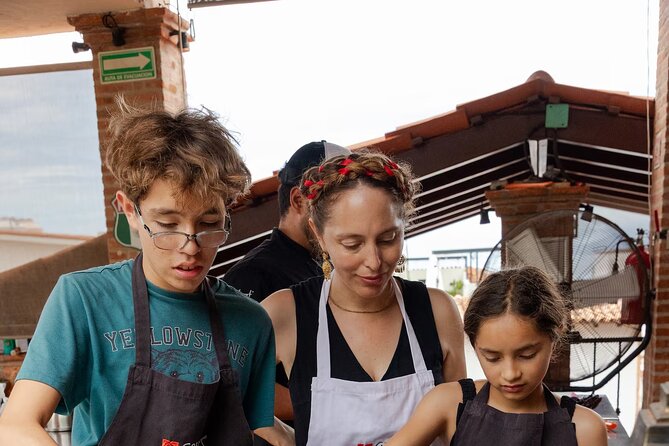
Before you leave, you receive a digital recipe booklet. This is the practical part that turns a one-time class into something you can use after the trip.
Because the course teaches techniques—tortilla making, salsa styles, and sauce building—you’ll likely be able to reproduce at least a few dishes more confidently once you have the written guide. You can also share the recipes with family and friends, which is a nice bonus for people who like to show off their new cooking skills.
I like digital booklets for travel because you don’t need to manage paper or worry about forgetting it. You can save it on your phone and cook from it later without clutter.
Price and value in Puerto Vallarta: is $113.58 worth it?
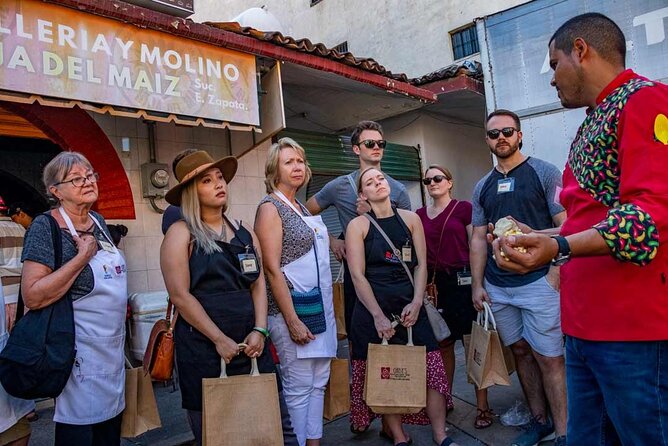
At $113.58 per person for about five hours, this isn’t the cheapest thing in Puerto Vallarta. But it also isn’t “just a tasting.”
You’re paying for:
- a downtown market walk that teaches ingredient selection (chiles, tomatoes, herbs, spices)
- step-by-step instruction from Chef Julio and support from Alto
- hands-on cooking of several dishes, including mole poblano from scratch with 30-plus ingredients
- a full sit-down meal where you eat what you made
- a digital recipe booklet so your learning doesn’t disappear at checkout
Where the value really shows up is in the skills. Tortillas and salsas aren’t “nice to taste.” They’re the kinds of things that improve your home cooking immediately. If you’re the type who wants to bring back at least one reliable skill (not just a photo), this price starts to feel reasonable.
And because it’s a private tour (your group only), you get more direct attention and less waiting around. That can be a big difference when you’re learning technique.
Who this cooking class suits best—and who should skip it
This fits you if:
- you want a practical Mexican cooking experience in Puerto Vallarta, not a lecture
- you care about methods (tortillas, mole, salsas), not just flavors
- you’d like a family-oriented day that stays active and guided
One review detail worth noting: a 10-year-old joined and stayed close to Chef Julio through the tour. That suggests the experience can work well for kids who are curious and comfortable in a kitchen environment, as long as they can handle the walking portion and standing time.
It may not fit you if:
- you can’t stand for long periods, since the market portion and kitchen time involve being on your feet
- you’re looking for a low-effort, mostly seated tour (this is hands-on cooking with active prep)
Also keep weather in mind. The experience requires good weather, and if conditions are poor, you’ll be offered a different date or a full refund. Because the cooking area is open-air, that requirement matters.
Should you book Cook Like a Local with Chef Julio?
Book it if you want authentic Mexican cooking taught in a way you can repeat at home. You’ll learn ingredient selection in the market, then actually cook mole, tortillas, ceviche, chile relleno, guacamole, and multiple salsa styles—finished with a meal on the terrace and a digital recipe booklet.
Skip it if long standing and downtown walking would be a problem for you. Also skip if you mainly want a quick taste without doing the hands-on cooking work.
If you match that sweet spot—comfortable shoes, an interest in technique, and appetite for a full food-focused morning—this is the kind of Puerto Vallarta activity that leaves you with skills, not just memories.
FAQ
What is the duration of the Cook Like a Local experience?
It lasts about 5 hours.
Where does the tour start?
The meeting point is Gaby’s Restaurant Bar, C. Mina 252, Proyecto escola, Centro, 48300 Puerto Vallarta, Jal., Mexico.
What time does the tour begin?
The start time is 9:00 am.
Is the experience private?
Yes. It’s a private tour/activity, so only your group participates.
Is it offered in English?
Yes, it’s offered in English.
What dishes will I be cooking during the class?
The sample menu includes mole poblano from scratch, chile poblano relleno with panela cheese, ceviche tostadas Vallarta style, tortillas (hand-made corn tortillas), guacamole, salsa molcajete, avocado sauce with Topo Chico, salsa macha, Mexican red rice, and cowboy sauce.
Will I eat the food I cook?
Yes. After your dishes are ready, you sit down on the terrace and enjoy what you prepared.
Do I get anything to take home?
Yes. You receive a digital recipe booklet before you leave.
Is it okay if I can’t stand for a long time?
The experience notes it is not recommended for people who cannot stand for much time, since there’s walking and time spent standing during the tour. Service animals are allowed.