REVIEW · PUERTO VALLARTA
Puerto Vallarta premier Surf Lessons VSCO
Book on Viator →Operated by Vallarta Surf Co · Bookable on Viator
Learning to surf should feel easy. This Puerto Vallarta lesson gets you to a secret beach by way of a short jungle walk, then helps you actually catch waves instead of just watching others. It’s aimed at first-timers who want a relaxed day in the water, with clear coaching and a calm setting.
Two things I like a lot: the instruction feels patient and confidence-building, and the whole setup is built for comfort, with water, snacks, shade, and beach chairs. If your instructor is Leo, expect extra attention to board size and pacing, plus coaching that stays focused on what your body is doing, not just what to think about.
One consideration: the surf spot is made for beginners, so the waves are small and the bottom is sandy and shallow. That’s great for learning, but it also means this is not the place to chase big-wave thrills.
In This Review
- Key Highlights at a Glance
- A Beginner Surf Lesson That Actually Feels Friendly in Puerto Vallarta
- The 5-Hour Flow: What Happens From Pickup to Ride Home
- The Jungle Path and the “Secret” Beach: Why This Stop Feels Worth It
- Instruction That Builds Confidence: Theory, Sand Practice, Then Real Waves
- Surf Conditions for Newbies: Small Waves, Sandy Shallows, Less Panic
- Pickup, Shade, Snacks, Board Sizing, and Photos: The Parts People Forget to Budget For
- Cost and Value: Is $90 Worth It for 5 Hours of Beginner Coaching?
- Who Should Book This Lesson and Who Should Skip It
- What to Bring (So the Day Stays Comfortable and Easy)
- Weather, Timing, and How to Prep for a Smooth Day
- Should You Book Puerto Vallarta Premier Surf Lessons With Vallarta Surf Co?
- FAQ
- How long is the Puerto Vallarta surf lesson?
- What does the lesson cost?
- Is pickup included?
- Where does the tour start?
- What level is this surf lesson for?
- What should I bring?
- What kind of waves and water conditions should I expect?
- Will there be breaks during the lesson?
- Are photos included?
- What is the cancellation policy?
Key Highlights at a Glance
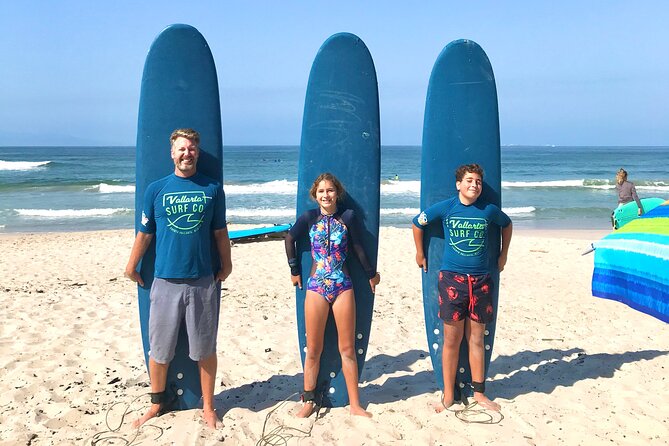
- Short jungle walk to a quieter, vegetation-filled beach you won’t see on every tour loop
- Beginners-only approach: theory on sand, then a step-by-step warm-up and water time
- Small, sandy, shallow-wave conditions built for standing up and learning timing
- Pickup and drop-off with early arrival so you spend less time hunting transport
- Photos during the session so you get proof you were really out there
A Beginner Surf Lesson That Actually Feels Friendly in Puerto Vallarta
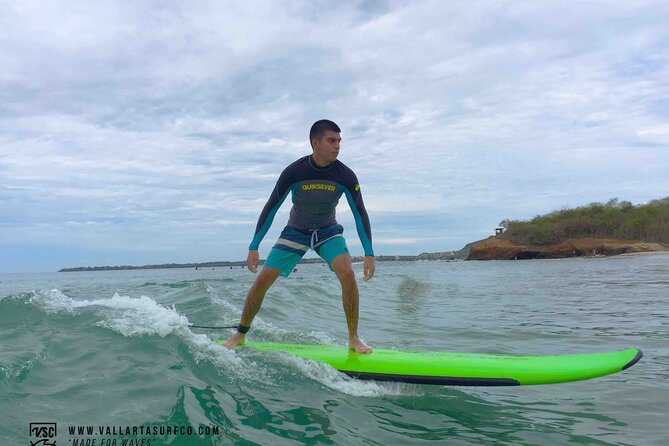
Puerto Vallarta has plenty of sunshine and plenty of surfers. The trick is finding a lesson that helps you get started without turning it into a stressful athletic tryout. This one is built around a calm rhythm: you arrive, get basics explained in plain language, warm up, then go get your feet moving on a sandy bottom with waves that won’t punish you for every wobble.
What makes it feel different is the combination of location and teaching style. You’re not just heading to any beach and hoping for the best. You walk through a jungle path for about 6 minutes to reach a spot that feels more private than the typical “everyone shares the shoreline” scene. And once you’re in the water, the coaching stays hands-on.
The day lasts about 5 hours. That includes the theory, the beach warm-up, time in the water, and breaks for water and snacks. You’re paying for structure, safety, and time on the board—at a level that fits people who have never surfed before, plus families with kids.
You can also read our reviews of more tours and experiences in Puerto Vallarta



The 5-Hour Flow: What Happens From Pickup to Ride Home
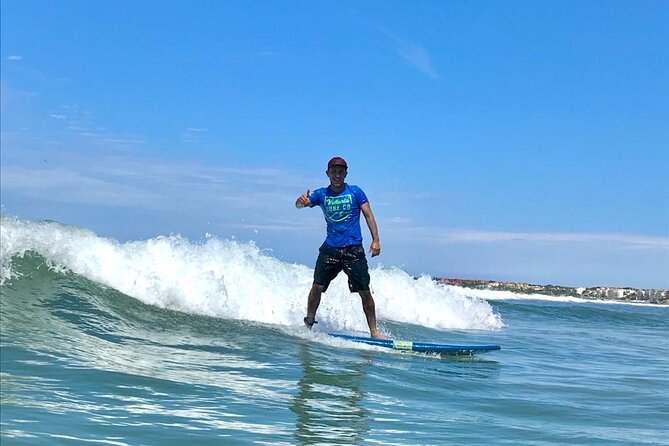
Here’s how the experience typically unfolds, based on what the format emphasizes and the schedule you’re told to expect.
First, pickup. You assign the address, and the team arrives about 15 minutes early. That early timing matters in Puerto Vallarta because lobbies and pickup zones can be a little confusing, especially if you’re arriving from a taxi or cruise drop-off. You’ll want to be ready when they arrive.
Next, the short jungle walk to the beach. It’s about 6 minutes through the path to the surf spot. It’s not long, but it’s real walking through vegetation, so you’ll feel the heat and humidity if it’s a warm day.
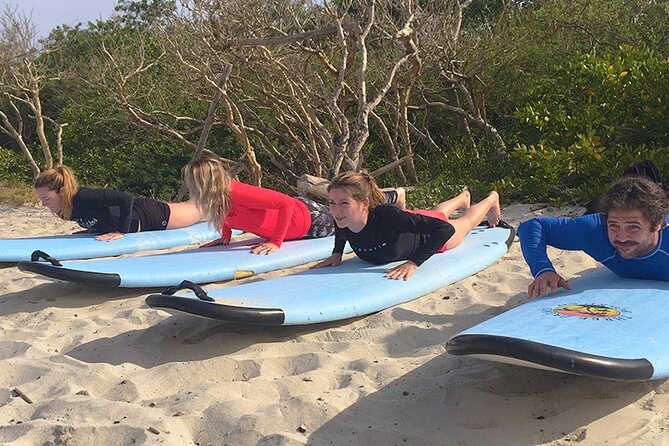
Once you reach the beach, the instructor prepares the session equipment and starts with a brief theory talk. Think of this as the “how to not get tangled” part—basic surf concepts explained before you waste energy guessing. Then you practice in the sand. That sand practice is more important than it sounds. It lets your body rehearse the movement without the stress of being rocked by waves.
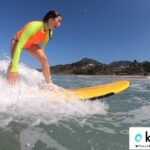
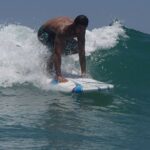
When the instructor feels you’re ready, you do a warm-up and then you enter the water. The waves are described as small, and the bottom is sandy and shallow, which creates a forgiving learning environment. During the water time, you’re not left on your own. The instructor stays right there and gives tips as you try to pop up, time the waves, and paddle correctly.
Then come the breaks. They take time for water and snacks, with a cooler brought along. You also get shade breaks, with beach chairs and an umbrella provided—so you’re not just roasting while you wait your turn or recover your energy.
Finally, the tour ends back at the meeting point. You’ll be dropped where you started, so your day stays simple.
The Jungle Path and the “Secret” Beach: Why This Stop Feels Worth It
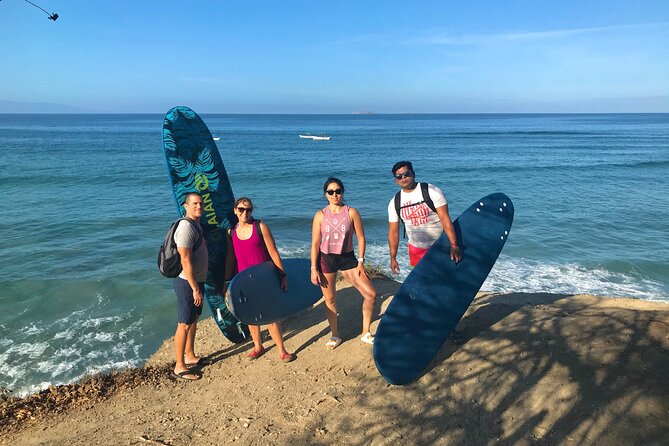
A good surf spot for beginners isn’t just about wave size. It’s about comfort, safety, and the mental vibe. This beach checks a lot of those boxes.
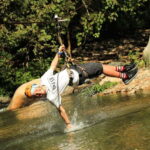
You’ll walk through a beautiful jungle path for about 6 minutes to reach the surf area. That’s one of the first “you’re really going somewhere” moments of the day. It also helps the beach feel less crowded. The spot is described as a virgin beach that few people know about, with plenty of vegetation and crystal-clear water.
For learning, quieter conditions matter. When you’re new, you need space for the board to come to you, for you to reset quickly, and for the instructor to spot what you need to fix. A less crowded beach makes that easier. It also makes the whole day feel more like a small adventure and less like a classroom with waves.
The beach layout also matters for recovery. Between your water attempts, you can rest in the shade. You’re not stuck standing around in direct sun. That little detail helps your energy stay up, and in a surf lesson, energy is everything.
Instruction That Builds Confidence: Theory, Sand Practice, Then Real Waves
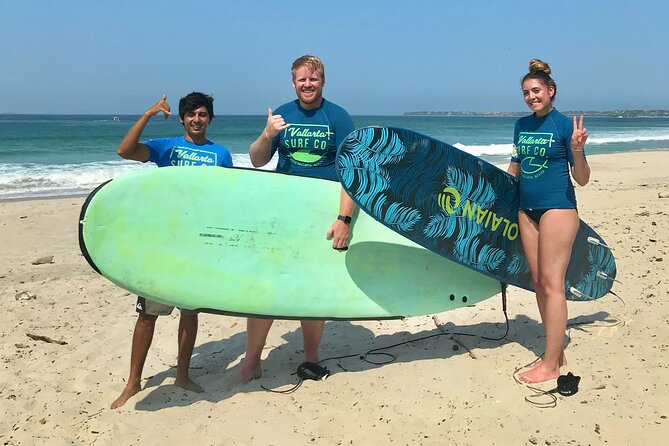
If you’re nervous about learning to surf, look for a lesson that treats the first session like teaching, not testing. This one follows that philosophy.
It starts with a brief theory section. You learn the basic ideas first, so when you’re standing or paddling, you’re not guessing. Then you move into sand practice. You rehearse the movement on land—especially the pop-up motion—so you can transfer it to the water later.
In the water, the coaching goes specific. One instructor example from the session highlights how they watch your paddling technique and your timing, then correct what’s off right then. That matters because timing and paddle angles are hard to learn from a generic tip. The more immediate the feedback, the faster you improve.
The lesson format is also designed to keep you out of your own head. The instructor stays in the water and guides you through riding waves. The coaching focus is practical: when to paddle, how to position, and how to time that pop-up for the wave you’re actually catching.
If you’re traveling with kids, this approach tends to work well. In the teaching style described here, the focus shifts to safety and progress. Kids get clear instruction and encouragement, and older kids can be pushed to improve instead of treated like they’re watching.
Surf Conditions for Newbies: Small Waves, Sandy Shallows, Less Panic
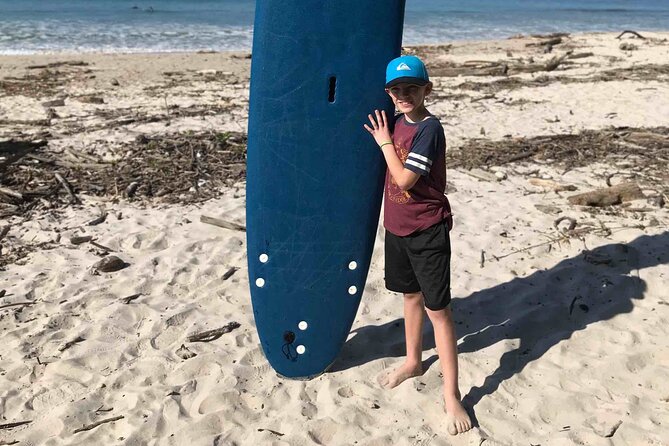
For beginners, wave conditions can make or break your experience. Here’s what you should know about the surf environment.
- The waves are small.
- The bottom is sandy and shallow.
That combination is ideal for first rides. Small waves help you get up and feel the board under your feet without massive force. A sandy, shallow bottom reduces the fear factor. If you wipe out, you can often reset without feeling like the ocean is swallowing you whole.
This also sets expectations. If you’re hoping for high-energy, big-break surfing, you’ll probably feel underwhelmed. But if your goal is to learn the basics and actually stand up, these conditions are exactly what you want.






Pickup, Shade, Snacks, Board Sizing, and Photos: The Parts People Forget to Budget For
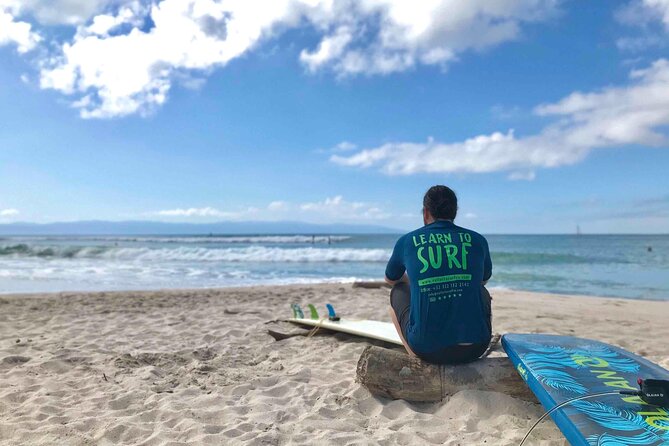
When you compare surf lessons, the price is only half the story. The other half is how much friction the day creates.
Here, the friction is kept low. Pickup is included, with the team arriving about 15 minutes early. You get help finding them if you share your room number for lobby access. If not, they can still usually be seen at the front or entrance area, which helps a lot if your resort is spread out.
In the water, the instructor prepares gear before you start. Board sizing is handled so you don’t waste the day wrestling the wrong equipment. That sounds simple, but it’s a big reason beginners get better faster. If the board is too big or too small, your balance and pop-up timing get harder.
Breaks are also built in. They bring a cooler with water and snacks. You’ll also have beach chairs and an umbrella for shaded rest. That means your lesson doesn’t turn into a long sunburn festival.
And then there are the photos. The instructor takes photos during the trip and passes them along afterward. That’s not just for bragging rights. Photos help you remember what you did right and what to repeat next time. If you’re traveling with kids, it’s also a nice way to create a keepsake that isn’t just a blurry selfie.
Cost and Value: Is $90 Worth It for 5 Hours of Beginner Coaching?
At $90 per person for about 5 hours, this sits in the mid-range for surf instruction with pickup and a structured beginner plan. Whether it feels like a good value comes down to what you get for that time.
You’re getting:
- pickup and drop-off included
- theory plus sand practice
- guided time in the water with ongoing tips
- snacks, water, and shaded breaks
- photos after the session
If you’ve ever paid for a “tour” where you spend most of the time traveling or waiting, this format is different. You’re actively working on technique and riding waves within a beginner-safe setup. That time value adds up.
Also, learning to surf often has a hidden cost: the cost of doing it wrong the first time. Wrong board size, unclear instruction, or unsafe conditions can turn day one into a long struggle. This lesson is built to reduce those problems early.
The only value trade-off is this: the waves are small on purpose. If you want dramatic surf conditions, you might feel like the day is more about skills than adrenaline. But for beginners, that’s usually the right kind of “worth it.”
Who Should Book This Lesson and Who Should Skip It
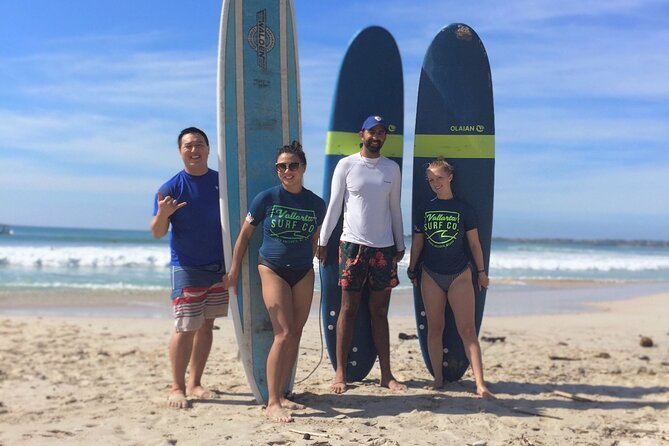
This lesson is a smart fit for:
- First-time surfers who want a clear step-by-step path
- Families with kids, especially if you want structured coaching and safety
- Travelers who prefer a relaxed pace and a less crowded beach
- People who want pickup so they can show up ready to learn
It’s less ideal if you:
- already surf confidently and want bigger, more challenging waves
- hate any walking through a jungle path before you get to the sand
- want zero shade breaks or no downtime at all
If you’re in between—new but excited—you’re right in the target zone.
What to Bring (So the Day Stays Comfortable and Easy)
The session asks you to bring a few simple things, and they matter.
Bring:
- a towel
- sunscreen
- beach shoes or sandals
Sunscreen is a must because you’ll be outside through walking, practice, and resting in the shade. Beach shoes help with sand feel and anything you might step on near shore. The towel helps you dry quickly after your time in the water, which keeps you from getting chilled or uncomfortable.
Also, wear something you’re okay getting wet. Keep it simple. You’ll thank yourself later.
Weather, Timing, and How to Prep for a Smooth Day
This experience requires good weather. If the surf conditions don’t work out, you’ll be offered a different date or a full refund. That’s the right kind of policy for a lesson where wind, waves, and visibility really matter.
Timing-wise, you’ll want to plan for a calm start. They show up about 15 minutes early at your assigned pickup spot, so be ready. If you’re late, that can shrink your lesson window. And because the tour ends back at the meeting point, you’ll want to schedule the rest of your day with a little buffer.
One practical tip: if you’re coming from a larger property or you’re in a busy lobby, send the room number for easier access. It’s a small detail that can save time.
Should You Book Puerto Vallarta Premier Surf Lessons With Vallarta Surf Co?
If you want a beginner surf lesson that’s structured, friendly, and actually gets you on waves, this is a strong choice. The learning setup—sand practice, small waves, shallow bottom, and in-water coaching—pushes you toward progress instead of frustration. Add pickup, shade breaks, snacks, and photos, and you get a day that feels thoughtfully handled.
Skip it only if you’re chasing big-wave surf or you want zero waiting and zero breaks. Otherwise, book it, show up with your sunscreen and towel, and get ready to laugh the first few times you wipe out. That’s usually the moment the real learning starts.
FAQ
How long is the Puerto Vallarta surf lesson?
The lesson runs about 5 hours.
What does the lesson cost?
The price is $90.00 per person.
Is pickup included?
Yes. Pickup is offered from the Puerto Vallarta area, and the team plans to arrive about 15 minutes before the scheduled pickup time.
Where does the tour start?
The meeting point is La Ola de Vallarta Nuevo Nayarit, Av. Las Palmas 8, Blvd. Nuevo Vallarta, 314, 63738 Nuevo Vallarta, Nay., Mexico.
What level is this surf lesson for?
It is designed as a beginner surf lesson. Most travelers can participate.
What should I bring?
Bring a towel, sunscreen, and beach shoes or sandals.
What kind of waves and water conditions should I expect?
The waves are small, and the bottom is sandy and shallow.
Will there be breaks during the lesson?
Yes. Breaks are taken for water, snacks, and rest in the shade. Beach chairs and an umbrella are provided.
Are photos included?
Yes. The instructor takes photos during the trip and you are able to receive them afterward.
What is the cancellation policy?
You can cancel for a full refund up to 24 hours in advance. If you cancel within 24 hours of the start time, the amount paid is not refunded. The experience also requires good weather; if canceled due to poor weather, you’ll be offered a different date or a full refund.