REVIEW · PUERTO VALLARTA
Vallarta surf lesson with Pickup Included
Book on Viator →Operated by Vallarta surf lesson · Bookable on Viator
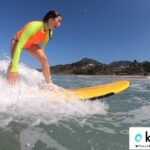
Two hours on a surfboard in Vallarta. What makes this lesson work is that it’s a private surf lesson with the beach chosen to fit the ocean that day and your skill level, not a one-size-fits-all plan. I especially like the pickup-and-drop-off convenience and the way the instructor teaches you what to look for in real waves, so you spend less time guessing. One thing to keep in mind: some beaches have sharp rocks near the waterline, so comfortable footwear and patience with the entry really help.
This is set up for an easy day in English-speaking instruction with a mobile ticket, and you’ll get clear confirmation at booking. Plan on roughly a 5-hour total outing, with about 2 hours actually in the water after the basics are explained.
In This Review
- Key Highlights at a Glance
- Private Pickup and the Right Beach: The Smart Part of This Lesson
- The 5-Hour Rhythm: What Happens From Pickup to Drop-Off
- Land Basics First: Safety, Stance, and What to Watch for
- About 2 Hours in the Water: Your Practice Window
- The Rock-Bottom Reality (And How to Handle It)
- Instructors Who Teach With Clear, Practical Cues
- Optional Seafood Stop: A Simple Local Finish
- Price and Logistics: Is $120 Worth It?
- Who Should Book This Surf Lesson?
- Timing, Weather, and the One Thing You Can’t Control
- Quick Tips Before You Go (So You Get More Riding Time)
- Should You Book This Vallarta Surf Lesson?
- FAQ
- How long is the Vallarta surf lesson?
- How much time will I spend in the water?
- Is this lesson private?
- What’s included with the price?
- Do they pick the beach for you?
- Is pickup included, and can I choose where to meet?
- What language is the lesson in?
- Is there food included?
- What’s the cancellation policy?
- What happens if I’m not advanced?
Key Highlights at a Glance
- Private, just your group: you get one-on-one attention instead of sharing time
- Pickup included: customizable pickup and drop-off around Puerto Vallarta
- Beach choice based on conditions: the instructor selects the best break for your level
- About 2 hours on the water: technique first, then time to practice
- Real wave cues: you learn what the wave pocket is and how to generate power
- Optional seafood stop: add fish tacos or a local bite on the way back
Private Pickup and the Right Beach: The Smart Part of This Lesson
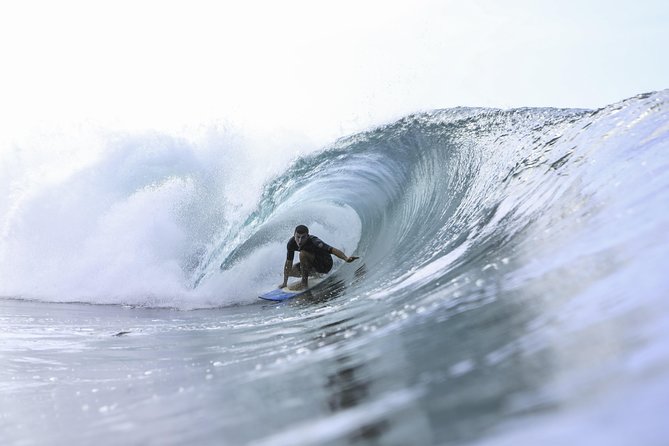
If you’ve ever taken a beginner class where you’re stuck waiting your turn, you already know the value of a private setup. Here, it’s designed so the instructor can watch your stance, timing, and paddling, then correct quickly. That matters because surfing rewards small tweaks—where you look, how you position your feet, and when you commit to standing.
The other big win is that the beach isn’t picked by convenience. The instructor chooses where to surf based on conditions and your skill level. Sometimes that means a sandy-bottom area with an easier walk. Other times it means a rock-bottom beach that can offer longer, more consistent waves. Either way, you’re not just showing up to whatever spot is closest—you’re aiming for the break that gives you the best chance to stand up.
In practice, you may ride around 40–45 minutes toward the day’s best surf zone (some common areas mentioned include Nuevo Vallarta and Punta de Mita). That added drive is usually what turns a decent lesson into a great one.
You can also read our reviews of more tours and experiences in Puerto Vallarta



The 5-Hour Rhythm: What Happens From Pickup to Drop-Off
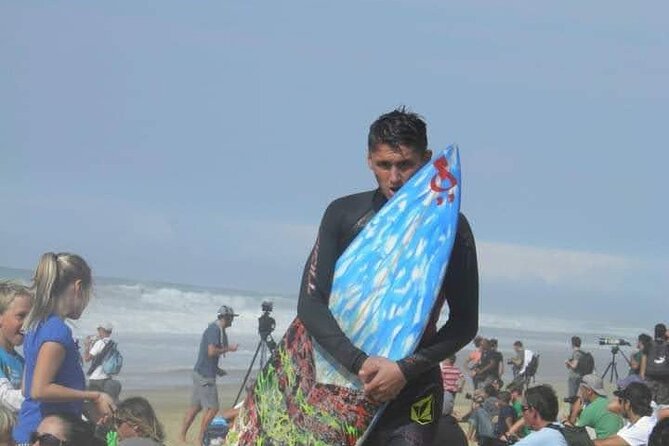
The outing follows a clear flow, and it’s built to feel like a half-day rather than a whole day that drags.
First, you’ll be picked up at your preferred meeting location in the Puerto Vallarta area. Departure times are flexible, which helps if you’re juggling a hotel schedule or pairing this with other plans. You then travel to the surf shop area and the selected beach.
Once you arrive, the lesson starts with technique and safety. You’re not thrown straight into the ocean—there’s a land portion first, so you understand how to paddle, how to pop up, and what to look for in the water. After that, you head out and spend about 2 hours surfing time.
When you’re done, you head back toward your pickup/drop-off area. There’s also an optional stop for a local seafood restaurant on the way back. It’s not required, but it’s a nice way to turn the surf day into a proper Puerto Vallarta meal moment.
For planning: expect the total experience to land around 5 hours. If your day is tight, I’d treat it as a firm half-day block rather than something to squeeze casually between appointments.
Land Basics First: Safety, Stance, and What to Watch for
The land instruction is where most beginners get their head straight. You’ll get taught surfing basics and safety guidelines before you paddle out. This matters because the ocean can feel chaotic when you’re new—waves come in sets, boards behave differently than you’d expect, and small errors turn into big wipeouts.
One instructor-style tip that comes up strongly: learning where to find the wave’s power. You’ll hear cues about the pocket of the wave—basically where the energy is most useful for getting a better ride. Instead of just hoping a wave works, you learn how to identify the part that helps you stand and move.
You’ll also learn practical basics like:
- how to paddle efficiently so you’re in position
- how to handle timing when a set arrives
- how to set your stance so the board responds predictably
And yes, you should expect real progress. In multiple first-time experiences, people were able to catch waves and stand relatively quickly. If you’ve surfed before, you’ll still benefit—especially from having someone explain wave cues in plain language instead of guessing.
About 2 Hours in the Water: Your Practice Window
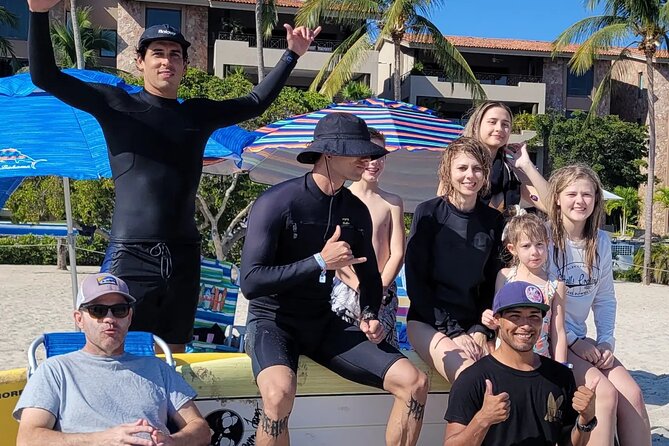
Once you’re in the lineup, the lesson becomes hands-on. That roughly 2-hour in-water window is the part you’re really paying for: time to practice, not just time to listen.
A good sign is when you’re not just doing one thing over and over. The best beginner lessons help you experience the full cycle:
- read the water
- paddle to position
- commit at the right time
- stand and ride for even short distances
- reset quickly and try again
Private instruction is helpful here because it reduces your downtime. Instead of watching other people surf while your turn approaches, you get guidance while you’re actively trying. That’s a big reason the experience consistently earns a 5-star score and high recommendation rate.
The Rock-Bottom Reality (And How to Handle It)
One practical caution from the field: walking into the water can be tough on some beaches because of sharp rocks. The instructors focus hard on safety warnings, and they’ll help set expectations. Still, you’ll want to show up prepared for the entry.
If you have any doubt about your footing, treat this as the most important “gear” check:
- wear footwear you trust for rocky entry
- take the entry slowly
- tell your instructor if anything feels sketchy
The good news: even with rocks, beginners still get their chance to stand. The key is moving carefully and listening at the shoreline.






Instructors Who Teach With Clear, Practical Cues
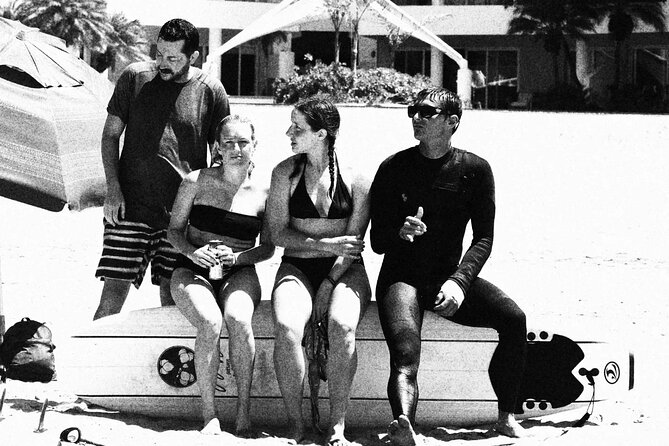
The personalities and teaching styles seem to matter here. Names that come up include Emilian/Emilio, Andru, Joaquin, and Jonathan. Different instructors bring different energy, but the common thread is clear communication and patience.
What you want in a surf teacher—especially if you’re brand-new—is someone who can explain a wave concept in a way you can actually use right away. In this setting, you’ll often hear practical descriptions of where to look for wave power and how to time your pop-up so you get more than a wobble.
One extra detail I like: communication is made easy when coordination happens by messaging apps. Emilian, for example, is highlighted for good WhatsApp communication. That kind of contact helps when you’re trying to match your plans to pickup time and location.
Optional Seafood Stop: A Simple Local Finish
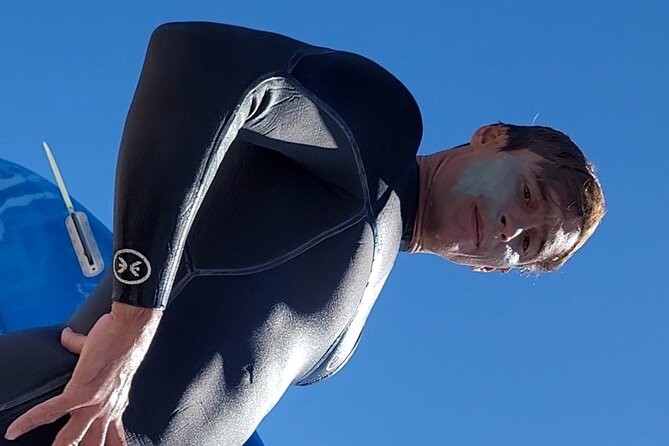
After surfing, you might stop at a local seafood restaurant on the way back. This is one of those small “value adds” that turns the day into a full experience. You’re already wet, hungry, and sun-warmed—so having a ready-to-go place for fish tacos or a casual meal is a relief.
A couple points to keep your expectations clear:
- the restaurant stop is optional
- the meal itself may not be included, so plan for your own spending
Still, it’s a smart way to close the loop: surf first, then food nearby, then back to your hotel or meeting point.
Price and Logistics: Is $120 Worth It?
At $120 per person for an approximately 5-hour private lesson with pickup included, the value depends on two things: how much you’ll appreciate private coaching, and how much you value not wrestling with transport.
Here’s the way I think about the math:
- A private beginner lesson costs more than group classes because you’re buying time, attention, and safer pacing.
- Pickup and drop-off are real money in a coastal resort area, especially if you don’t want to coordinate taxis or rideshare after you’re tired.
- The structure also avoids the most common beginner trap: spending your time traveling and waiting instead of practicing.
For first-timers, you also get a confidence boost. When you learn the wave cues and safety basics, you spend your energy learning instead of panicking. That’s hard to price, but it’s often what people mean when they say they learned more than expected.
If you’re traveling with family, this can be especially good value. When everyone in your group gets individual attention, the experience feels more like a tailored activity than a tour you purchased off a menu.
Who Should Book This Surf Lesson?
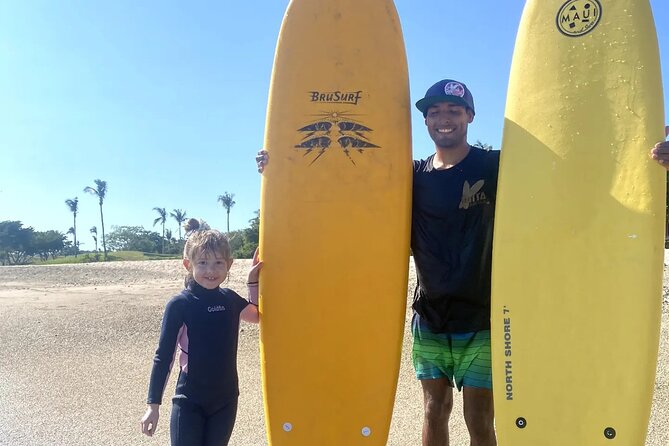
This is a strong fit if you:
- are new to surfing and want safety + basics taught clearly
- care about personalized coaching more than big group energy
- want pickup convenience around Puerto Vallarta
- prefer a half-day activity that still feels like a real skill-building moment
It also works for mixed comfort levels in one group, because the instructor selects the beach based on your skill level and the day’s ocean conditions.
One caution: if you’re bringing someone who won’t surf, ask early about how pickup and space in the car works. There’s an example of a non-surfing parent being treated differently due to car space, so you’ll want clarity before the day of the activity.
Timing, Weather, and the One Thing You Can’t Control
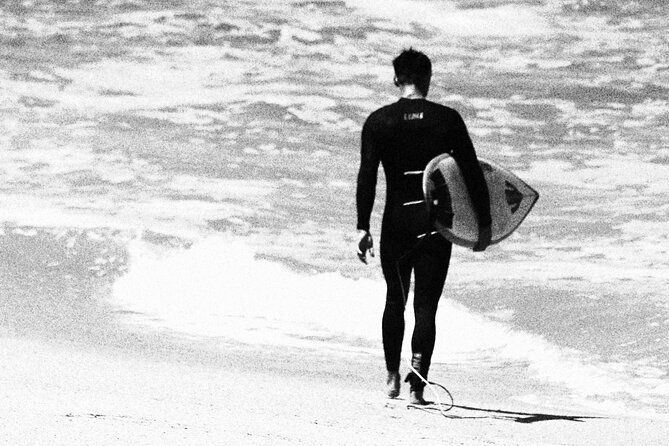
Surf is weather-driven. This experience requires good weather. If it’s canceled due to poor conditions, you’ll be offered a different date or a full refund.
So when should you book? If you’re flexible, pick a day with fewer tight commitments afterward. If you’re planning a busy itinerary, I’d still keep a little slack—surf days can shift based on the ocean.
In terms of planning lead time: this activity is often booked about 16 days in advance on average. That’s a hint to grab your slot once you know your dates.
Quick Tips Before You Go (So You Get More Riding Time)
You’ll have a better lesson if you show up ready for the shoreline and the water.
- Bring swimwear you can move in confidently.
- Wear footwear suitable for rock entry if the beach isn’t sandy.
- Be ready for the instructor to choose the best beach that day, even if it’s not your first guess.
- If you’re sensitive about rolling timing or water entry, tell the instructor right away. The whole point is customizing your experience.
And mentally: expect a learning curve. Even when you catch a wave quickly, the timing and pop-up will still need practice. The 2-hour water window is long enough to feel progress, not just collect wipeouts.
Should You Book This Vallarta Surf Lesson?
I think you should book it if you want a private, structured beginner experience with pickup included and a teacher who explains what matters in the wave. The biggest reasons to choose this one are practical: the beach choice based on conditions, the private attention, and the fact that you get real time in the water after the basics.
Don’t book it blindly if:
- you have limited tolerance for rocky beach entries (or you don’t plan for safe footwear)
- your schedule is so tight that a weather-based change would throw off your whole day
- you’re bringing non-surfing companions and haven’t confirmed how transport works for them
If those are manageable, this is a solid way to get on a board in Puerto Vallarta and come away understanding not just how to stand, but how to read waves.
FAQ
How long is the Vallarta surf lesson?
It runs about 5 hours total.
How much time will I spend in the water?
You should expect around 2 hours in the water after the technique explanation.
Is this lesson private?
Yes. It’s a private activity, and only your group participates.
What’s included with the price?
The experience includes a half-day private surf lesson with pickup and drop-off from the Puerto Vallarta area.
Do they pick the beach for you?
Yes. The instructor selects the best beach depending on ocean conditions and your skill level.
Is pickup included, and can I choose where to meet?
Pickup is included, and the pick-up and drop-off can be customized to your preferred location.
What language is the lesson in?
The instruction is offered in English.
Is there food included?
There’s an optional stop at a local seafood restaurant on the way back, but meals are not stated as included.
What’s the cancellation policy?
You can cancel for a full refund up to 24 hours before the experience’s start time. If poor weather cancels the activity, you’ll be offered a different date or a full refund.
What happens if I’m not advanced?
Most people can participate, and the instructor teaches surf safety and basics, with the beach chosen to match your skill level.